When yesterday, on Clean Monday, we opened the gates of Great Lent, we in truth opened the gates of our own soul. Today, on the second day of the Fast, that opening deepens. For one day of abstinence is only a beginning, but two days are already a step upon the way. And the way requires perseverance, courage, and above all, spiritual vigilance.
“Beginning the second day of the saving Fast, we cry unto Thee, O Lord: Pierce our hearts with compunction,” sings the Holy Triodion at Matins. Pierce them – not to wound unto death, but to open them. For a closed heart can neither receive mercy nor give love. Compunction, that holy brokenness of soul, is the gift we seek in these days: that we may not remain stone, but become soil that receives the seed and bears fruit.
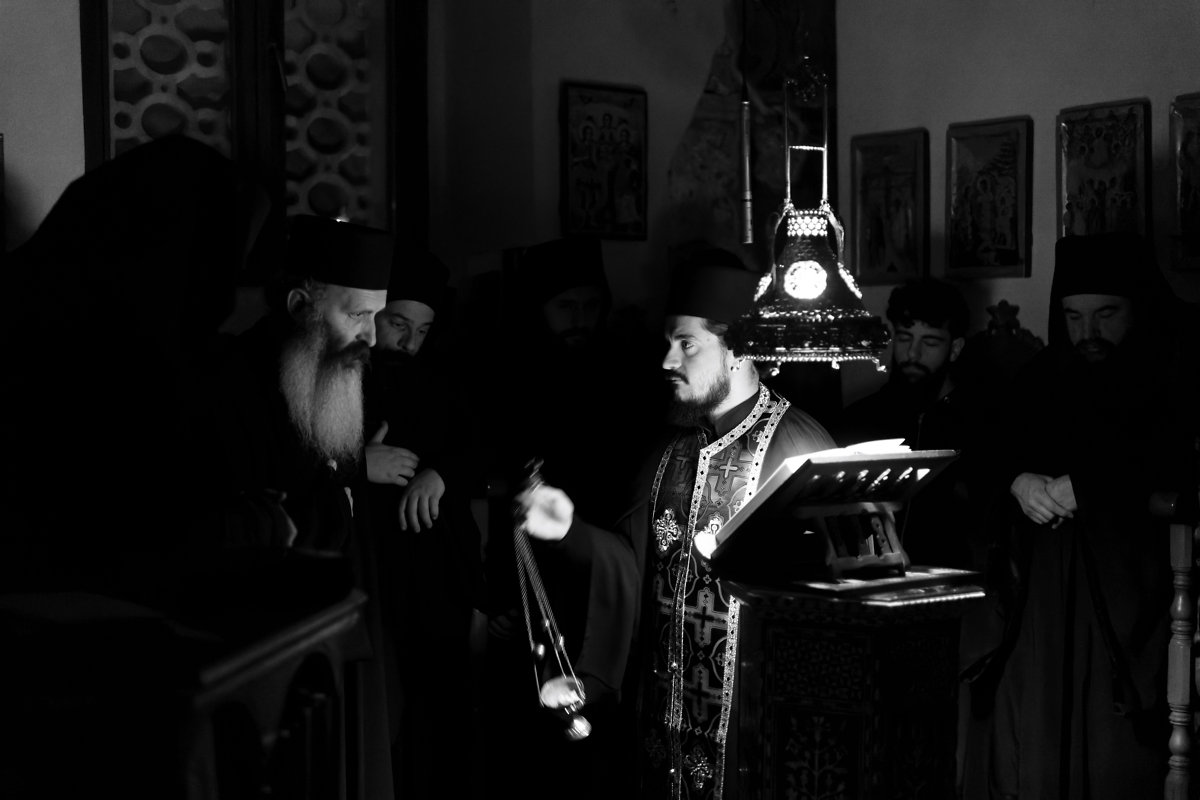
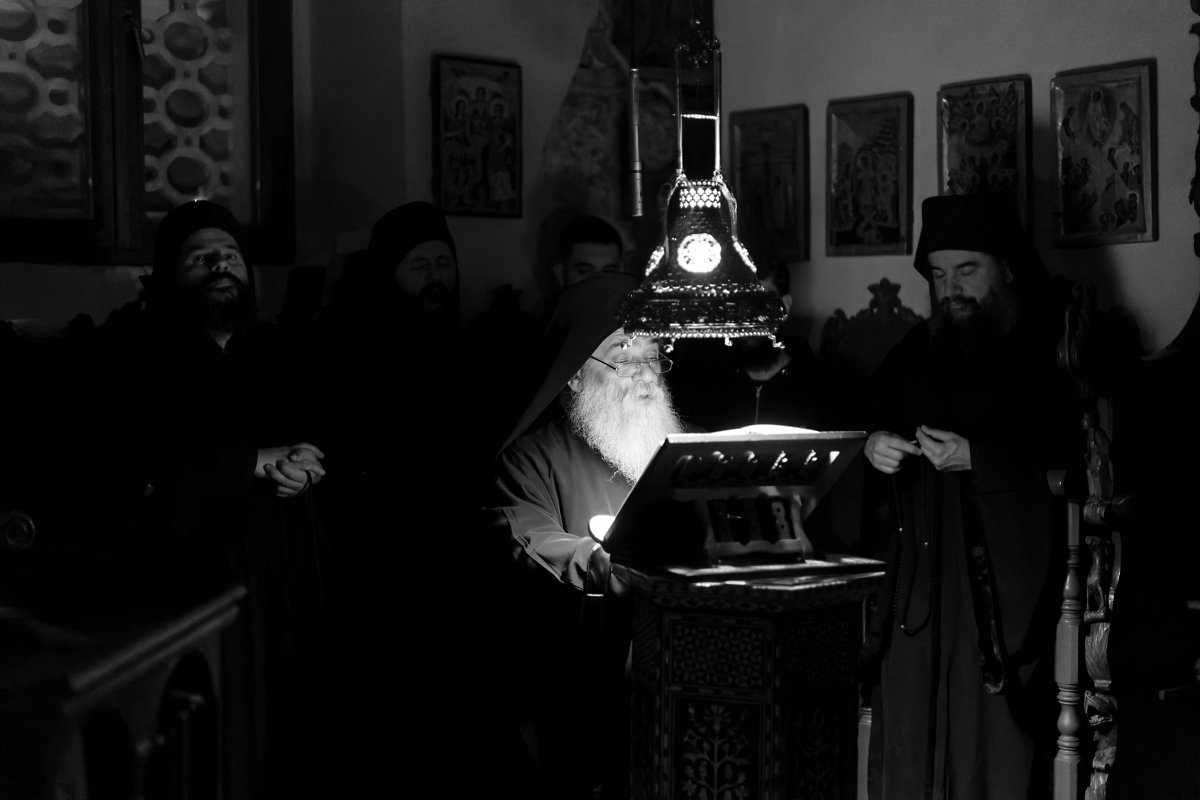
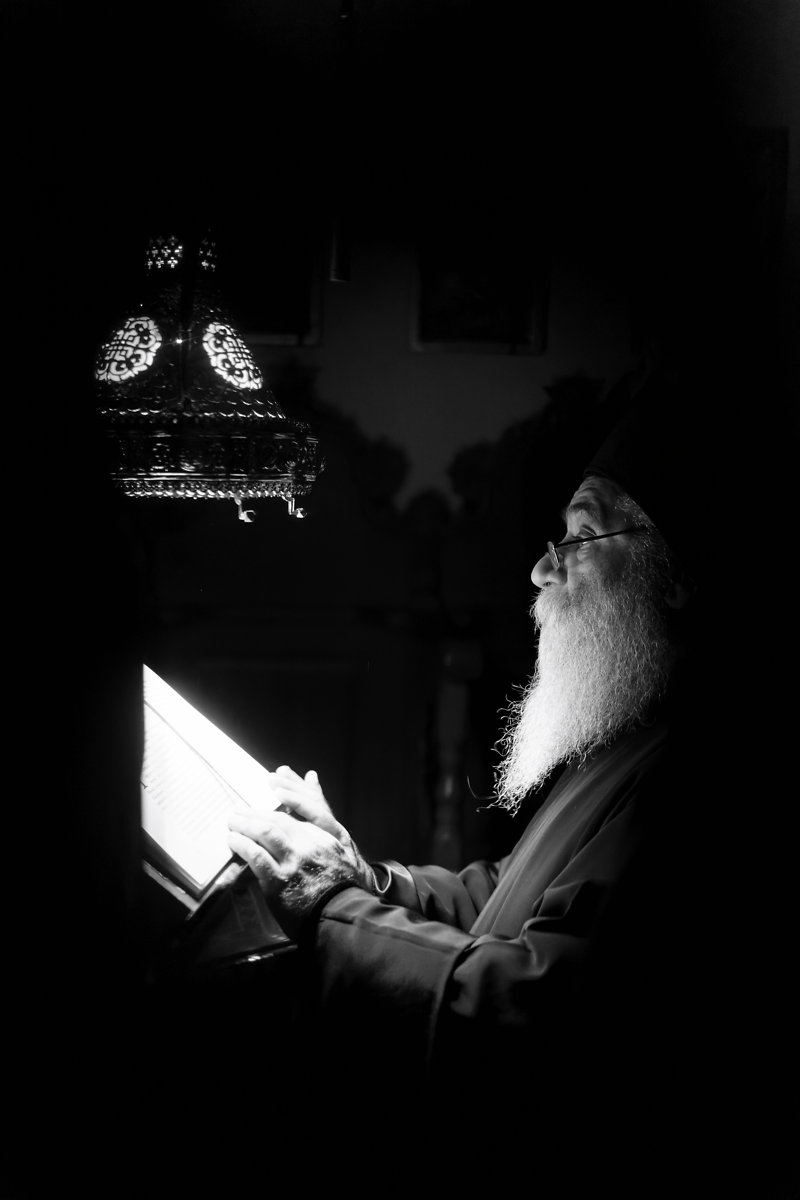
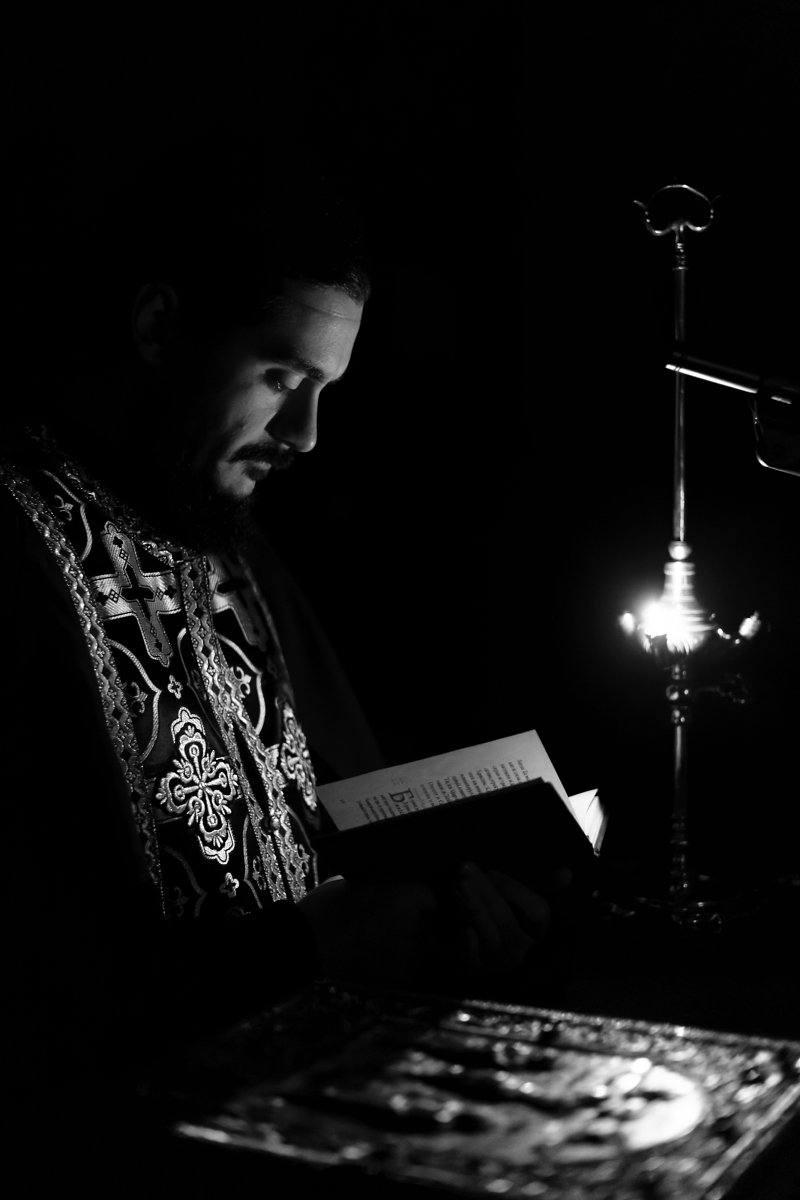
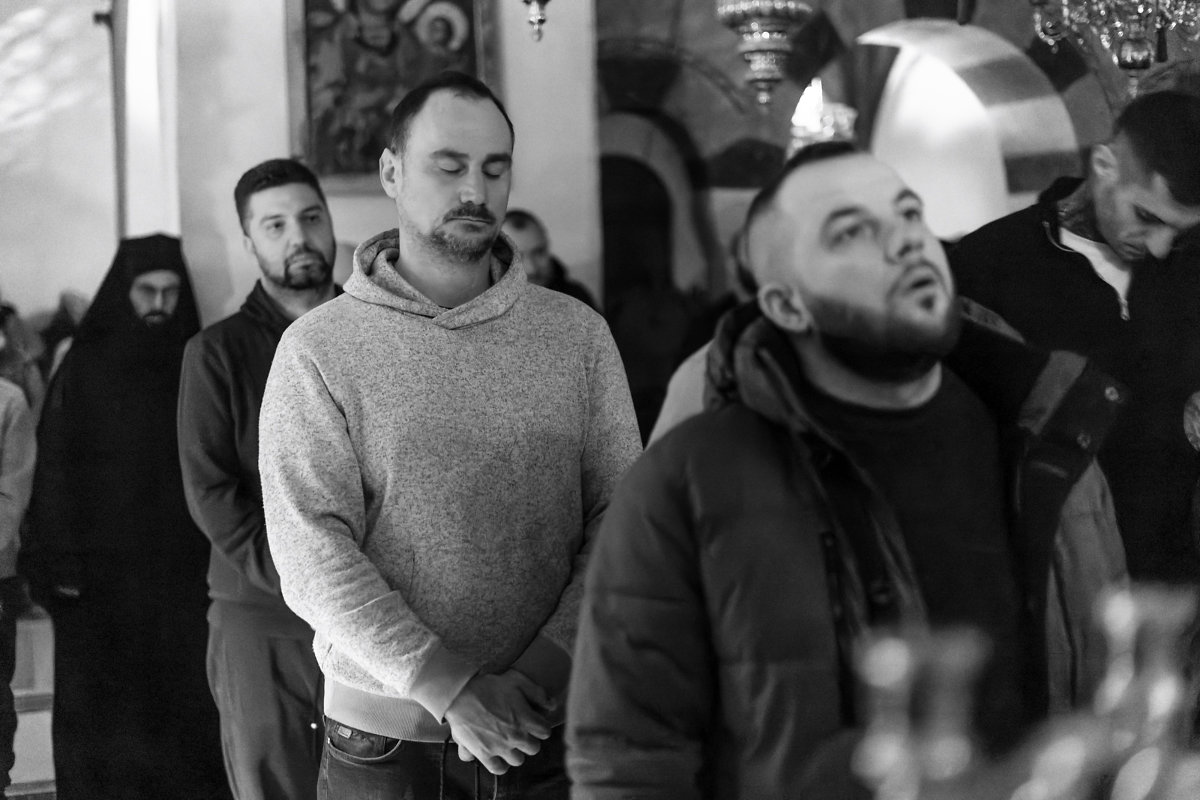
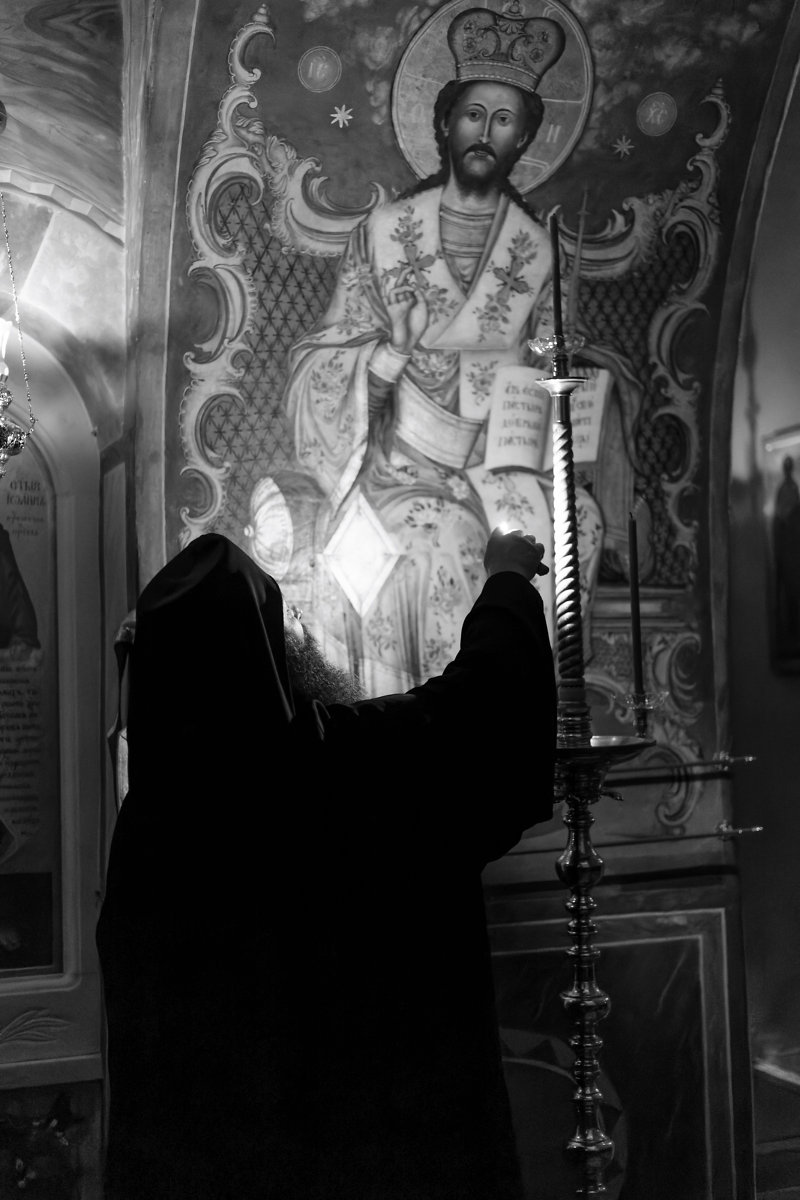
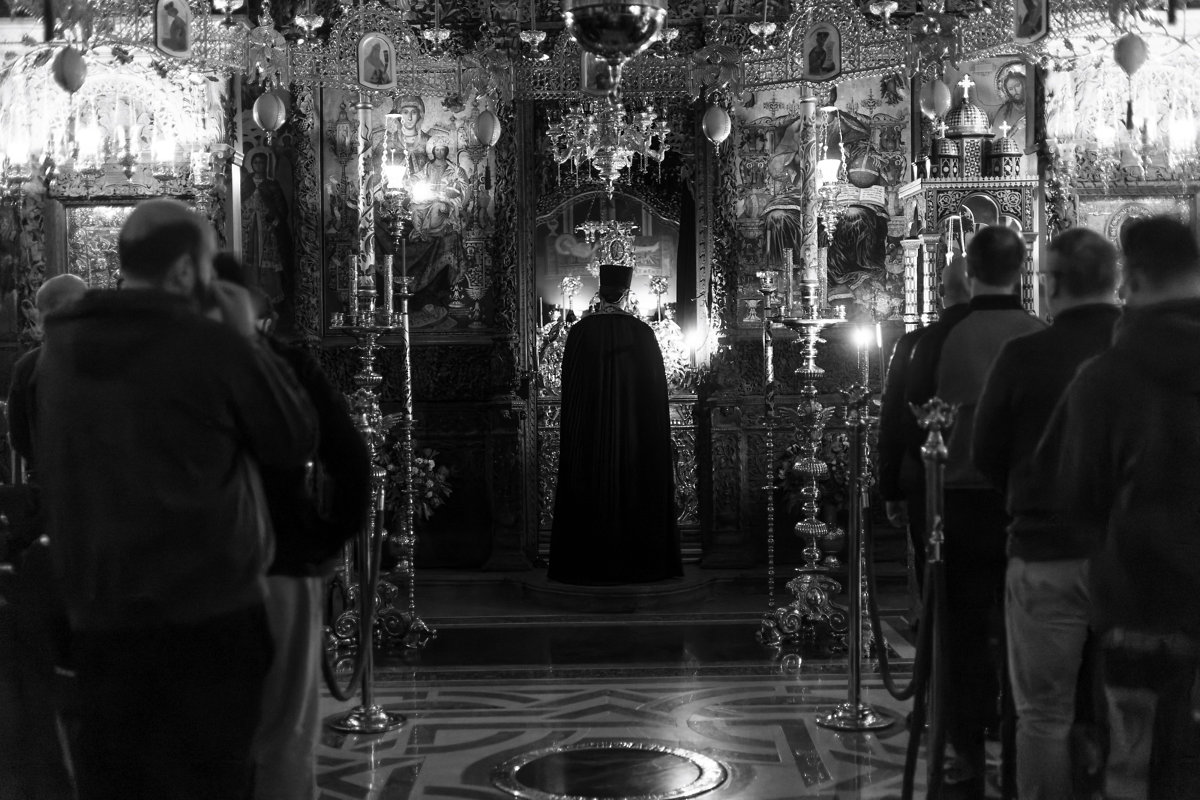
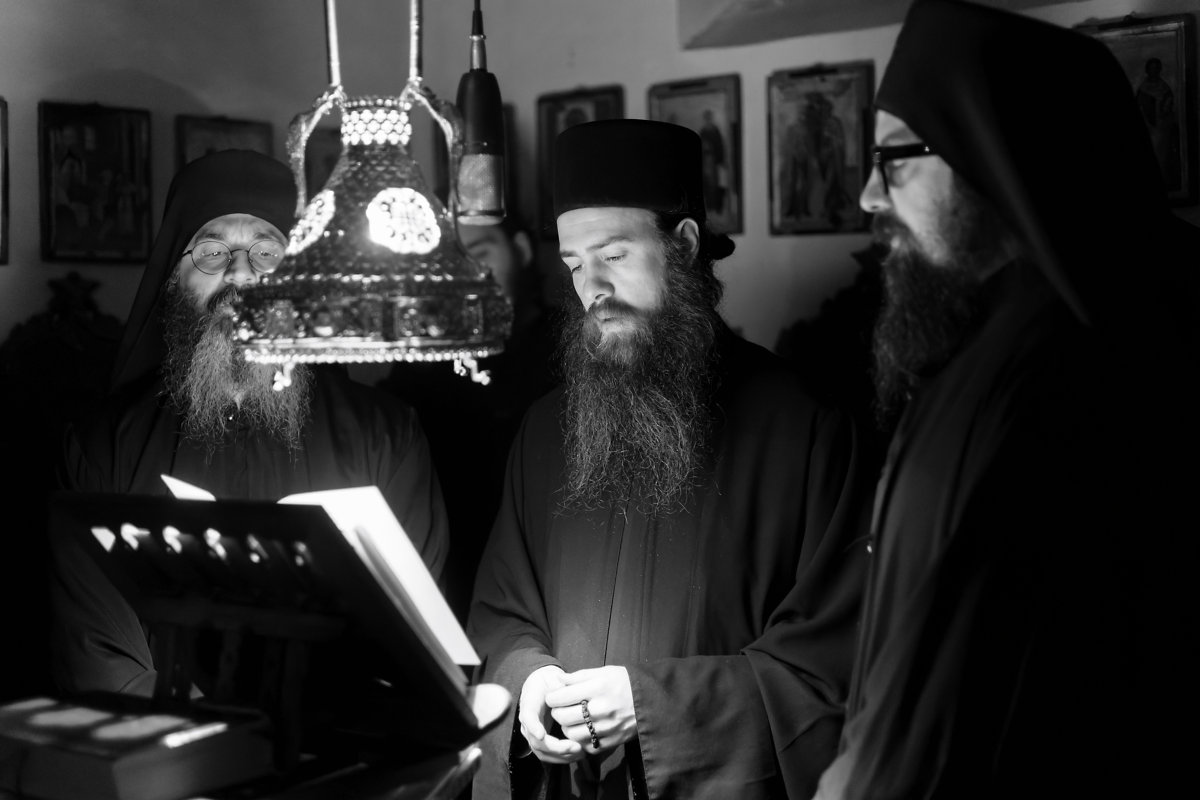
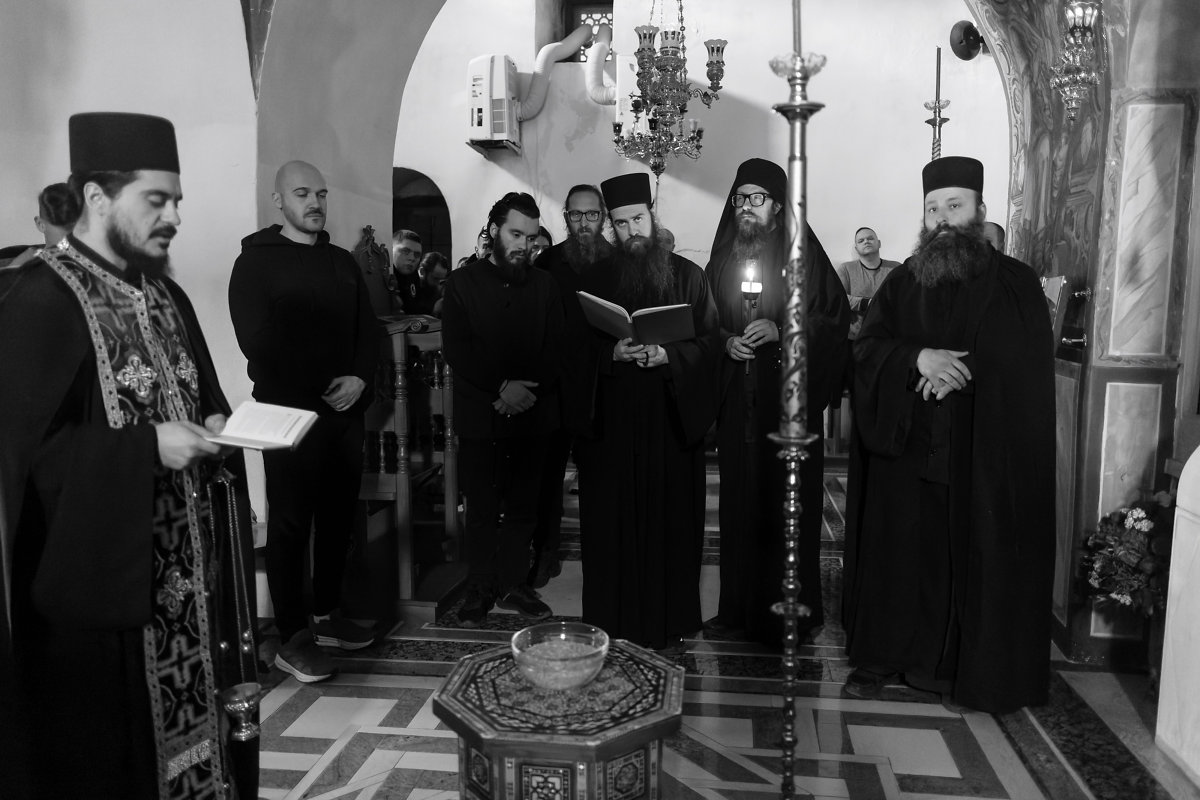
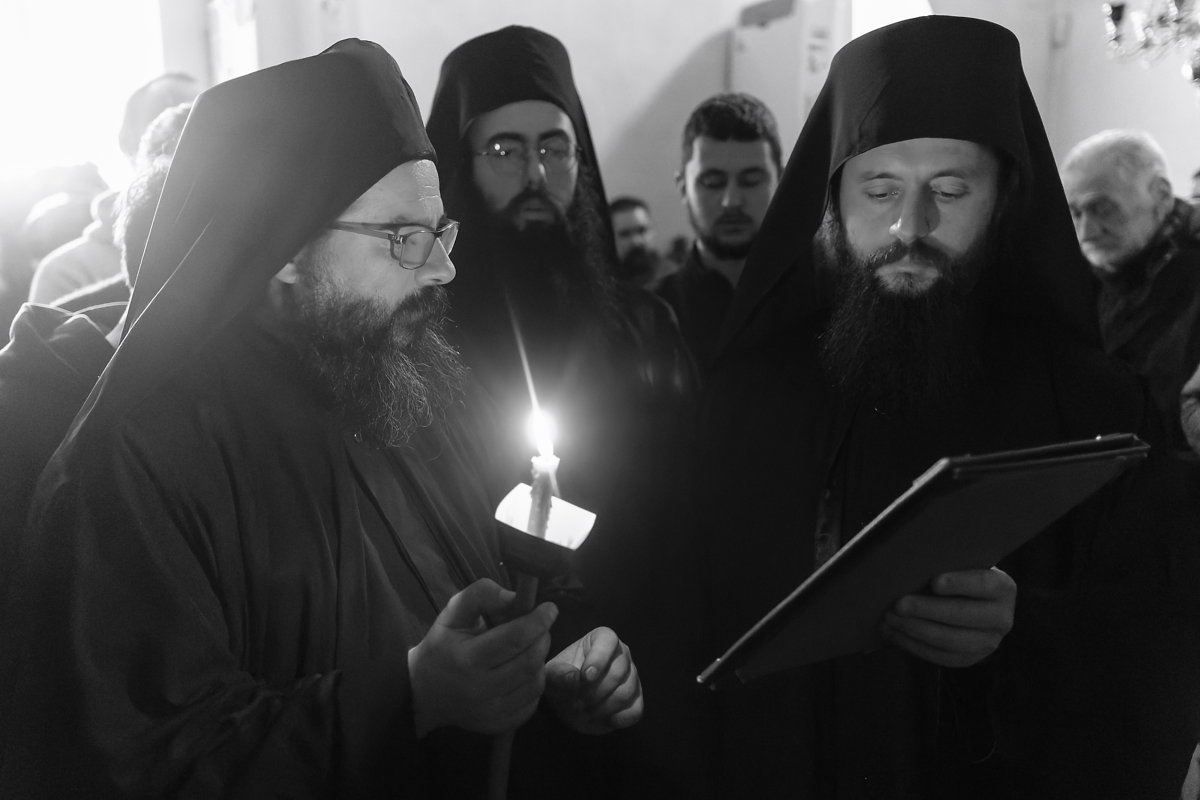
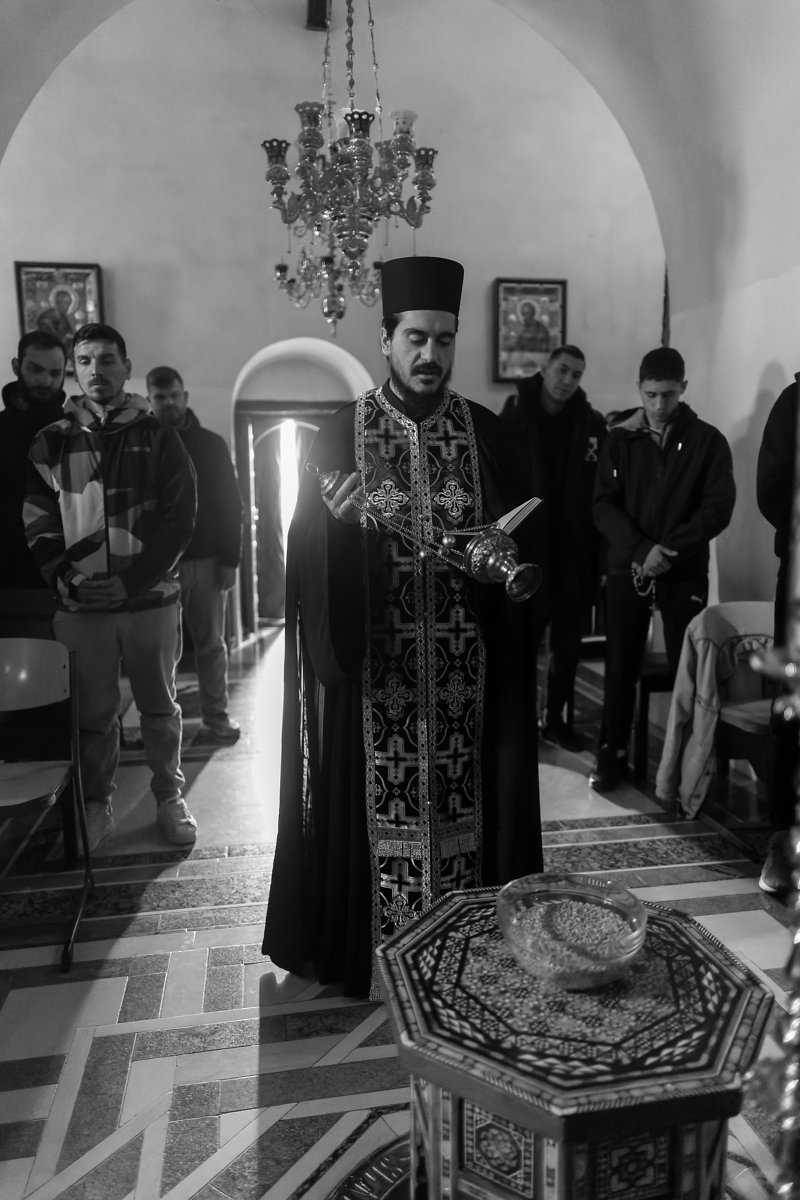
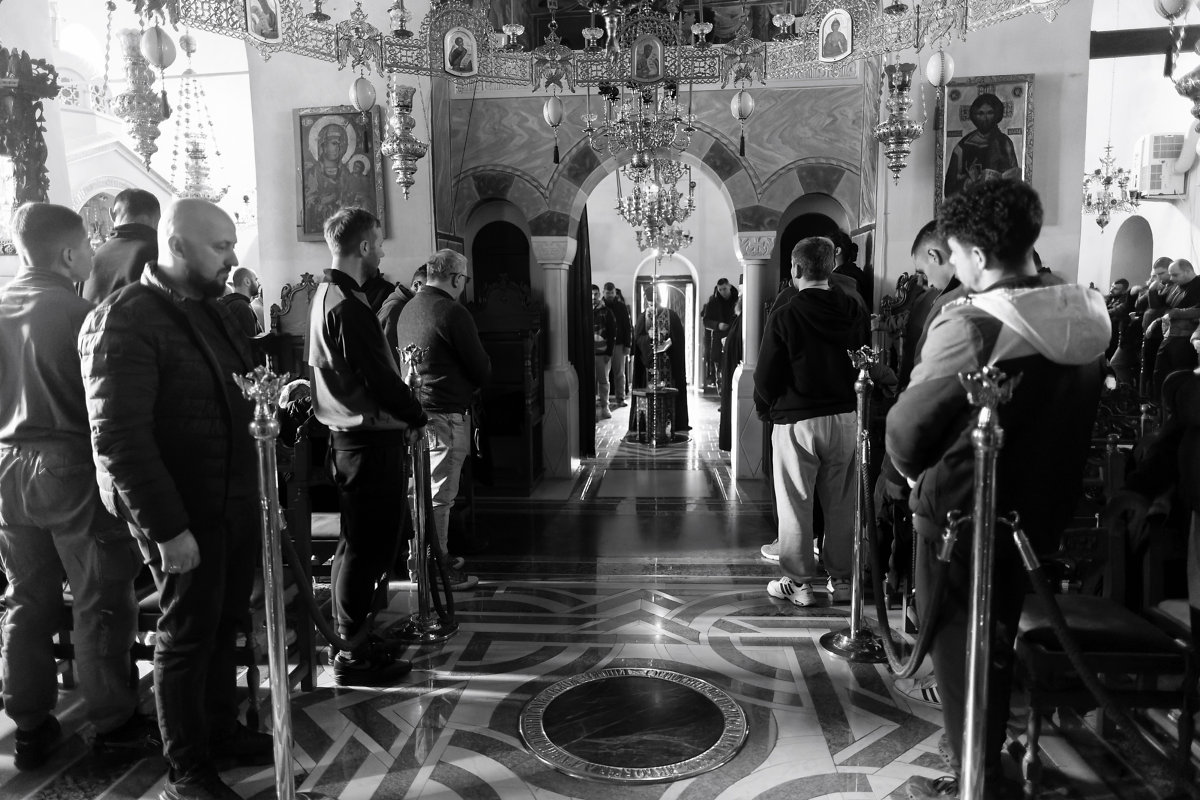
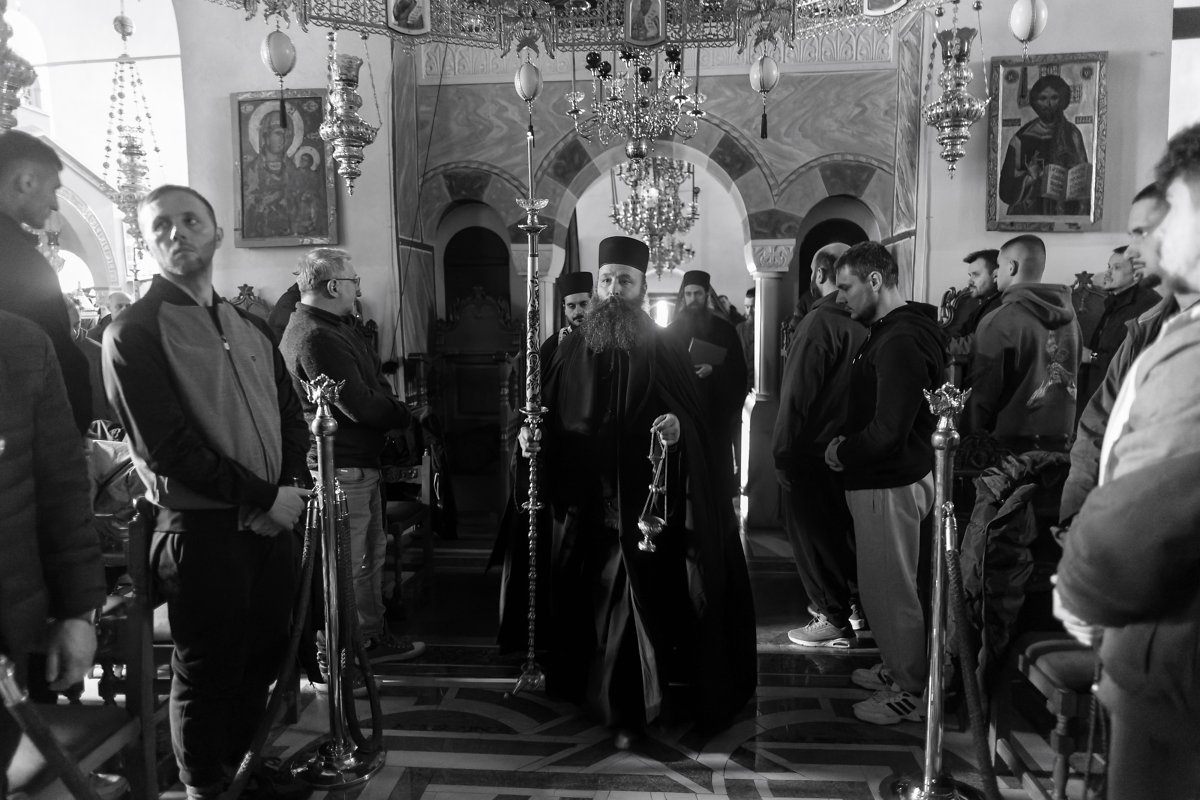
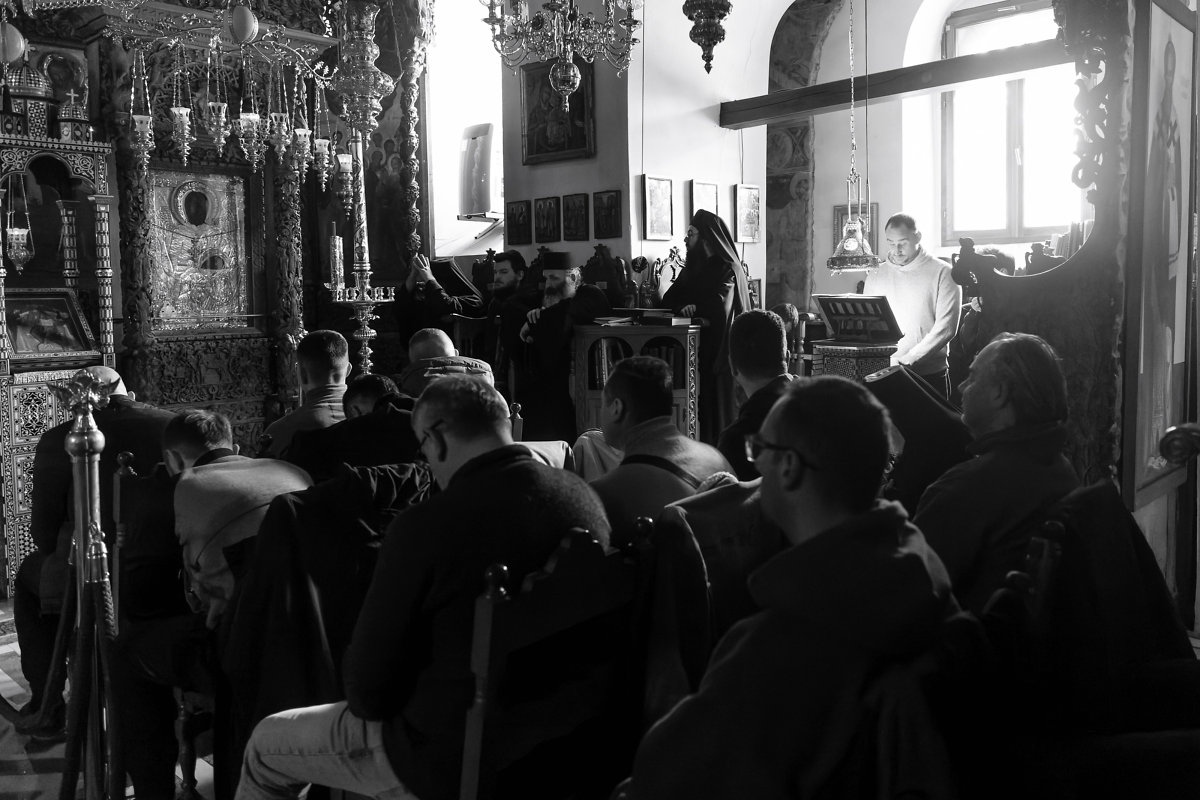
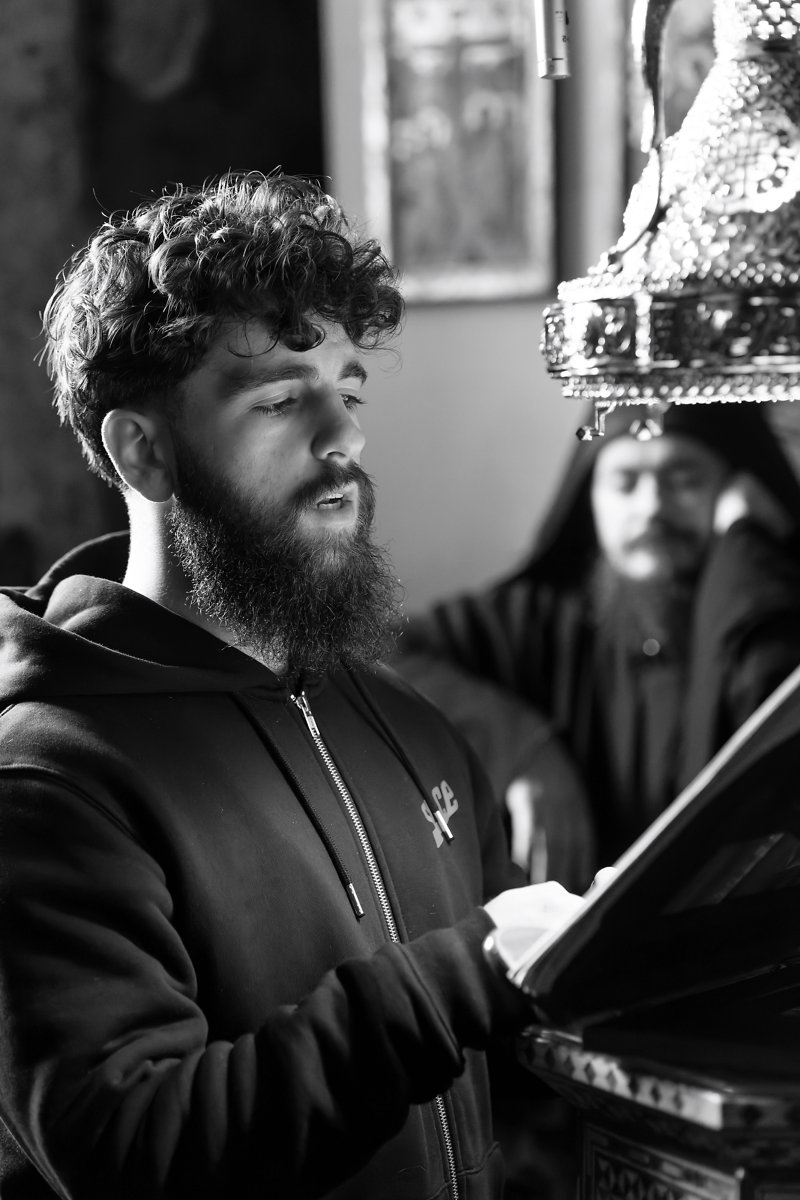
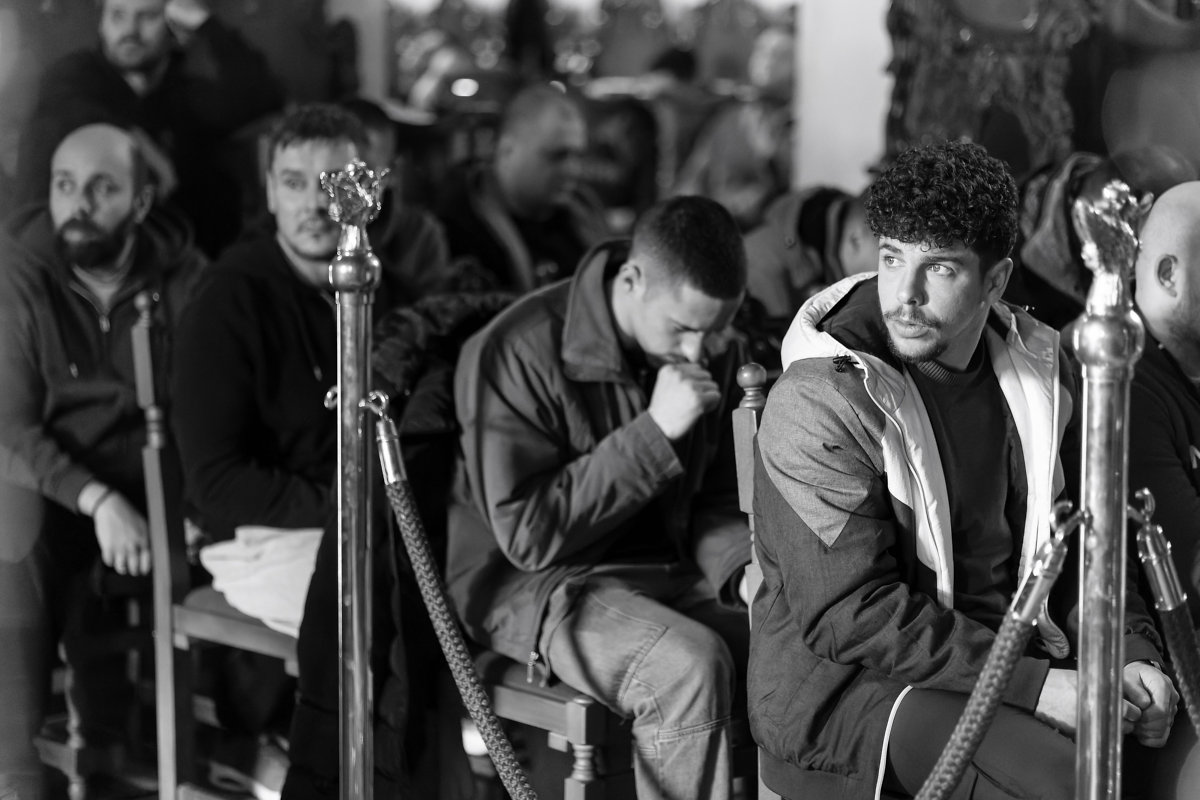
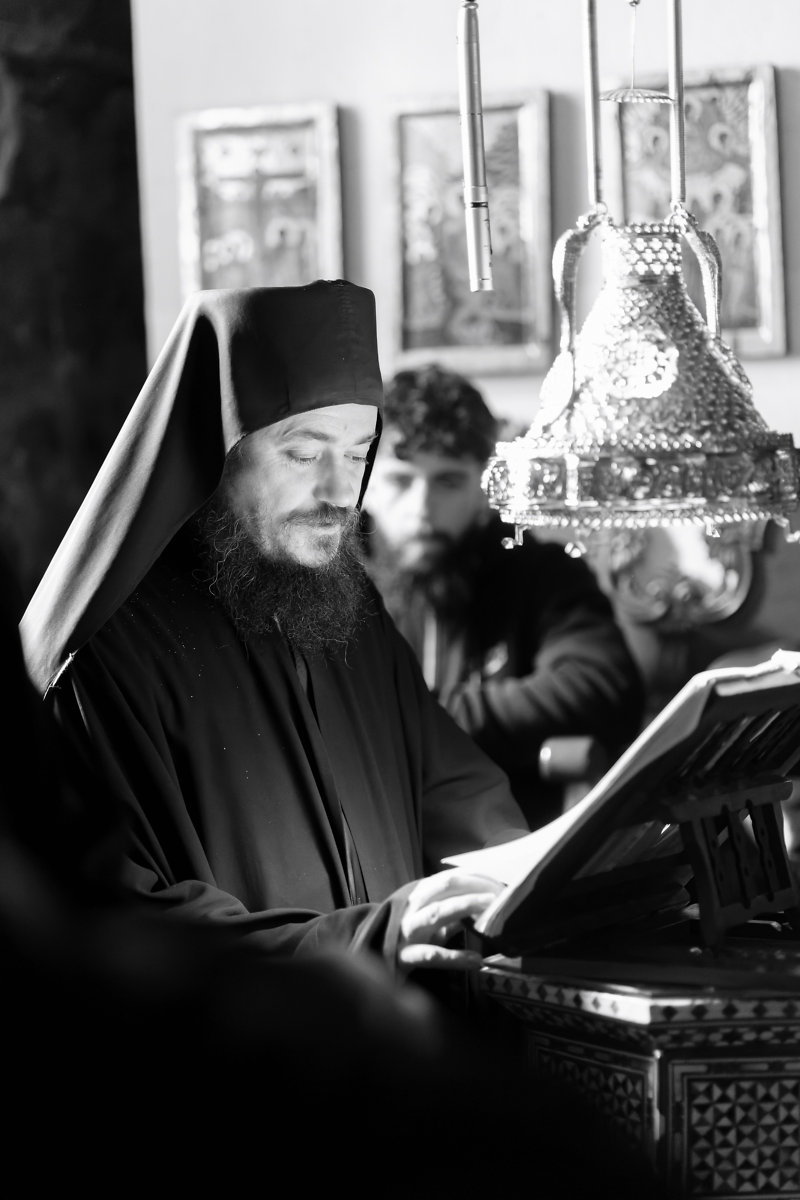
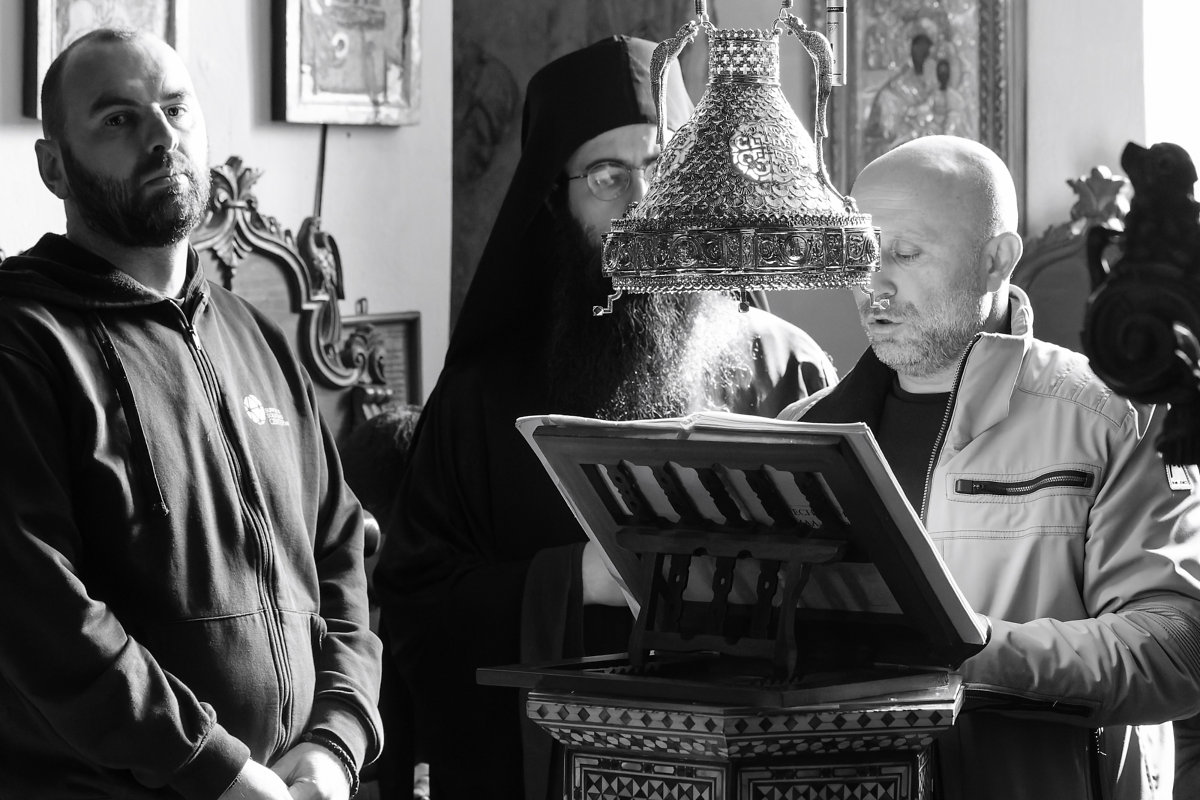
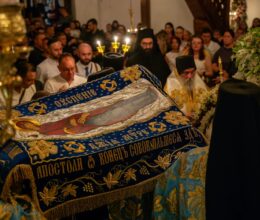
In the sanctuary of Bigorski Monastery, this second day of fasting unfolds in the same silence, in the same strict tenderness as the first. The monastery, filled with those who fast, breathes in one penitential rhythm. There is neither food nor drink, neither idle speech – but theology and prayer.
The Triode at Matins calls us beyond mere ascetical endurance; it calls us to contemplation:
“With the fast let us ascend the mountain of the virtues;
let us cast away the low delights of the senses.
Let us enter into the depths of holy contemplation,
beholding Christ our Beloved in His beauty;
and through divine exaltations let us be deified in mystery.”
What a majestic image! Fasting is not only a struggle against the passions; it is an ascent of Sinai, an entrance into the sacred darkness where God reveals Himself, a beholding of Christ “in His beauty.” And that vision is the goal. It is Pascha before Pascha.
At Vespers, the stichera reveal the essence of the true Fast:
“Let us fast not only by abstaining from food,
but by estranging ourselves from every bodily passion;
that we may be made worthy to partake of the Lamb,
the Son of God, Who was slain of His own will for the world.”
The Fast, then, is not a diet but a transfiguration. It is not the renunciation of food for bodily health, but the liberation of the soul from all that weighs it down, that it may take wing.
And still more deeply, the hymnographer recalls Paradise:
“Since through eating we were once cast out of Eden,
let us hasten to enter it again
by abstaining from the passions.”
The whole Fast is a return to Paradise. Every day of abstinence is a step toward the lost home. Every prayer is a knocking at the gate of Eden.
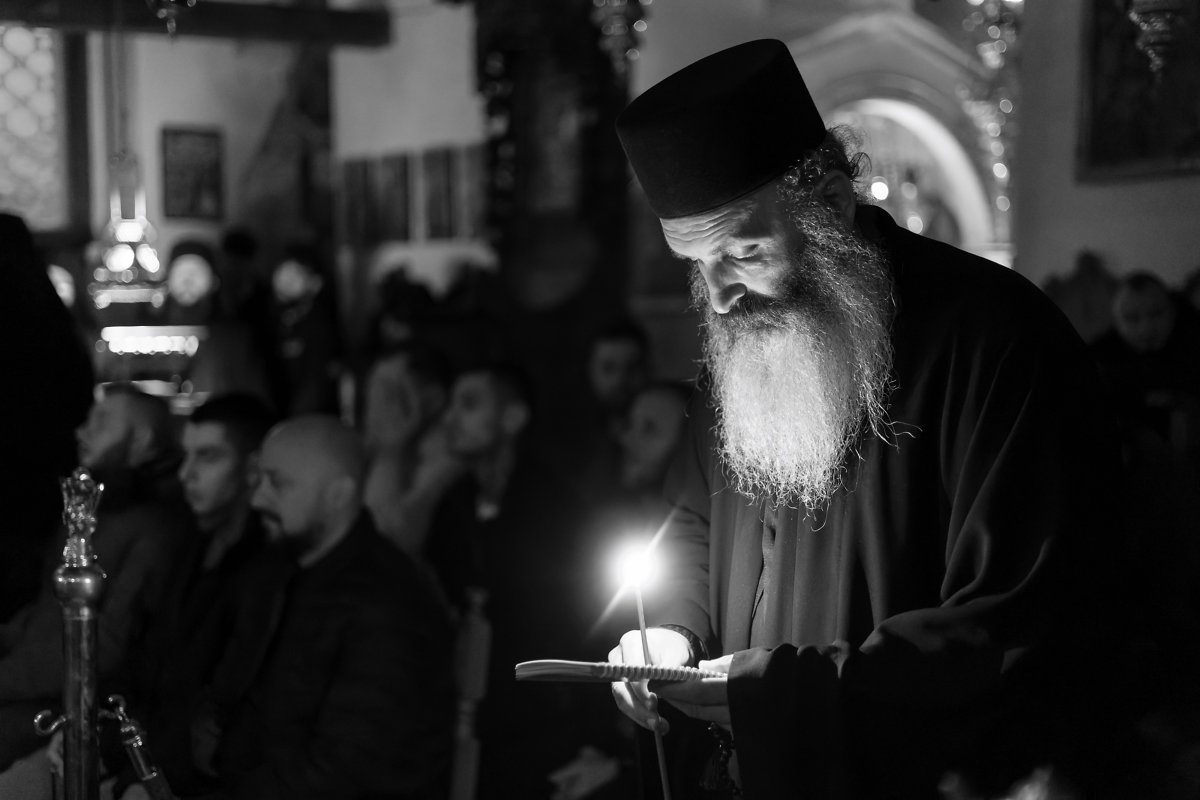
At Great Compline, from the fatherly heart of our Elder, once again resounded the Great Canon of Saint Andrew of Crete, now in its second portion. The Saint leads us deeper into the biblical history of the fall and repentance. Sin stripped man of the garment woven for him by God and clothed him in garments of skin.
“I am clothed with the garment of shame,
as with fig leaves,
in condemnation of my self-willed passions.”
And each of us, hearing these words in the half-light of the church, recognizes his own nakedness – not bodily, but spiritual: the nakedness of a soul that has forgotten Whom it bears within.
Yet amid this cry of repentance, the Canon also reveals hope:
“Though I have sinned, O Saviour,
yet I know that Thou lovest mankind.
Thou dost chastise with mercy and art fervent in compassion.
Thou seest me weeping and dost run to meet me,
like the Father calling back the Prodigal Son.”
What consolation! God does not wait for us to become perfect in order to receive us. He runs toward us while we are still weeping upon the road.
The kontakion of the Canon awakens us with a voice at once sharp and tender:
“My soul, my soul, arise! Why sleepest thou?
The end is drawing near, and thou shalt be confounded.
Awake then, that Christ God may spare thee,
He Who is everywhere present and fillest all things.”
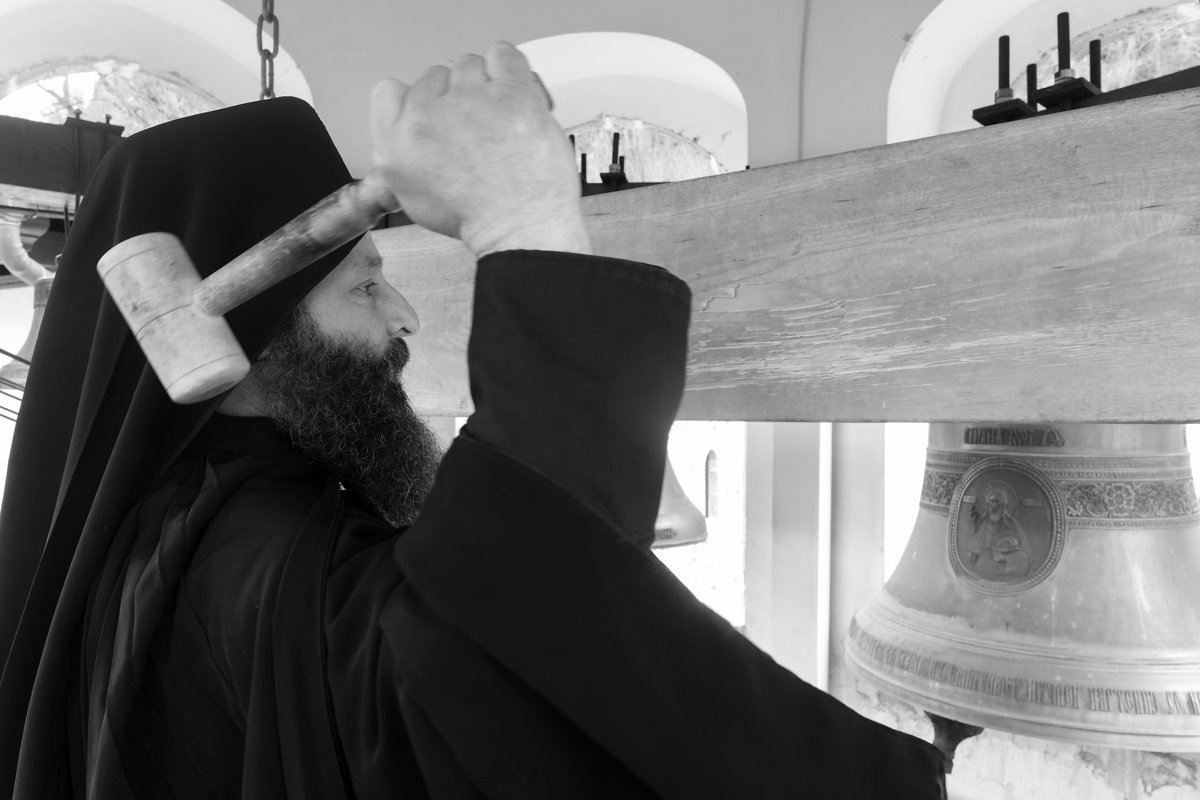
This call – “Arise, why sleepest thou?” – resounds throughout Great Lent like a bell for the slumbering conscience. Not tomorrow. Not later. Now. Today. In this very moment.
And in the midst of all – the Prayer of Saint Ephraim the Syrian, repeated with prostrations, like the beating of the heart upon the earth:
“O Lord and Master of my life,
take from me the spirit of sloth, despair, lust of power and idle talk;
but give rather the spirit of chastity, humility, patience and love
to me Thy servant.
Yea, O Lord and King, grant me to see my own transgressions
and not to judge my brother,
for Thou art blessed unto the ages of ages. Amen.”
This prayer is the backbone of Great Lent. In it is everything: the diagnosis of our illness and the remedy. For when a man sees his own sin and not that of his brother, then true healing begins.
May this second day of the Fast make us more vigilant than yesterday. And may tomorrow find us with hearts pierced by compunction, with eyes fixed upon Christ, with lips silent toward empty words and opened only for prayer and doxology.
For the Fast has only just begun.
And the Resurrection awaits us.