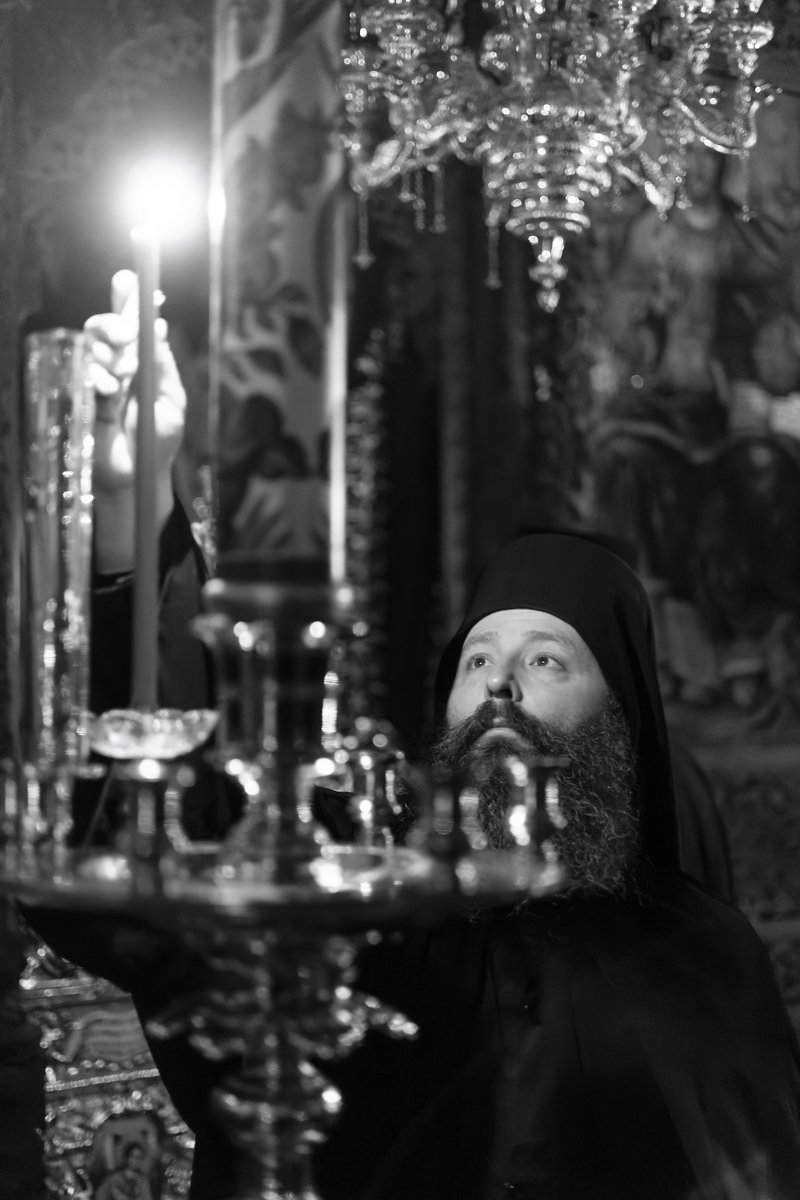
Today, when the wooden semantron of Bigorski sent forth its call through the forest stillness of Mount Bistra, it did not merely announce the dawn of a new day. It proclaimed the beginning of a new life. For Clean Monday is no ordinary day; it is a holy threshold, a hidden passage, the soul’s first step toward the Resurrection.
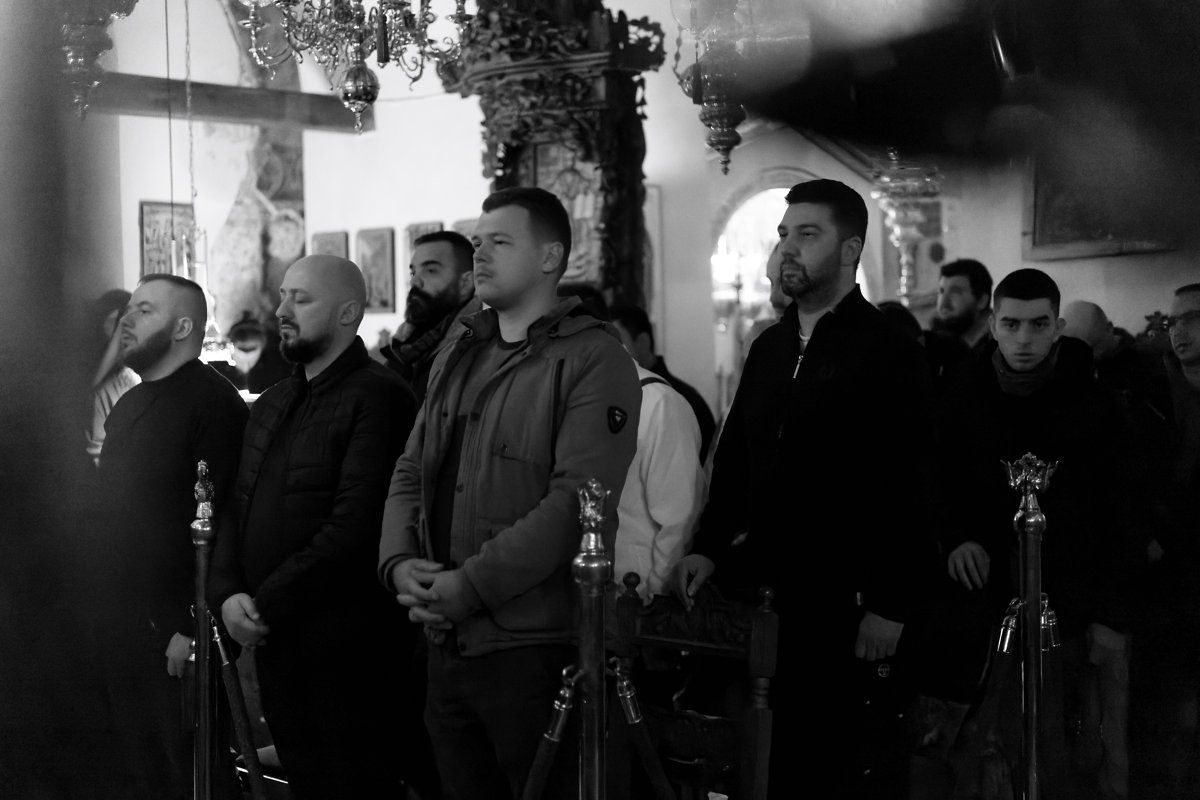
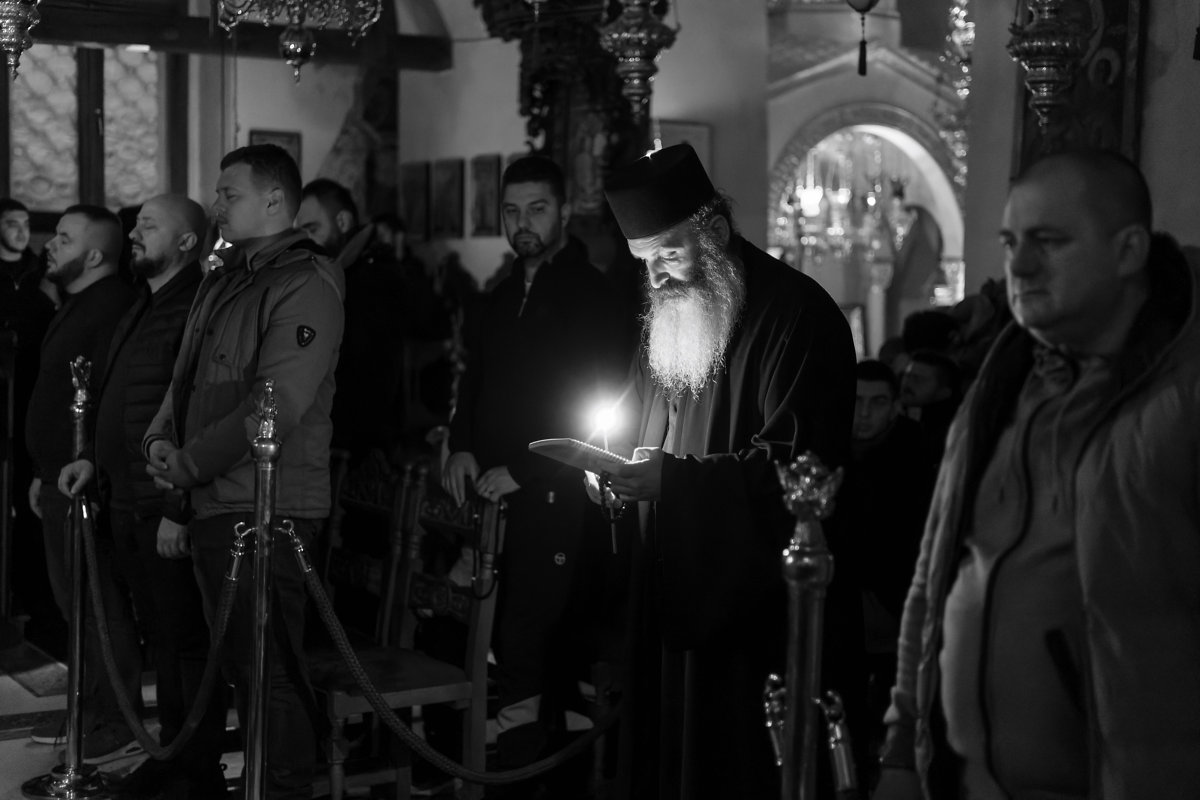
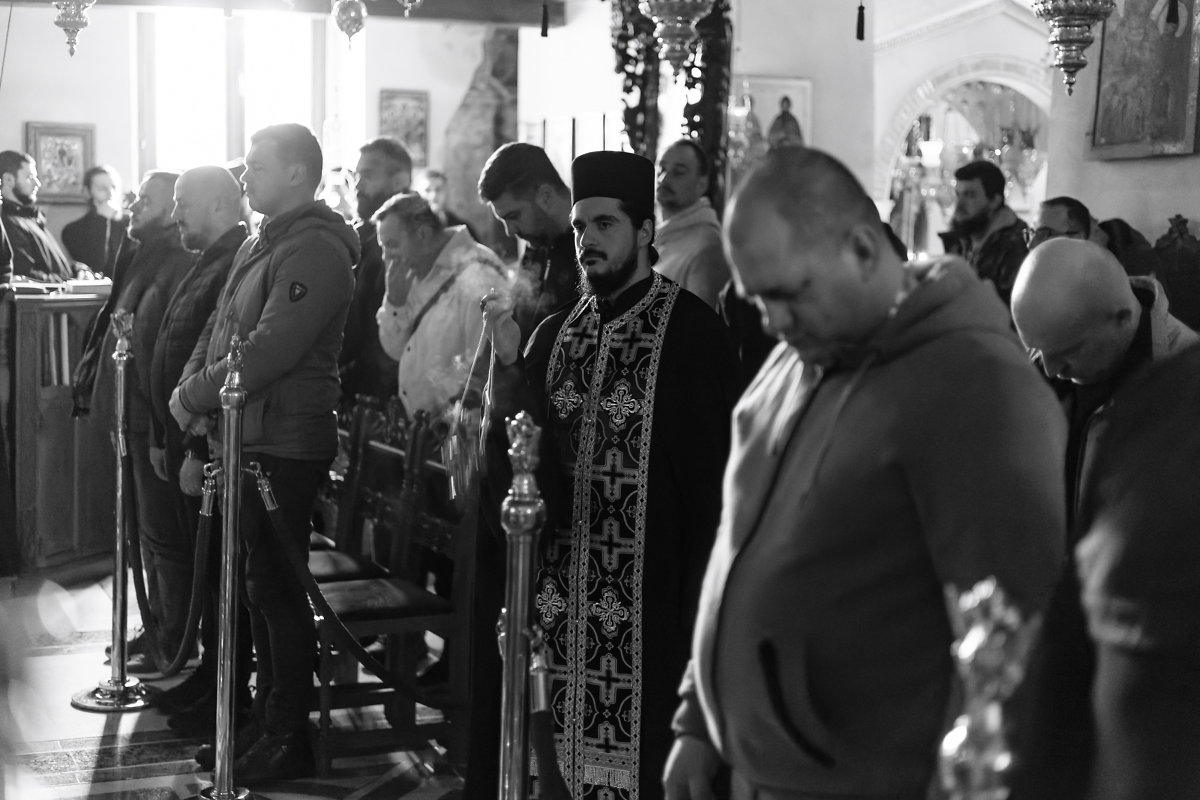
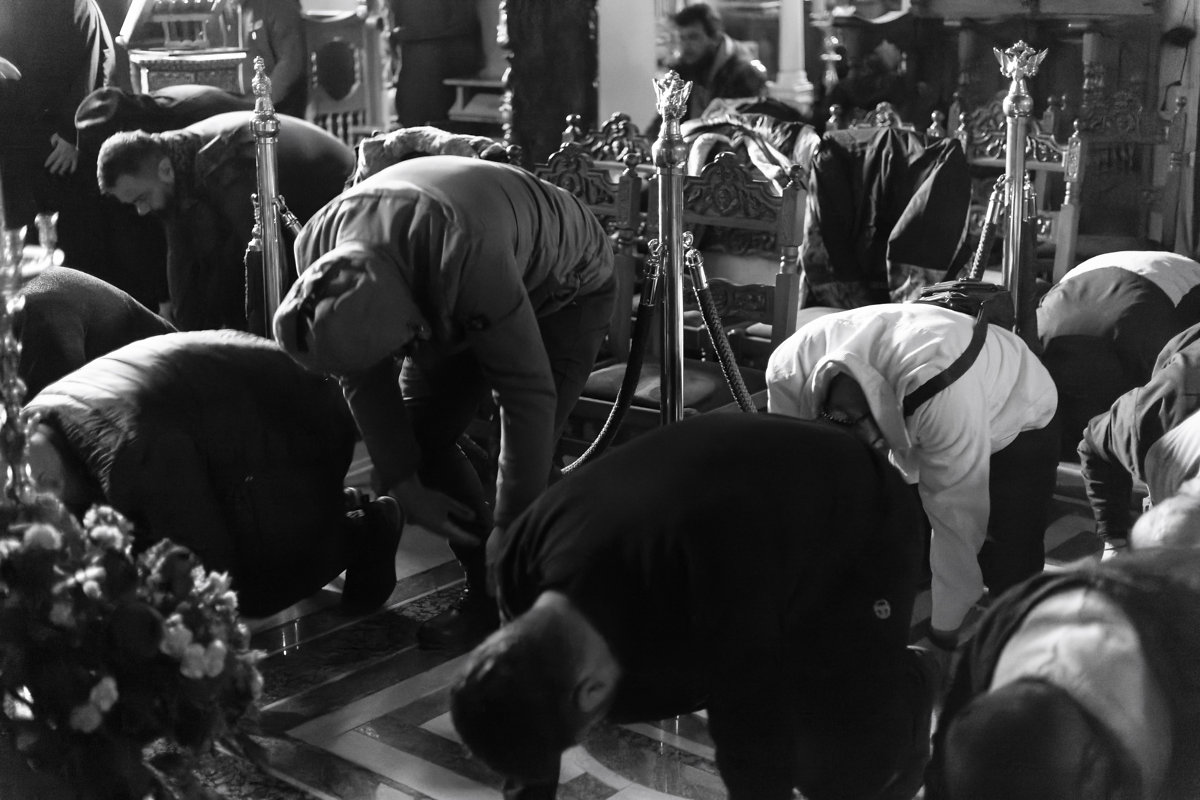
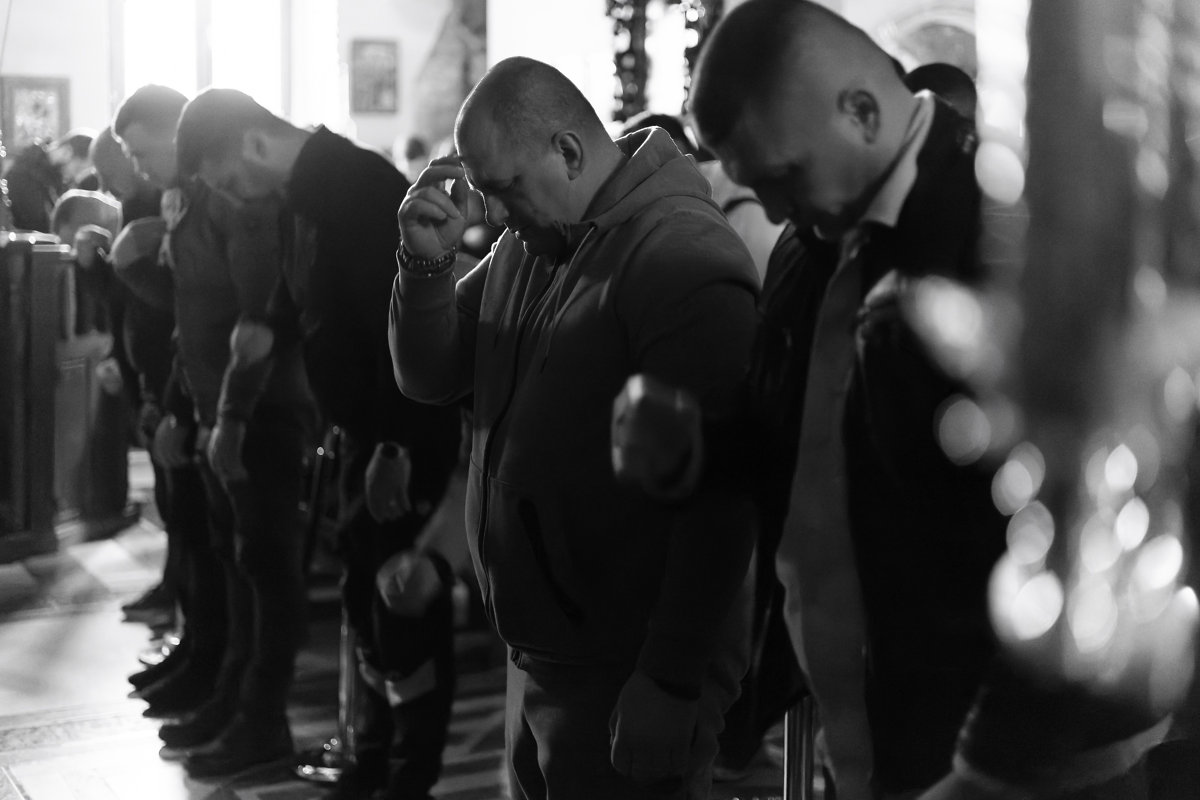
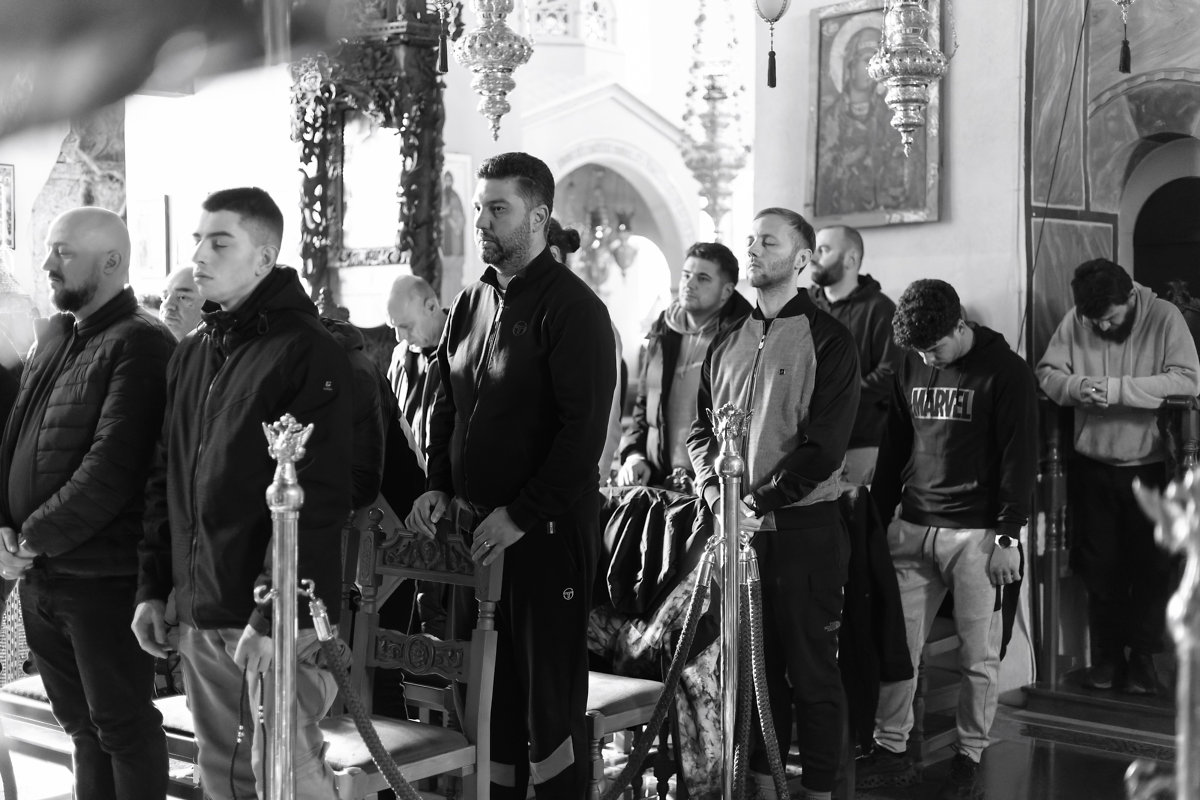
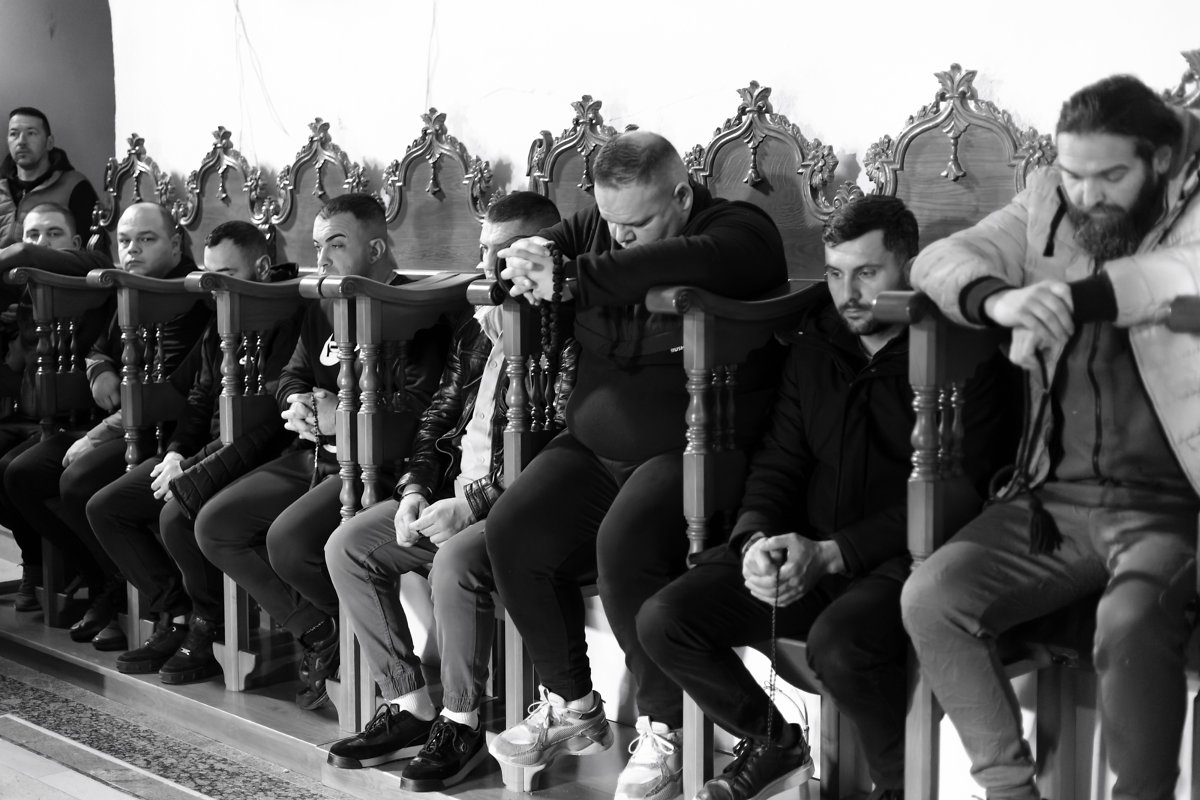
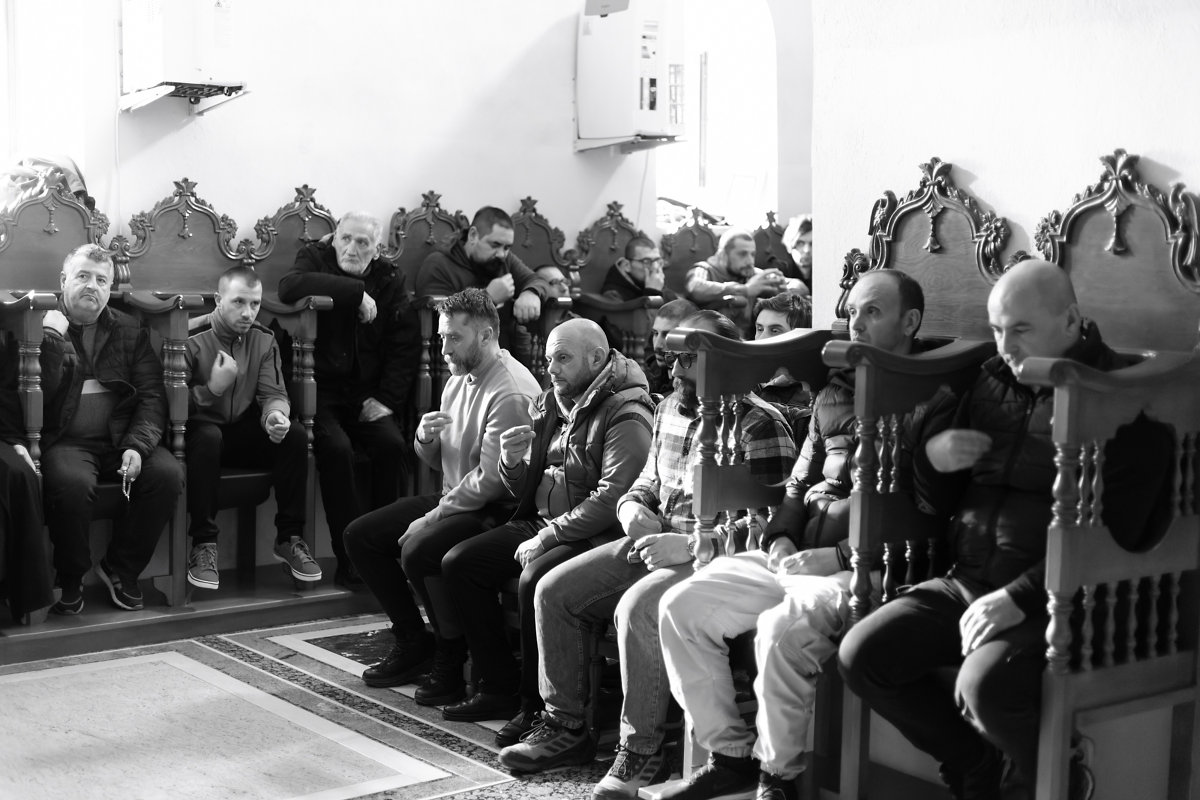
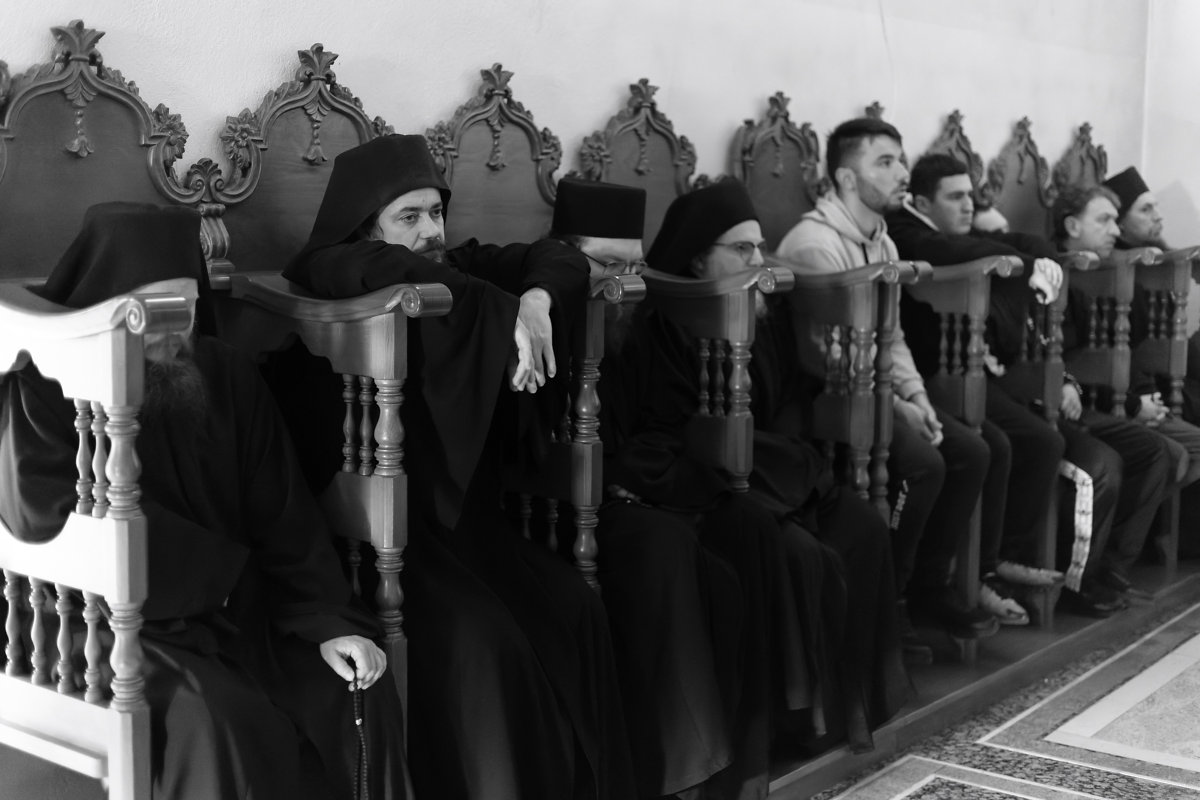
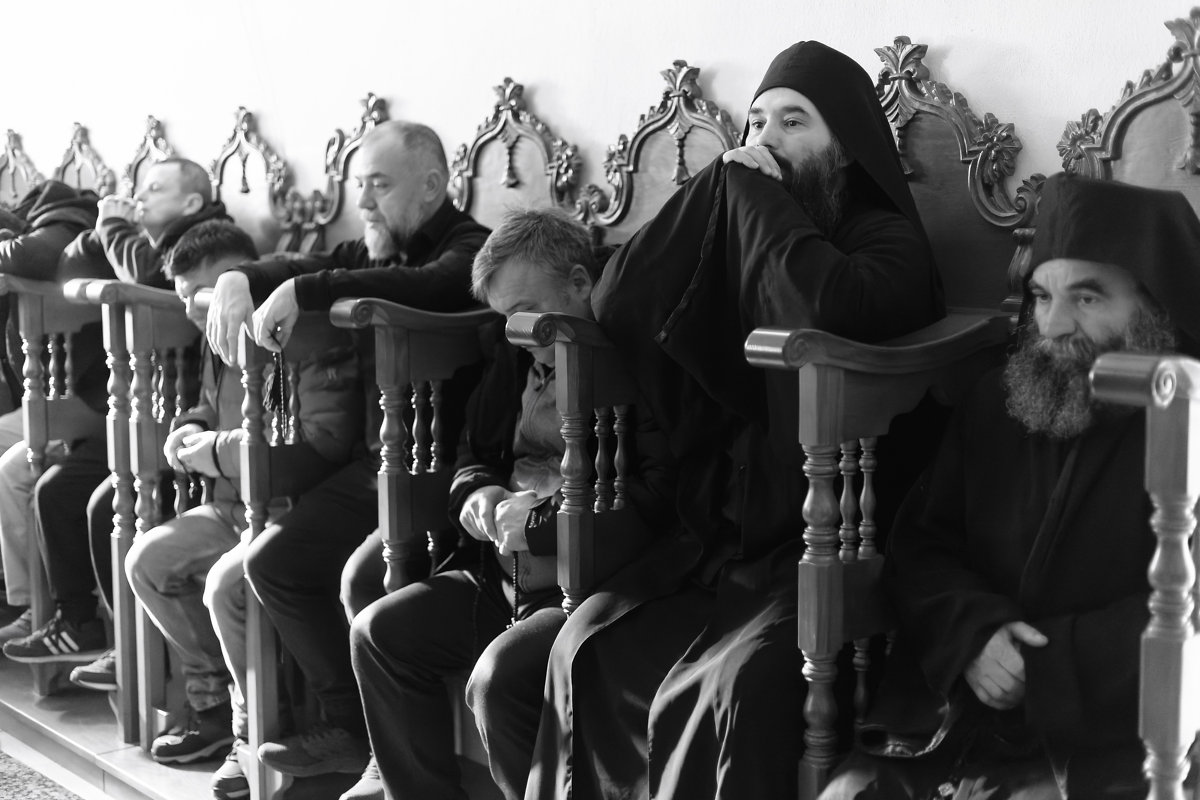
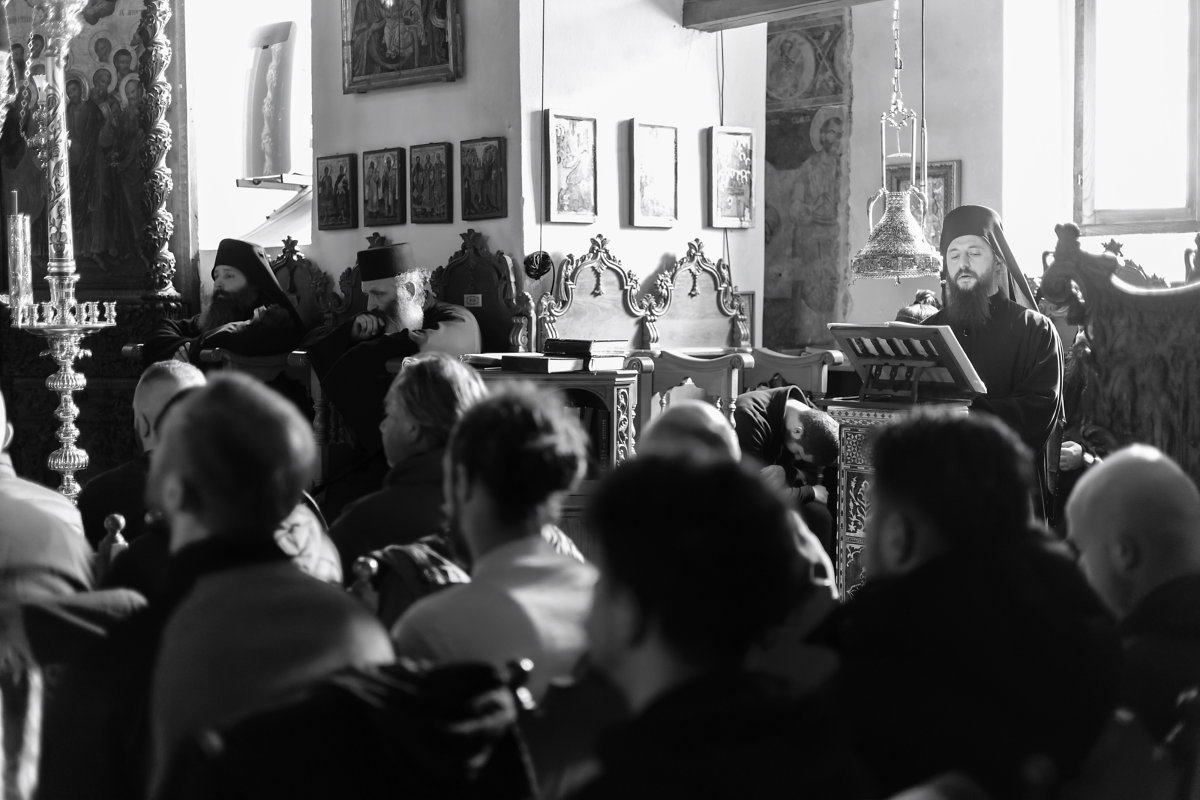
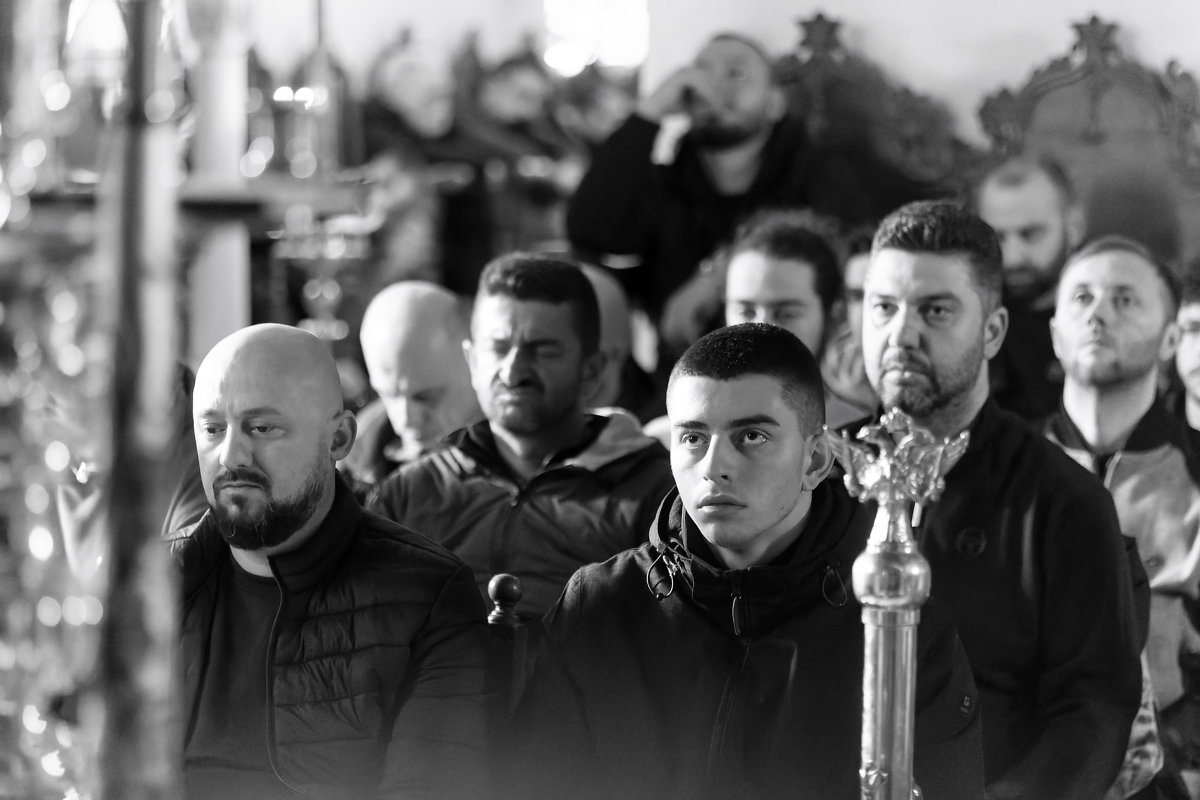
In our sacred monastery this day was received as one receives something hallowed: with prayerful silence, with trembling of heart, with joyful strictness; with the church filled to the last place, yet immersed in profound peace and repentance.
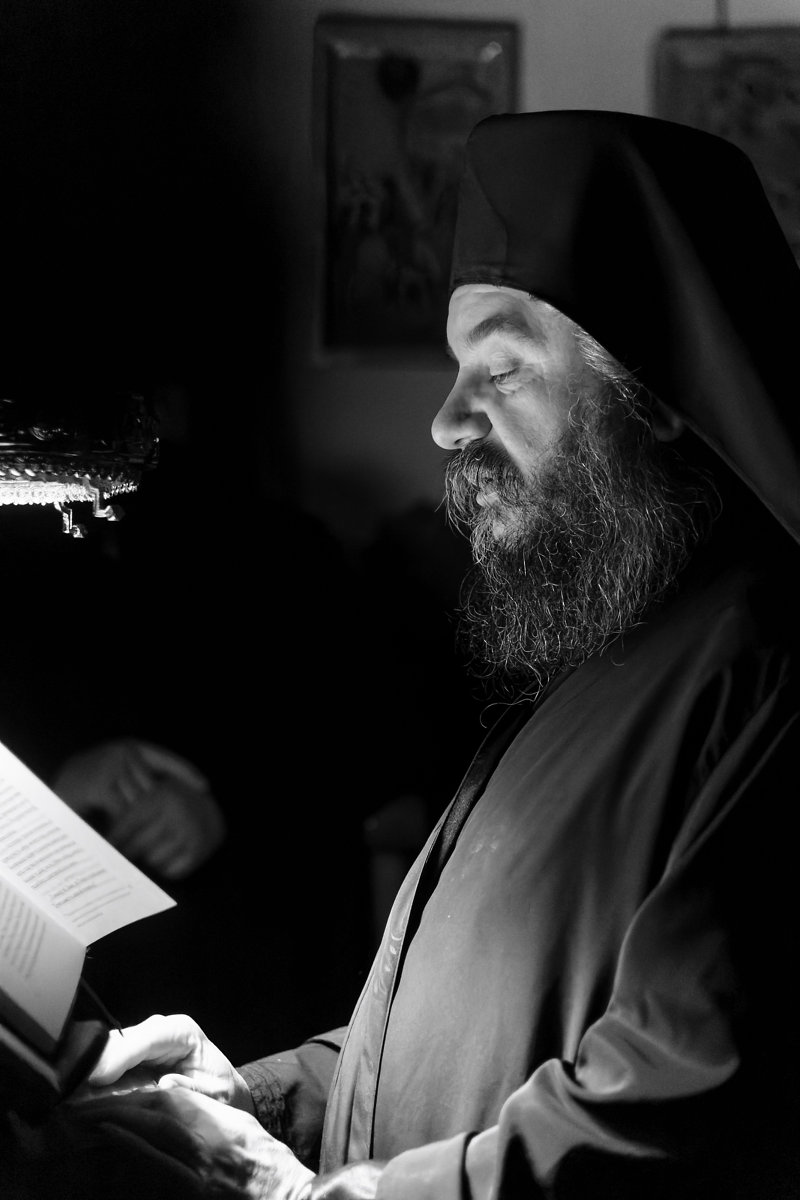
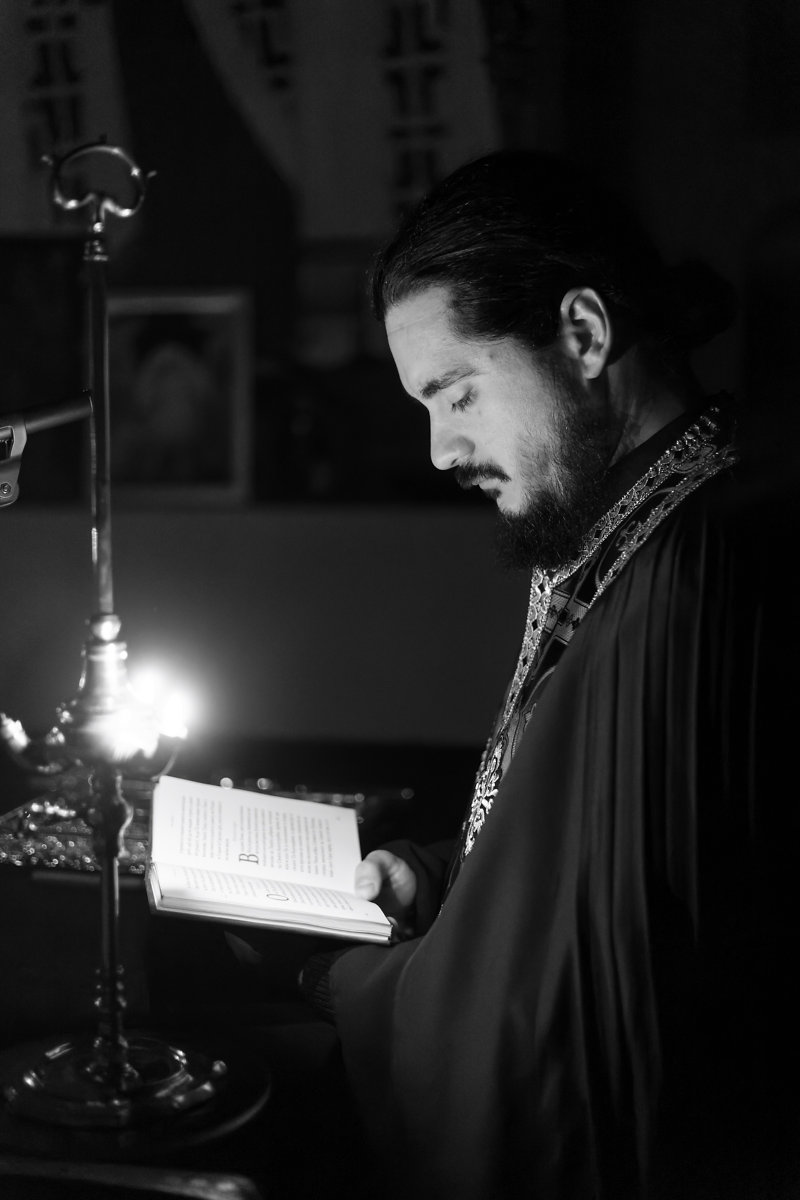
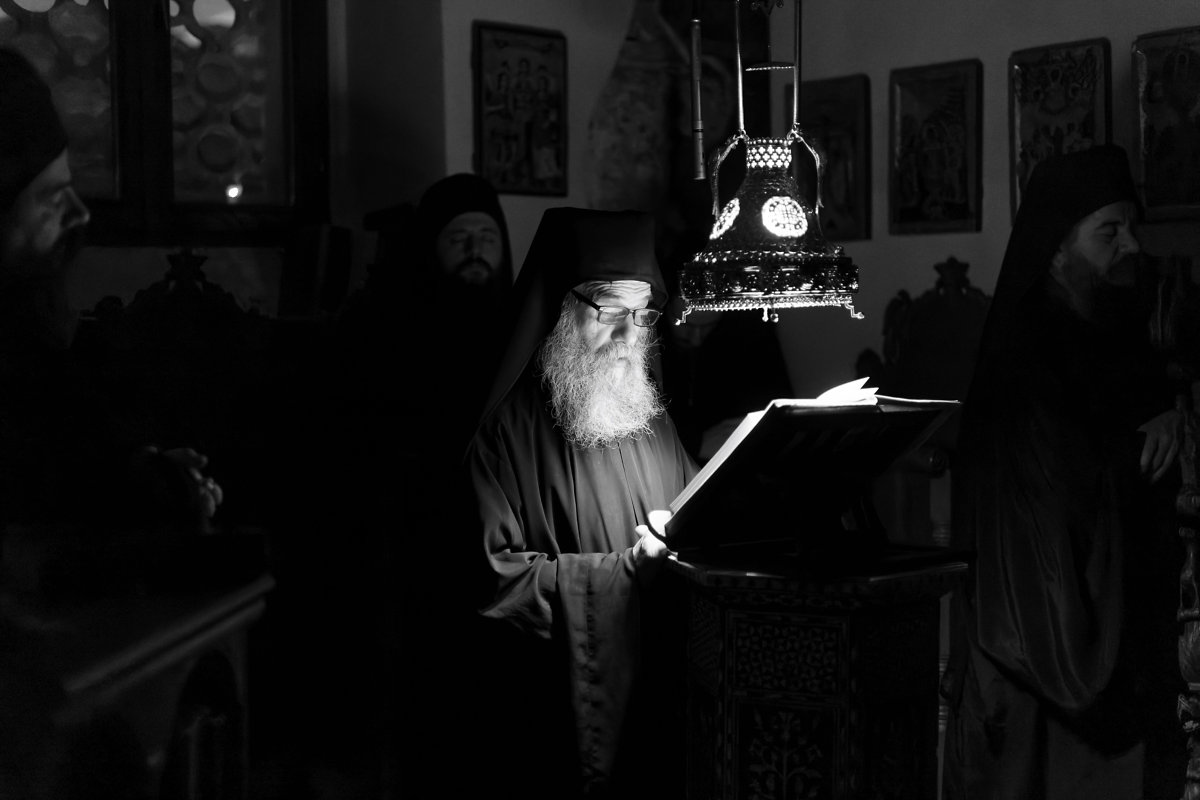
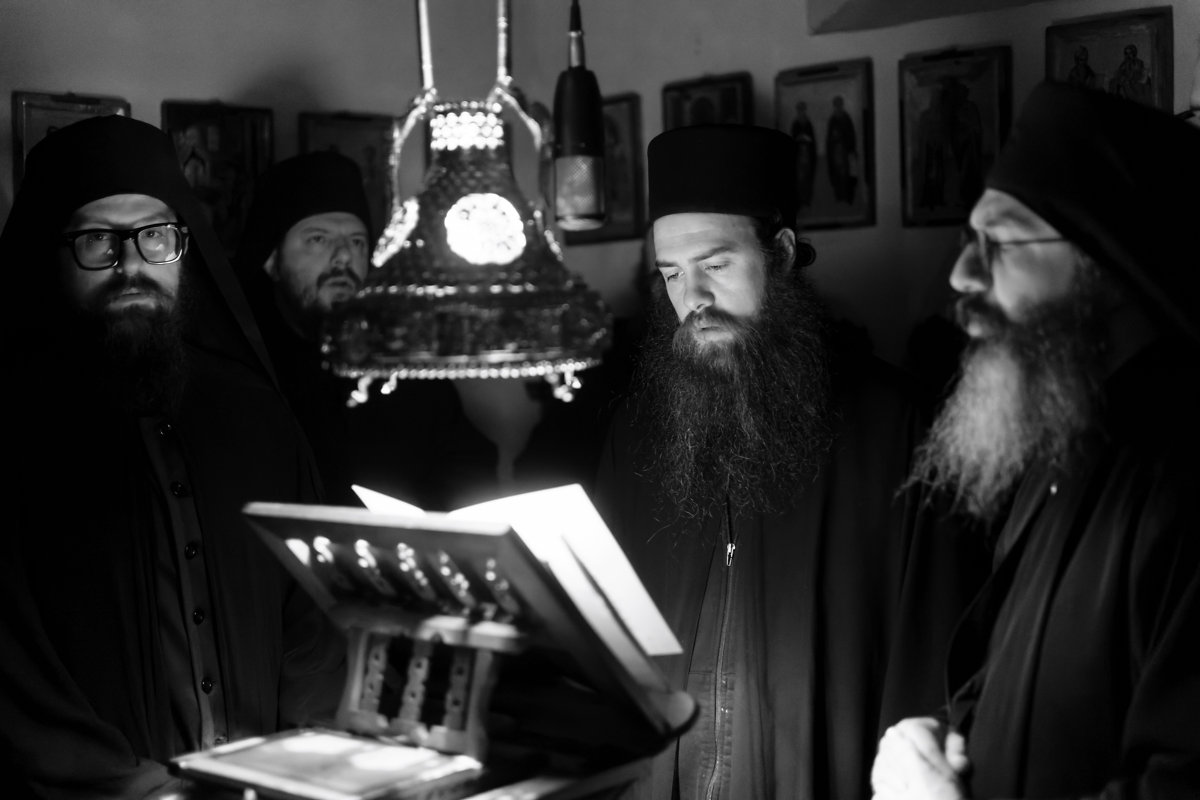
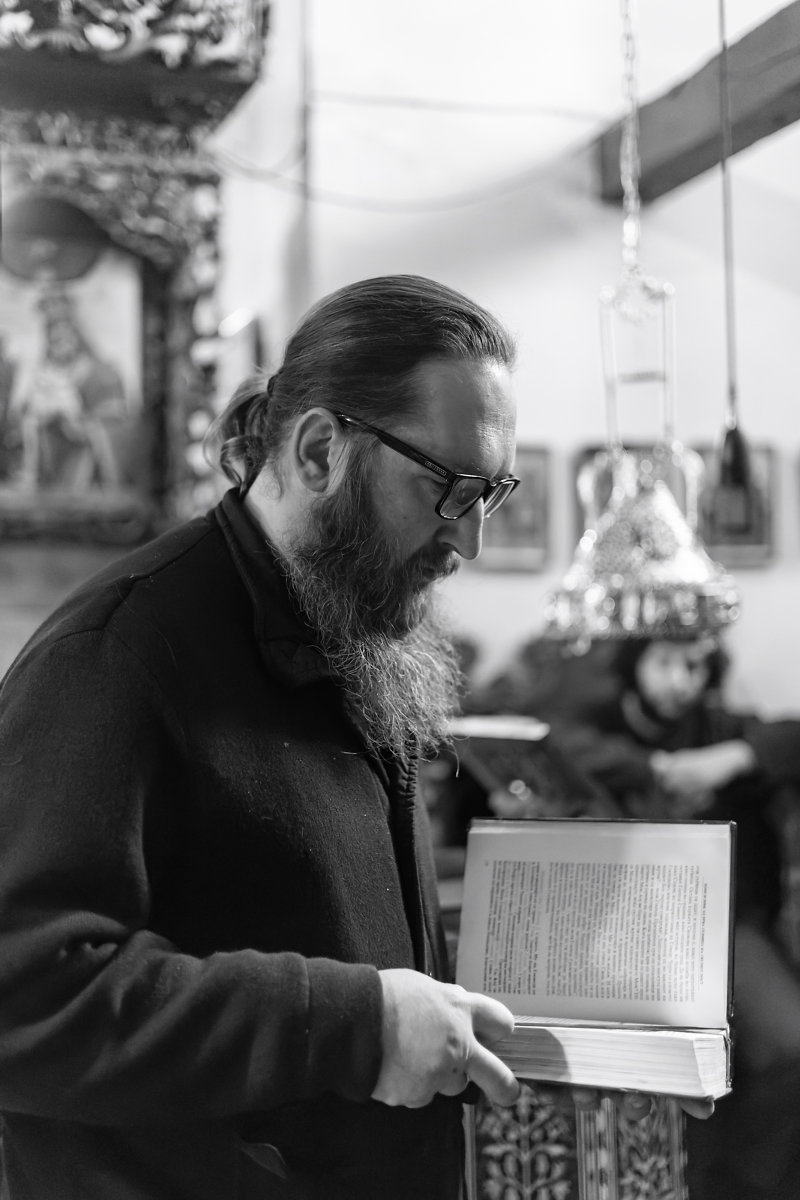
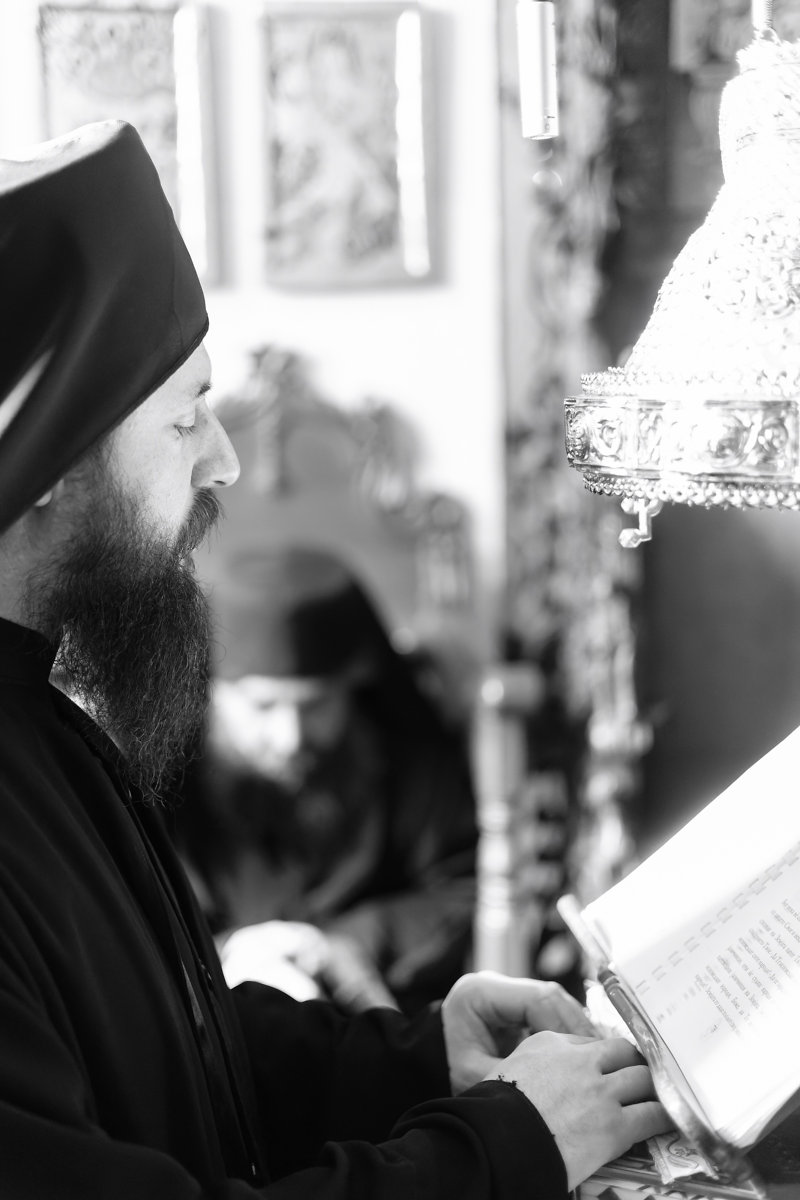
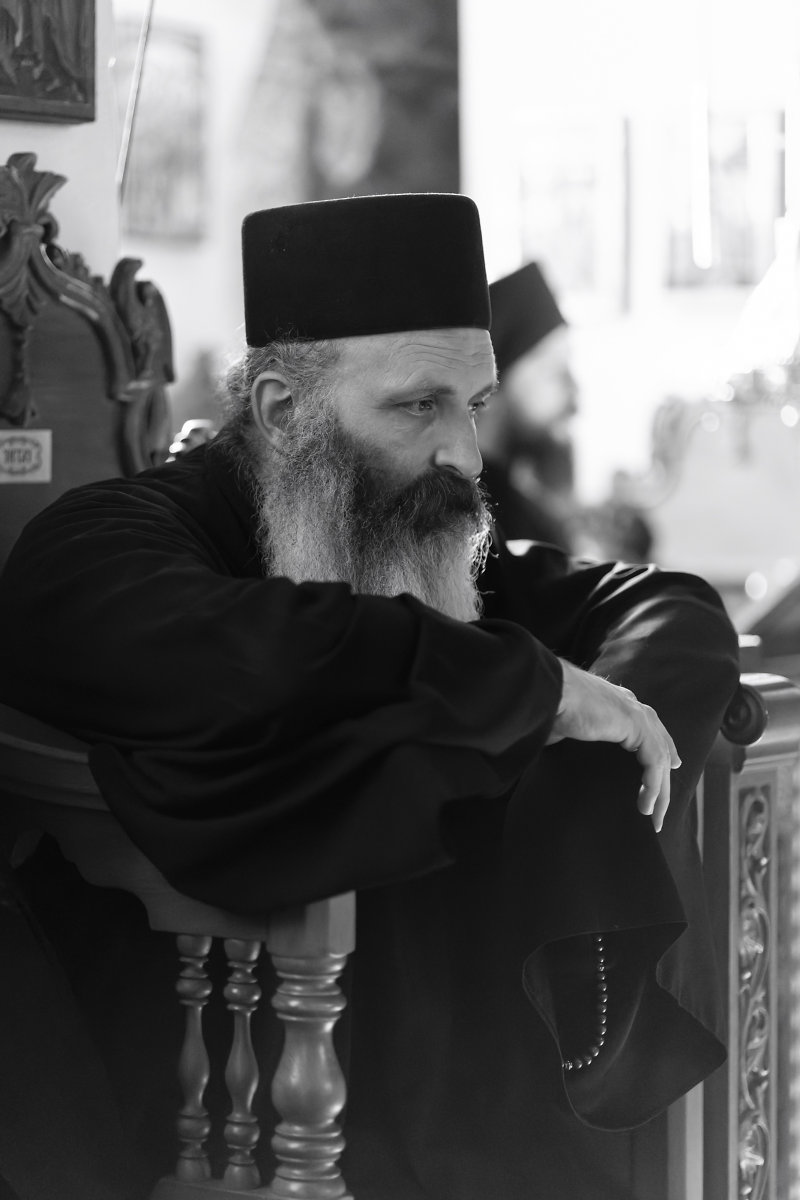
Once again, as the greatest gift from heaven, the Great Canon of Repentance of our holy father Andrew of Crete was heard—an ardent river of compunction that draws tears from the soul in its most secret depths. The monastic brethren and the faithful stood in the dim light of the temple, heads bowed and hearts open, listening to the saint’s words, which, uttered by the tender and trembling voice of the Elder, His Grace Bishop Parthenius of Antania, resounded like the striking of a bell upon the conscience:
“Where shall I begin to lament the deeds of my wretched life? What first-fruit shall I offer, O Christ, for my present mourning?”
Each one of us, in the silence of the inner man, recognized himself in that cry—not as a cry of despair, but as a cry of hope, for it is directed toward Him Who alone is ready to forgive.
The hymnography of this day reveals to us that fasting is not deprivation, but healing. “Let us begin the all-holy season of the Fast with joy,” the Church chants. “Let us shine with the bright radiance of Christ’s holy commandments: with the light of love and the splendor of prayer, with the strength of good courage and the purity of holiness.”
What inspired poetry! The Fast is not darkness—it is a vesture of light. It is not desolation, but a pilgrimage toward the Resurrection, toward that Third Day which “shone upon the world with the glory of eternal life.”
And indeed, who can remain indifferent before such words, which both summon and console us? The Canon places before every human soul the question: “How shall I begin to weep for my falls? Where is the beginning of salvation?” Yet immediately the answer follows: “This is the time of repentance. This is the day of salvation. This is the beginning of the Fast. Be vigilant, O my soul! Shut the door to thy passions and seek the Lord.”
Shut the door to thy passions. How simple this command, and yet how profound. For the whole spiritual life consists in closing one door and opening another: closing the door to distraction, murmuring, self-will, and selfishness; and opening the door to silence, prayer, and watchfulness toward one’s neighbor.
The hymnographer also recalls the ancient examples: “The fiery chariot received Elijah, strengthened by fasting. Through fasting Moses beheld ineffable mysteries.” Fasting is vision. It purifies the eyes of the soul that it may behold Christ. For Adam ate and was driven from Paradise; we, however, embrace the Fast with joy, beseeching the Lord to show us worthy of perfect repentance.
And amid all this holy strictness there abides the tenderness of the Mother. “Grant us thy mercy, O Theotokos, fountain of compassionate love,” the Church sings. “Behold the people that have sinned, and manifest, as always, thy power.” In the stillness of this first day of the Fast, our brotherhood likewise entreats the All-Holy Mother of God: that she may shelter us beneath her protecting veil, accompany us through the forty-day struggle, and bring us to the radiant dawn of the Resurrection.
For the Fast is not an end in itself; it is a path. And the true path always leads to Holy Pascha—to the encounter with the Risen One, to the life that has no end.
“Clothed in the radiant garments of fasting, let us cast off the dark and sorrowful garments of dissipation, that we may behold with faith the most radiant Passion of the Savior.”
May this holy journey be blessed. May the Lord grant us strength to walk it with joy, patience, and love. Amen.