If the first Sunday of Great Lent, the Sunday of Orthodoxy, showed us that, through the Incarnation, God became visible and that His image can be depicted in an icon, then the second Sunday reveals something even deeper: that this same God not only became visible, but that His uncreated light is also accessible, tangible, and experienceable. For this is the teaching of Saint Gregory Palamas, the great luminary of Orthodoxy whose all-honorable memory we celebrate today: God is not enclosed within His inaccessible essence, distant and unknowable, but comes forth toward us through His uncreated energies—light, grace, life—and we mortals can truly touch Him, taste Him, and be illumined by Him. This is the Taboric light: not a metaphor, not a symbol, but a reality that transfigures the bodies and souls of the faithful who labor in the love of God.
The celebration of Saint Gregory in our holy monastery of Rajchica began already yesterday, with the solemn service of Great Vespers, at which our beloved Jerondi, His Grace Bishop Parthenius of Antania, presided prayerfully.
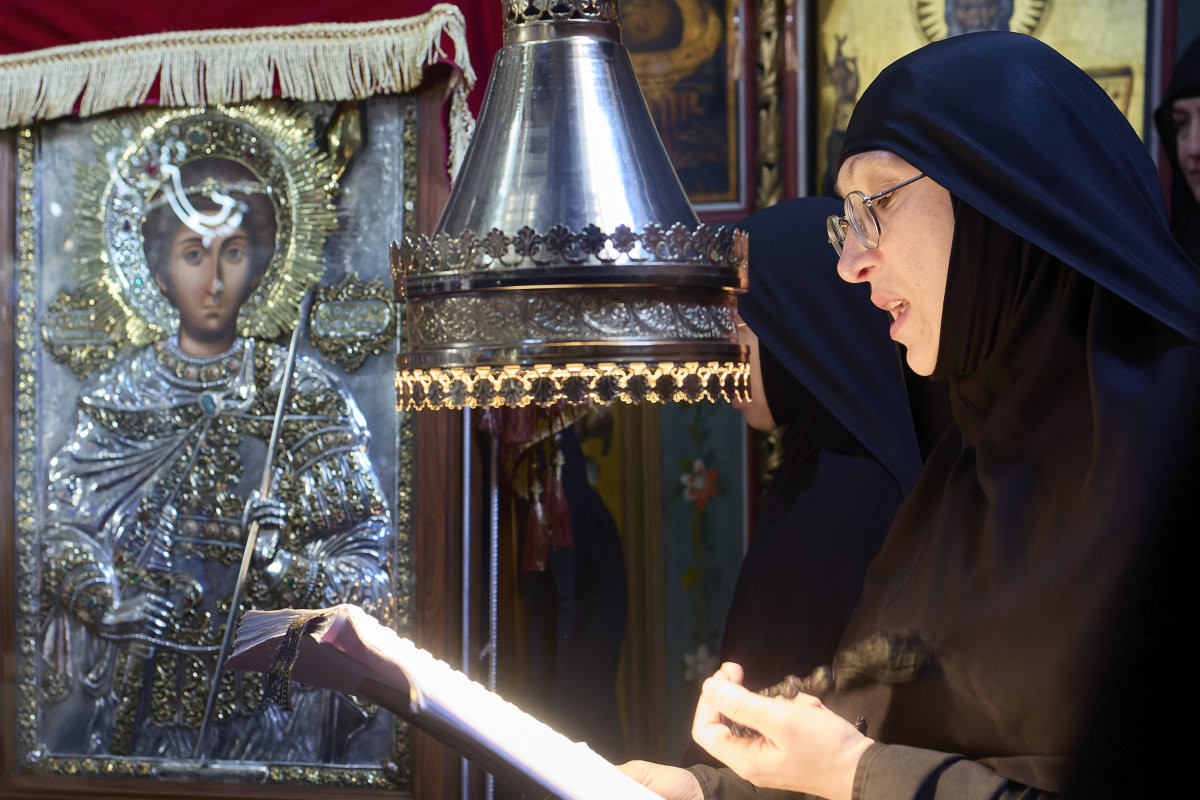
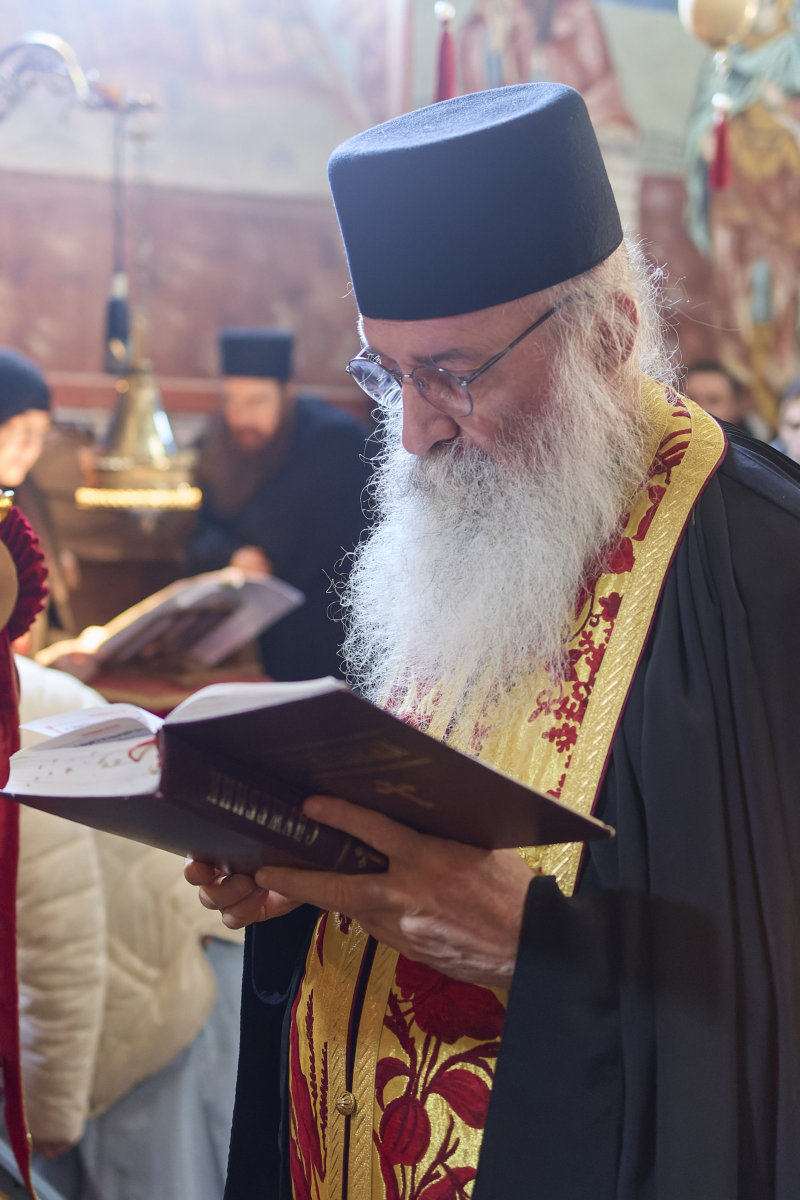
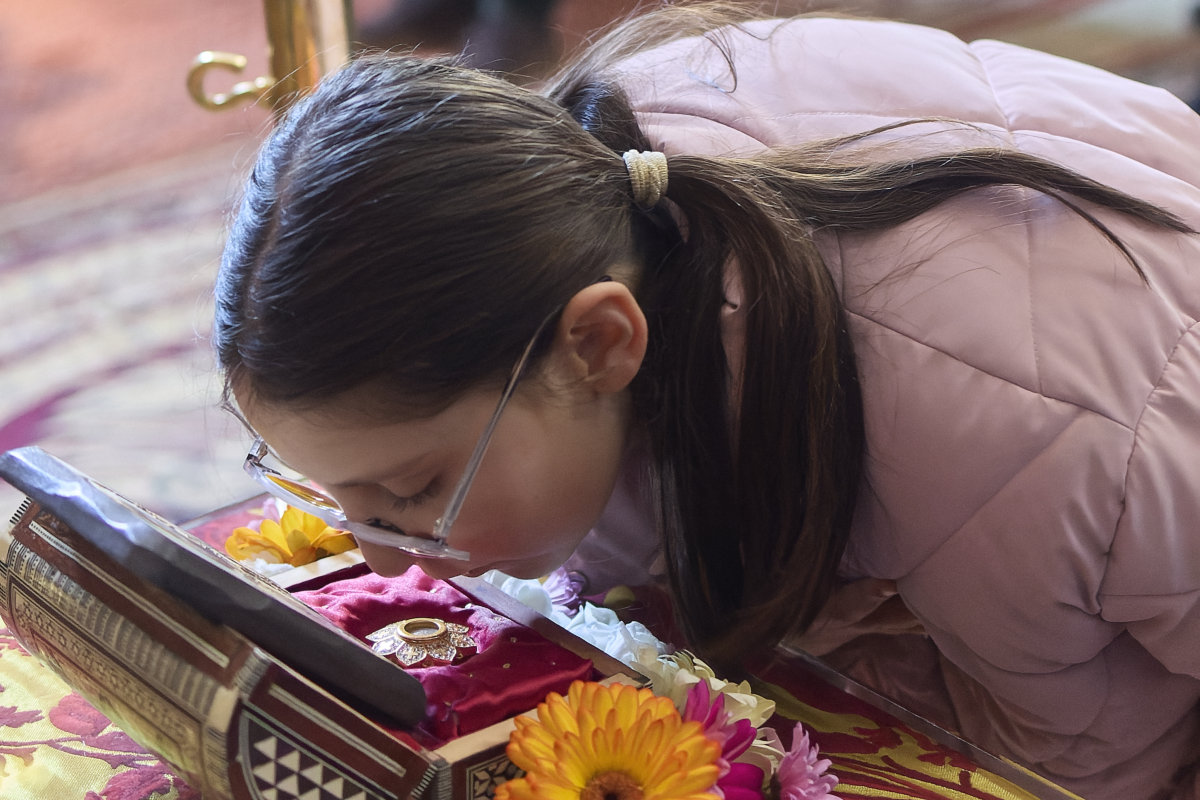
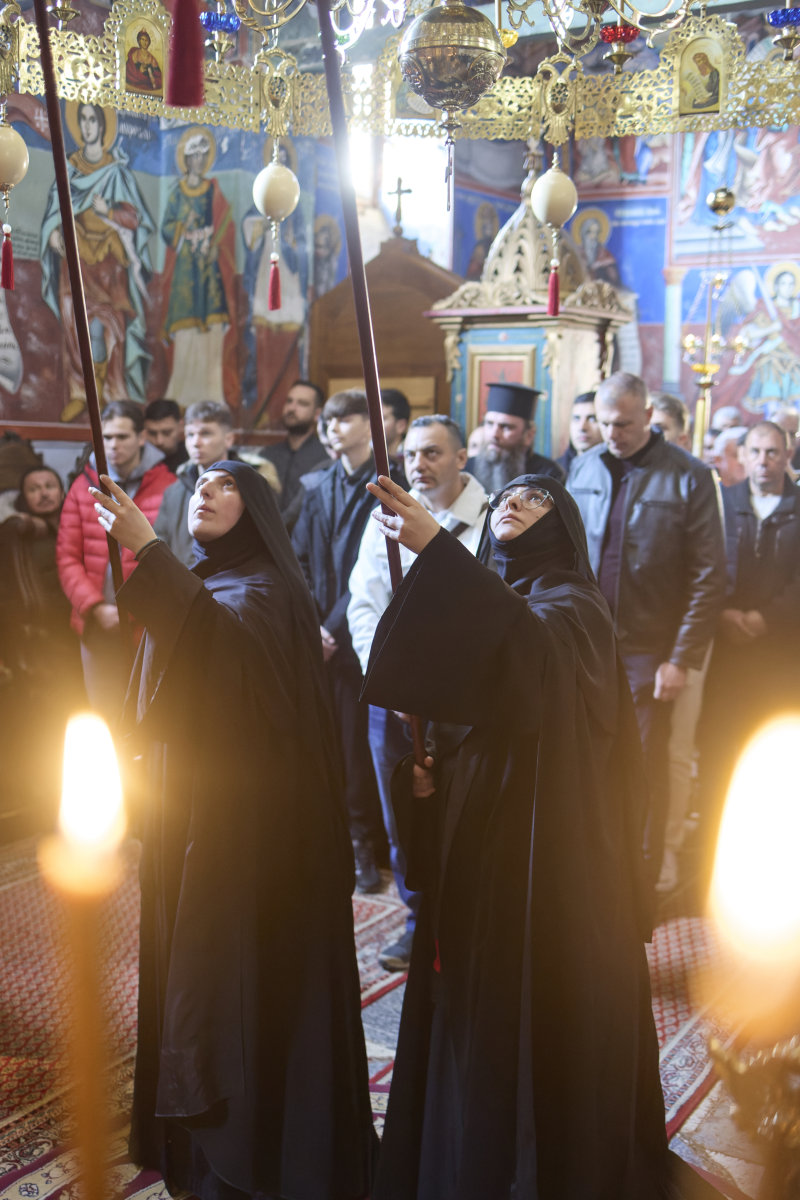
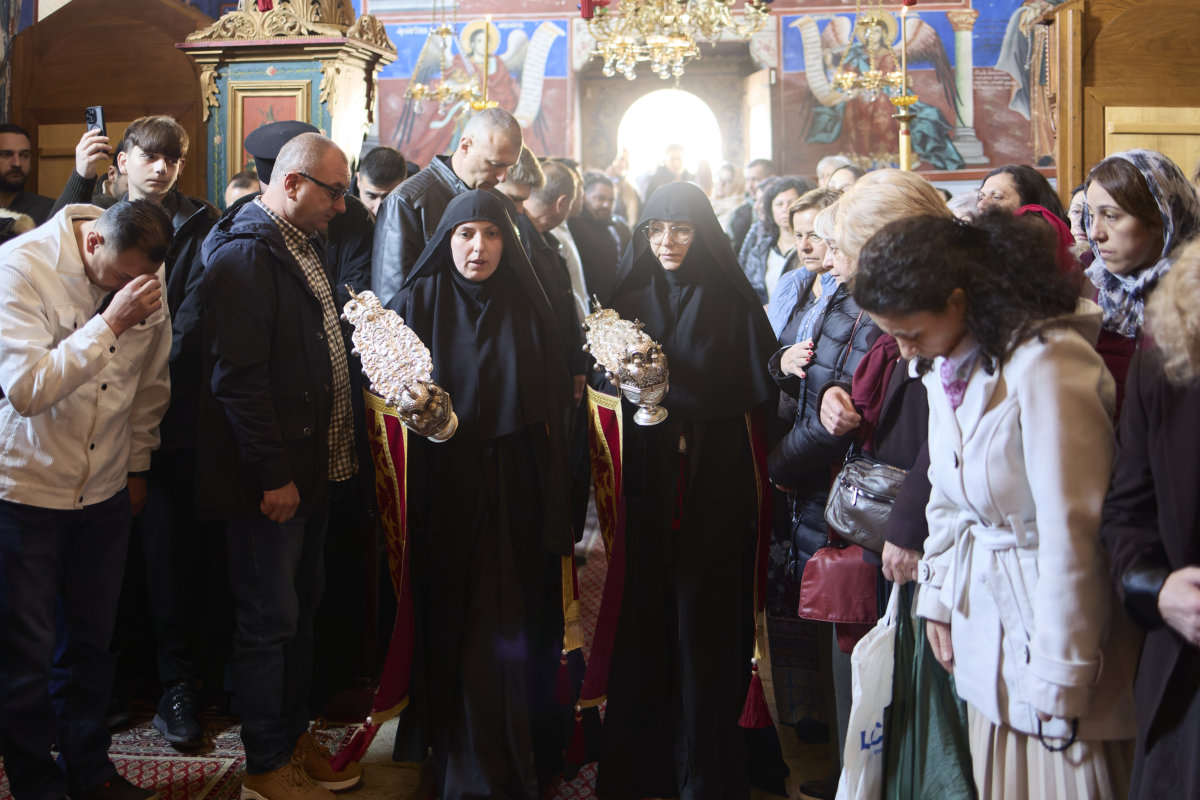
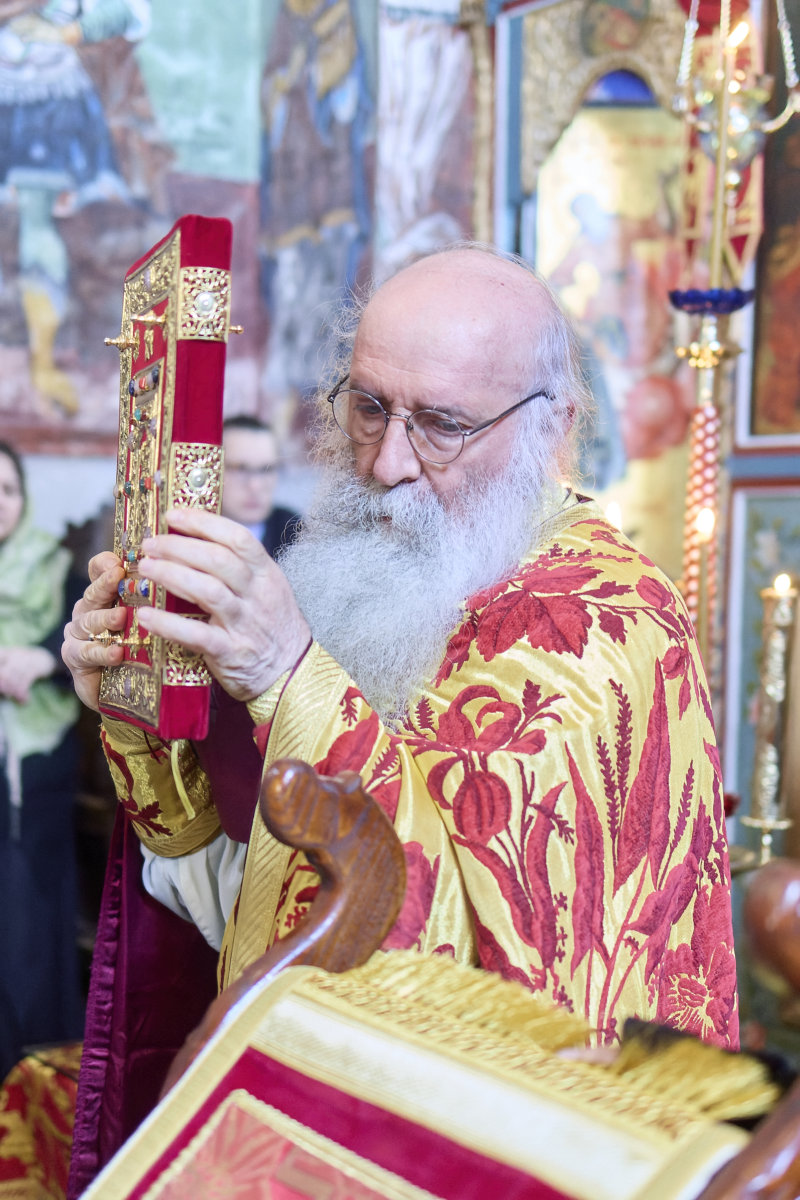
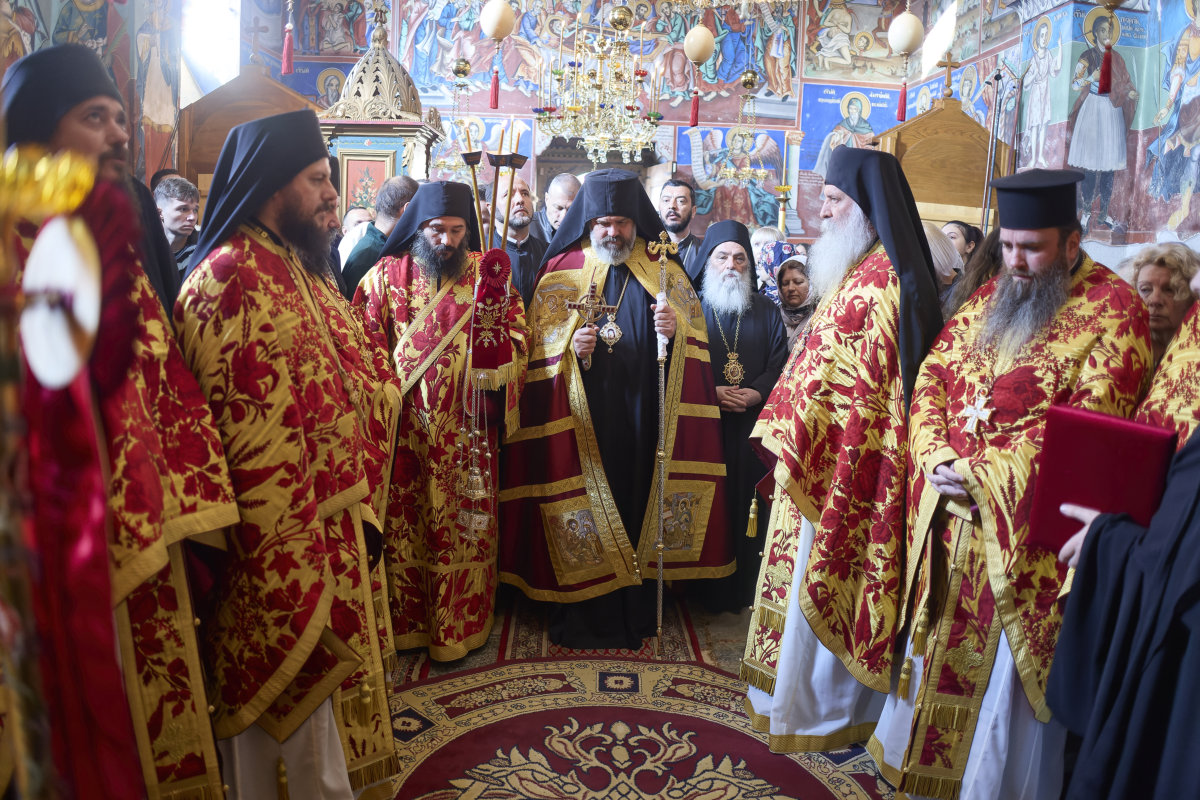
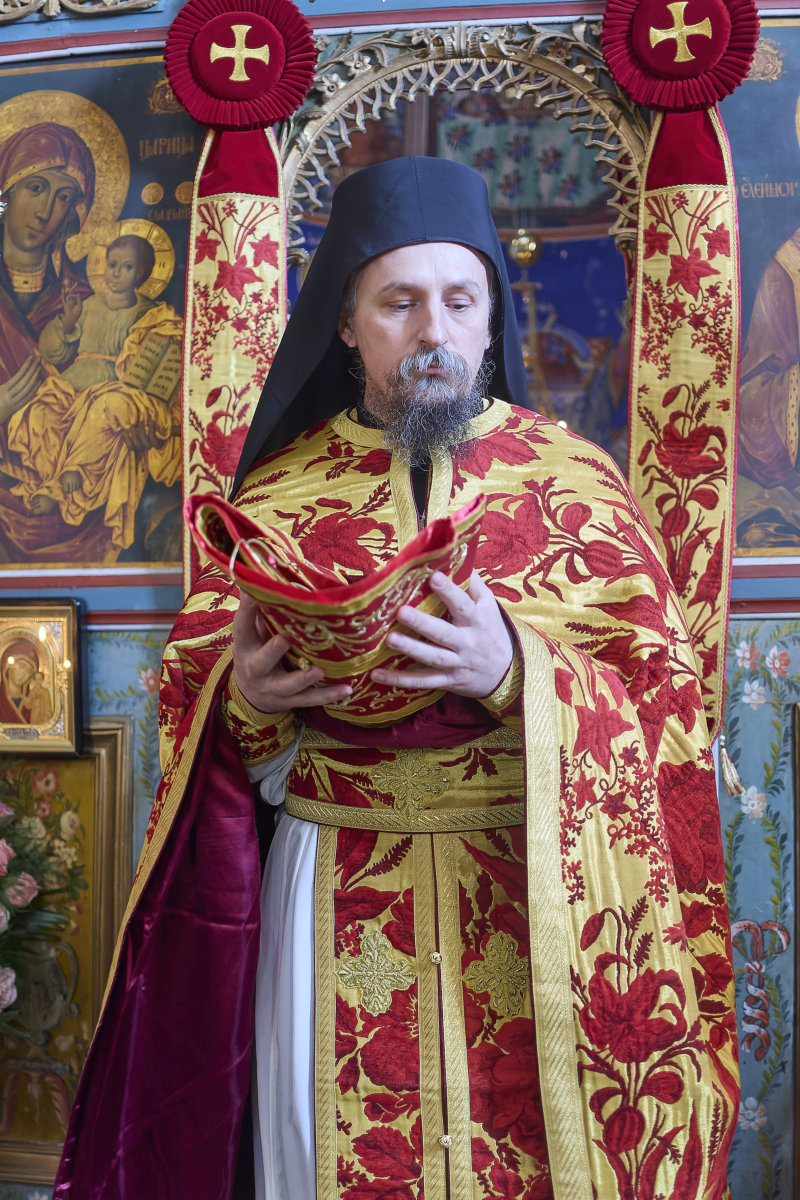
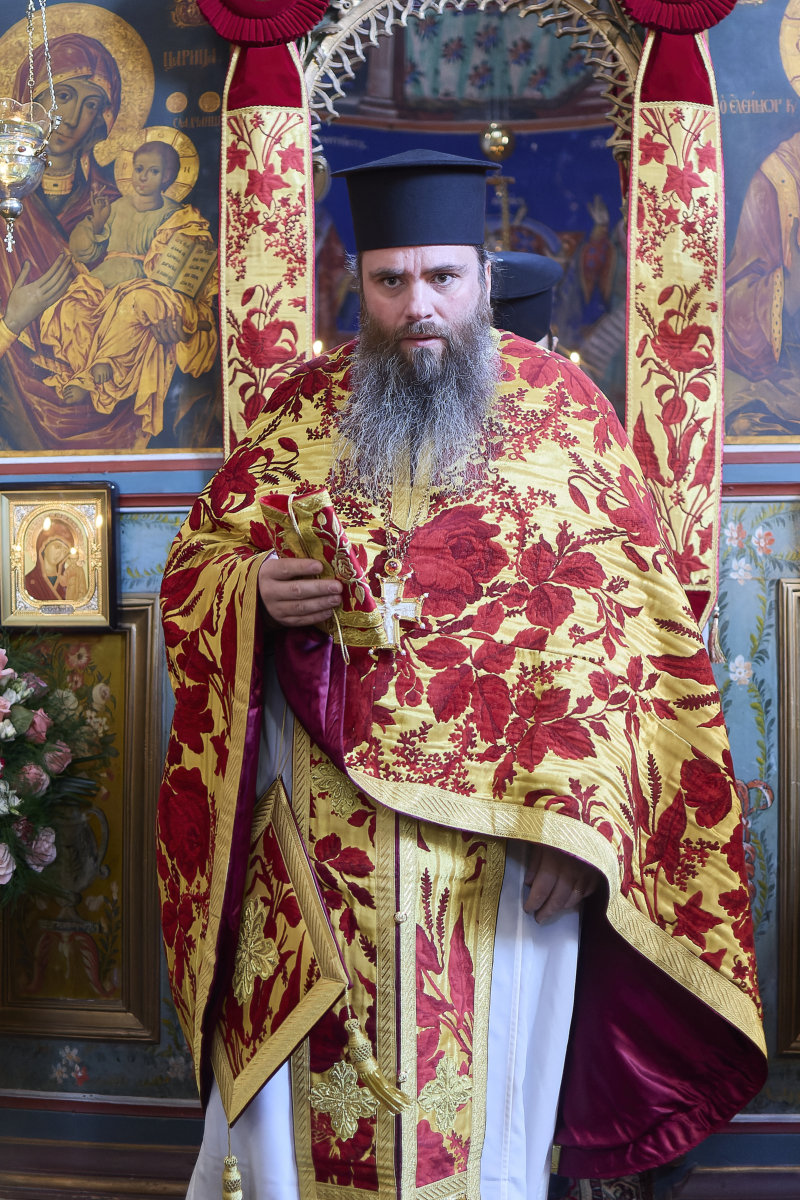
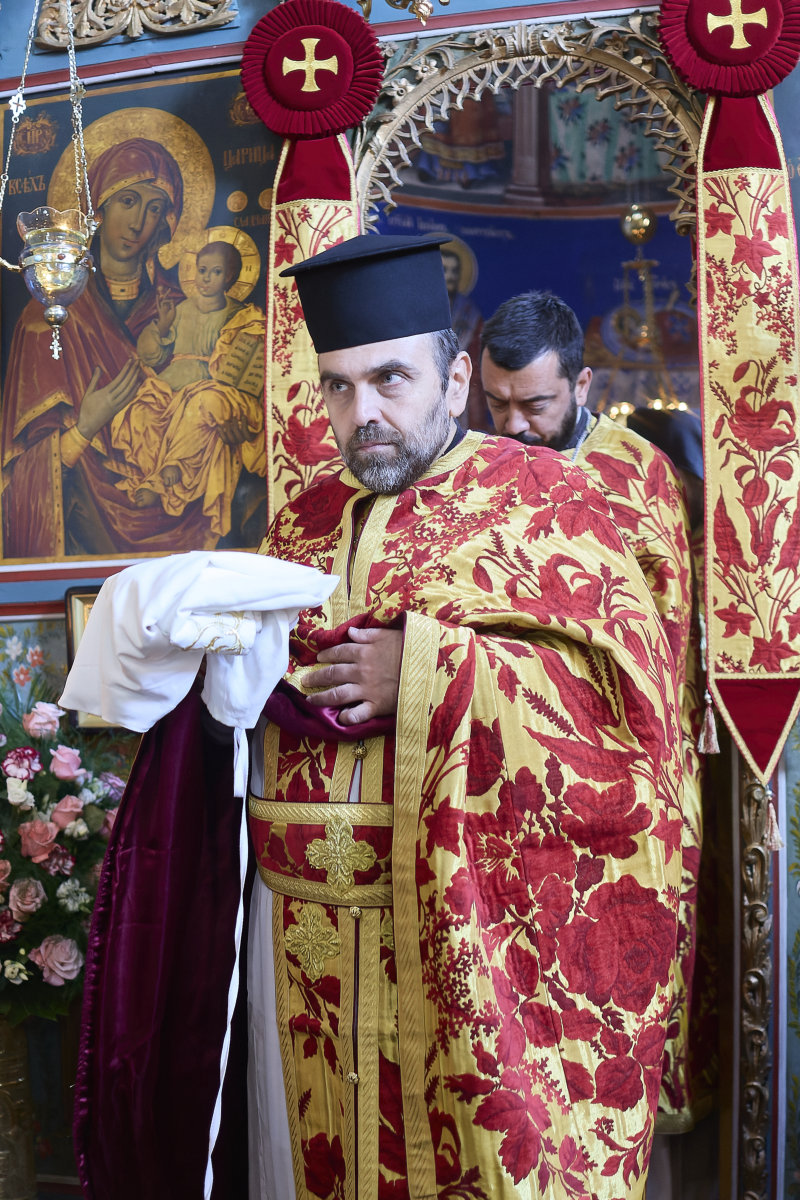
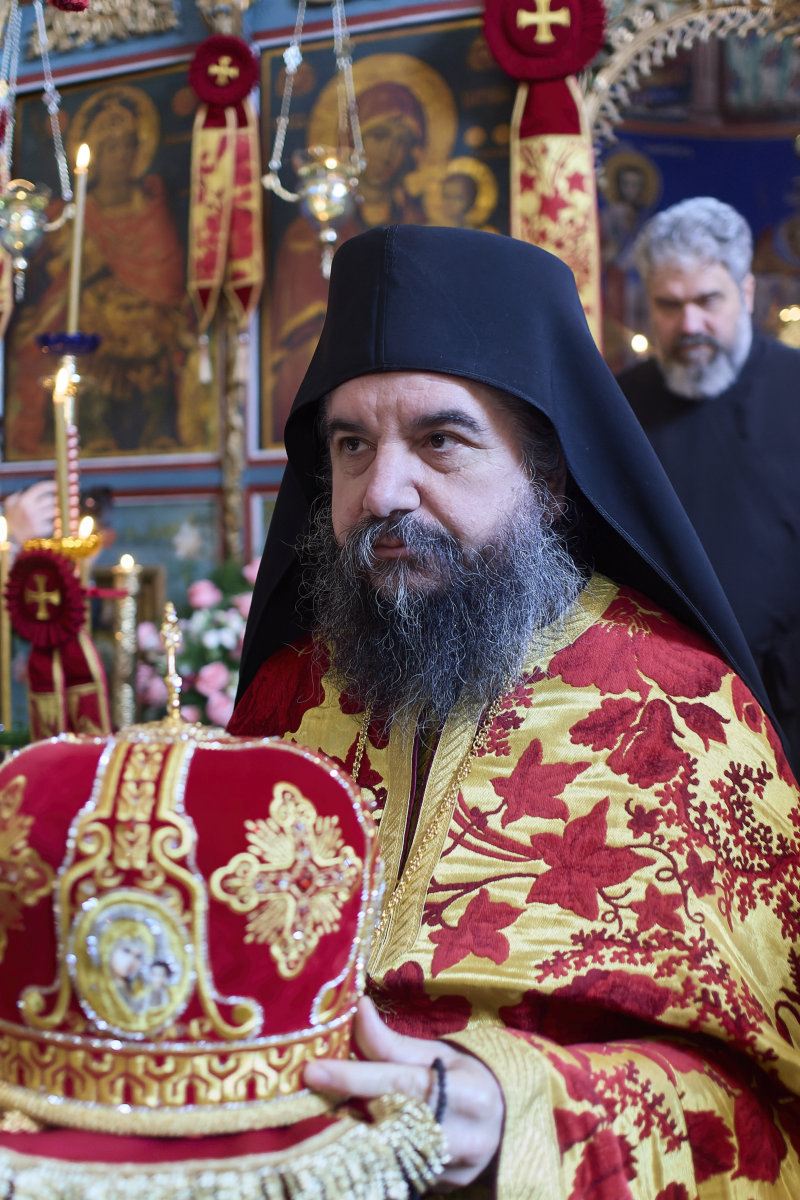
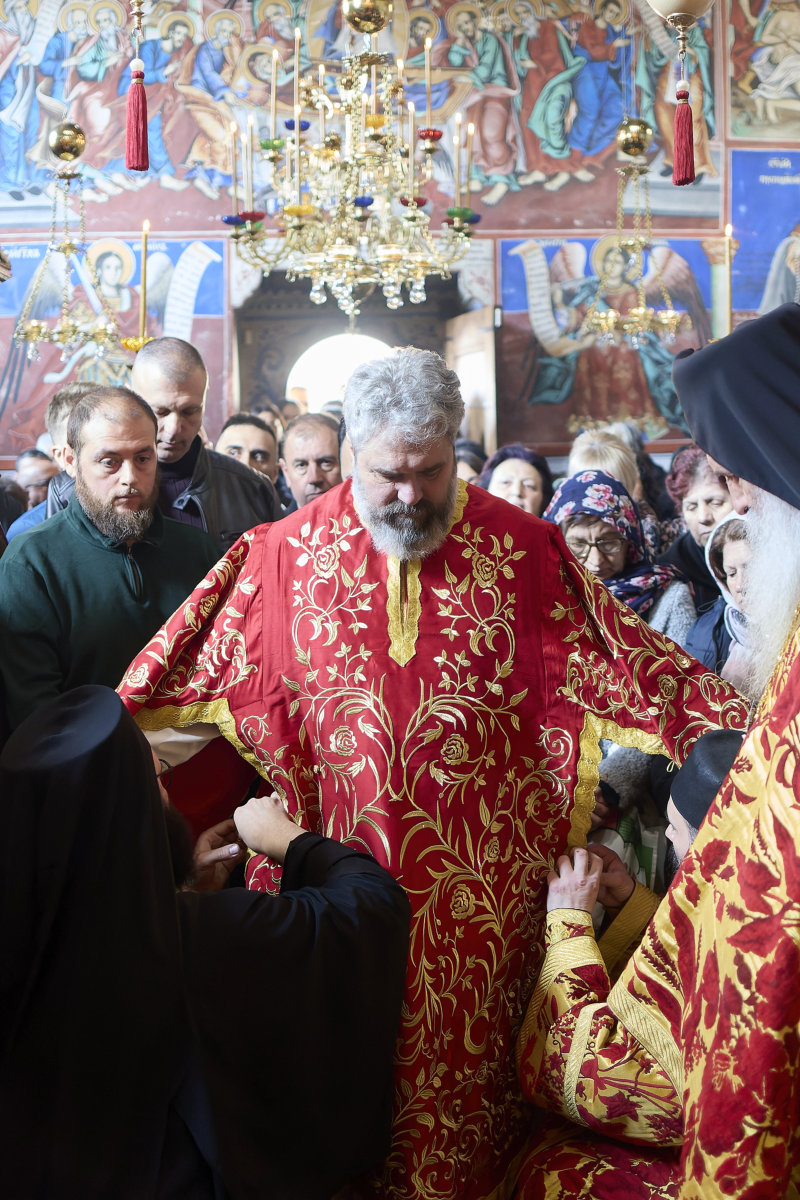
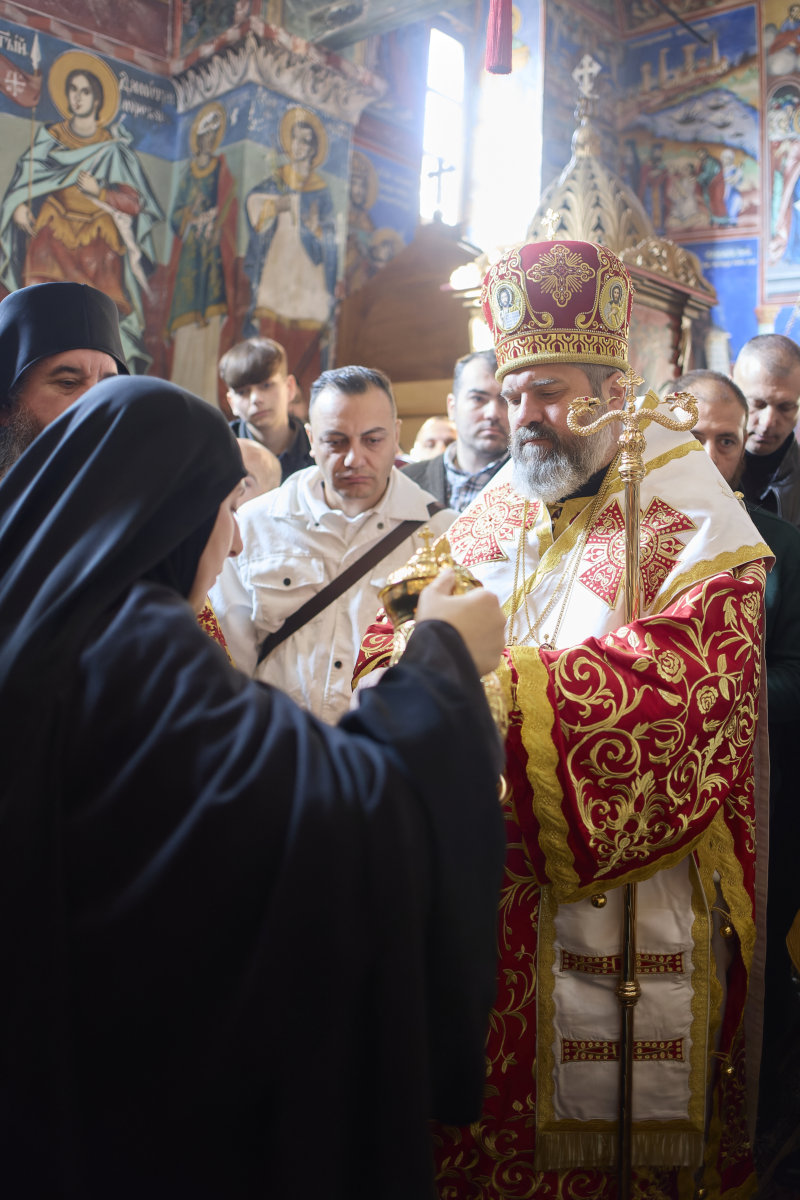
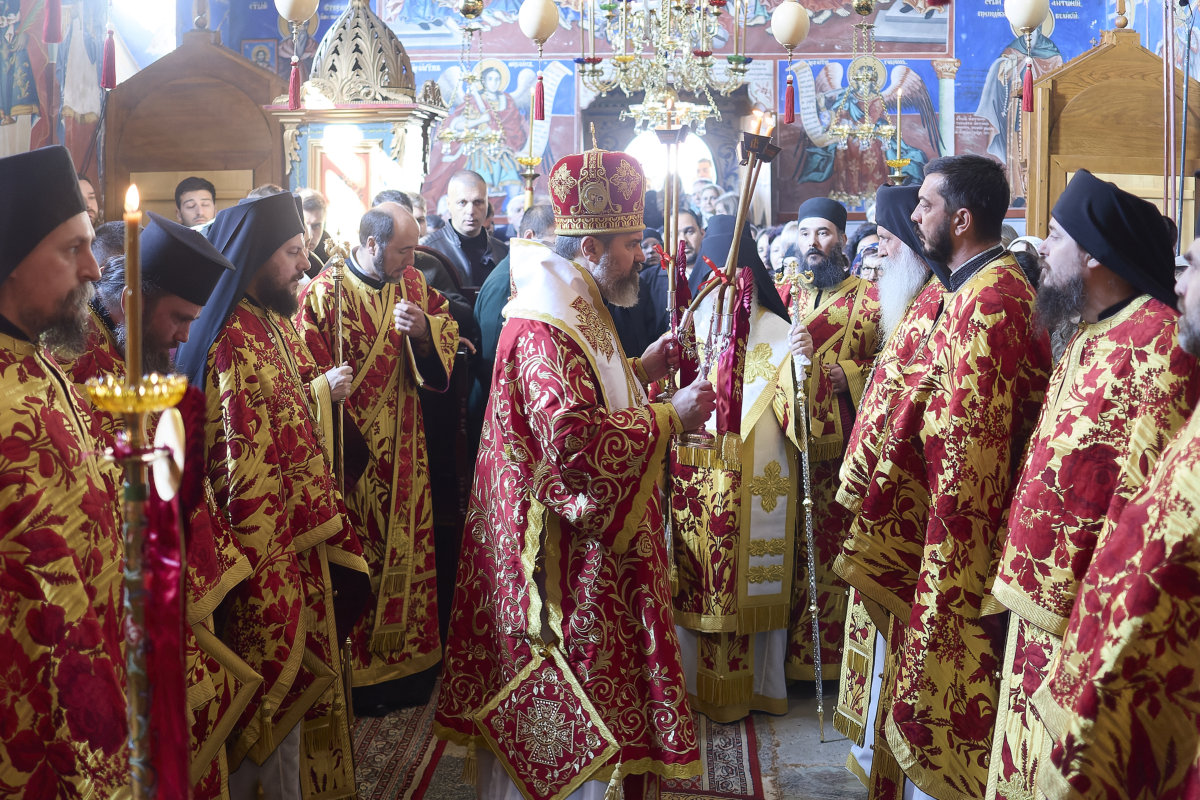
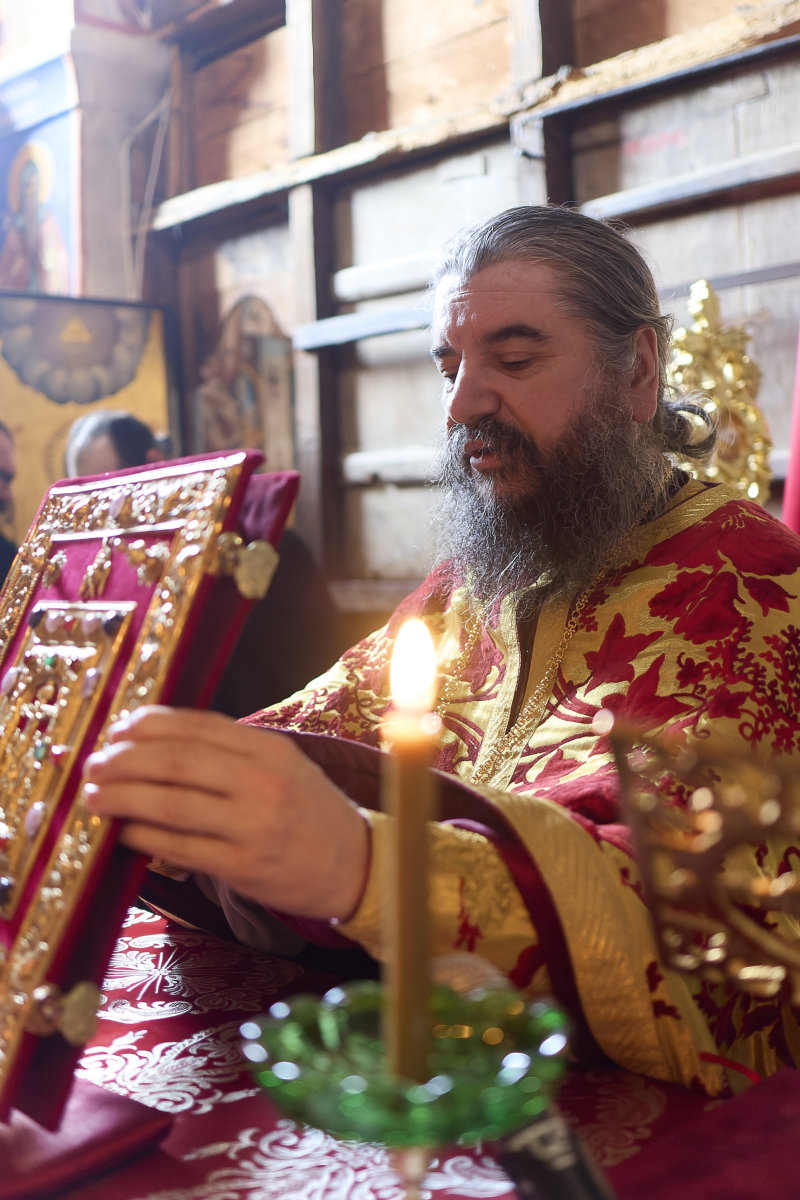
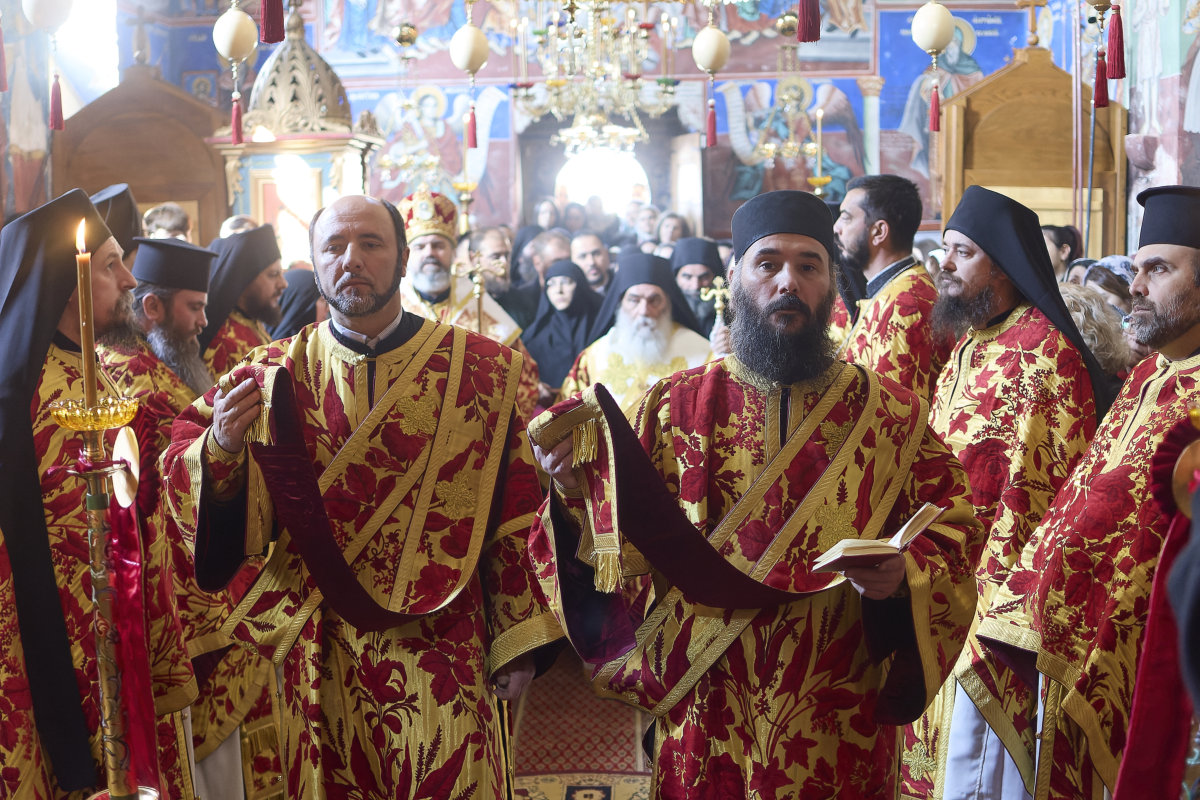
Today, however, the feast received its full radiance. The monastic patronal celebration was further adorned by the arrival of the esteemed Metropolitan of Debar and Kichevo, His Eminence Mr. Georgij, who also presided over the Divine Liturgy of our Father among the Saints Basil the Great, concelebrating with our Jerondi and Abbot, with the priestly brethren of Bigorski, with the diocesan secretary Protopresbyter Nikola Hristoski, with our dear guest Protopresbyter Ioan Popescu from Romania, Father Mile Angelkovski from Debar, and Protodeacon Nikolche Gjurgjinoski. The festal beauty was further embellished by the chanter Dragoș Lucian together with the sons of Father Ioan, whose beautiful chanting in the Byzantine style filled the church with that very radiance fitting for the day dedicated to the Saint who taught that God is light—near and accessible.
At the end of the Divine Liturgy, Metropolitan Georgij addressed the faithful with an appropriate pastoral homily dedicated to the great luminary of Orthodoxy, Saint Gregory Palamas—the teacher of the Taboric light, the defender of the hesychasts, the theologian of the experience of God. He also spoke with inspiration about today’s Sunday Gospel reading, concerning the healing of the paralytic borne on his bed.
After the address of the revered hierarch, Jerondi Bishop Parthenius also spoke briefly to those present, thanking the Metropolitan for his precious presence and for this blessed occasion of concelebration. He then expressed gratitude to our dear friend, Protopresbyter Ioan of Romania, to whom he presented an adorned cross.
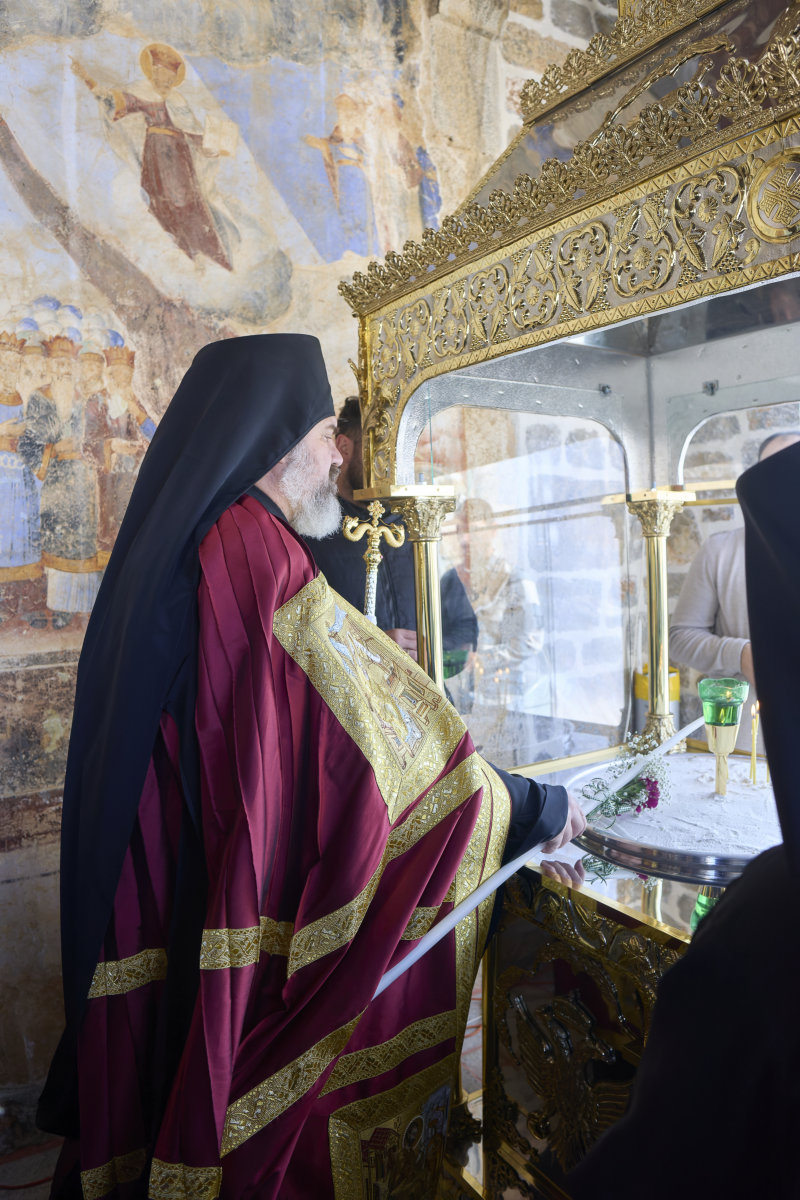
After the Liturgy, the festal bread was blessed and broken in the church—that simple and holy gesture of sharing bread, which always reminds us that the Church is a table, and that we are one family gathered around it.
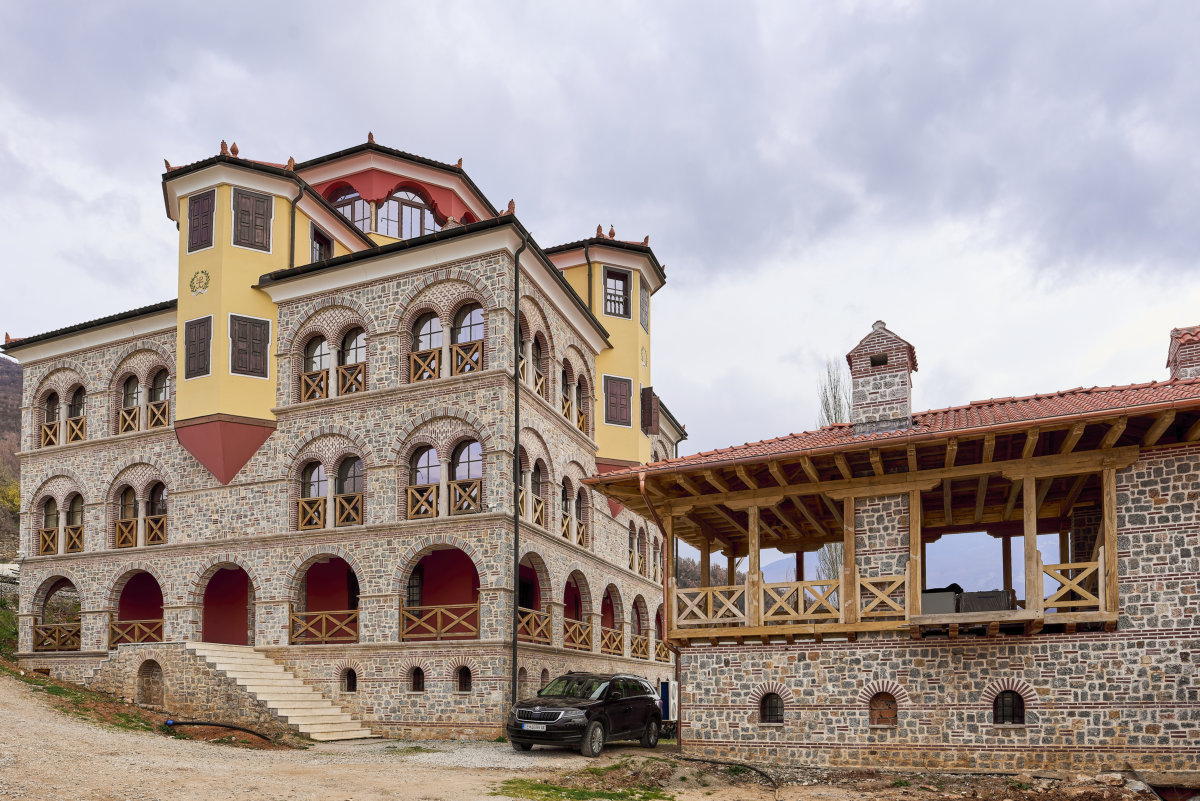
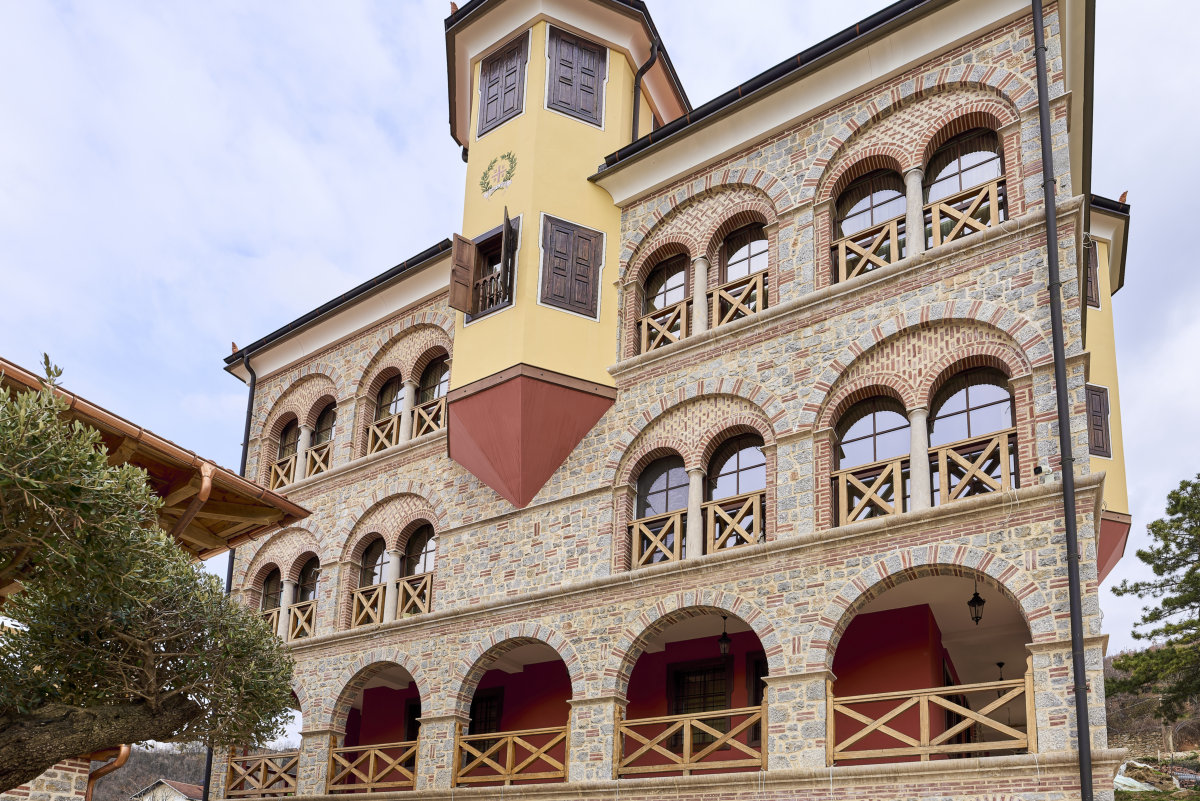
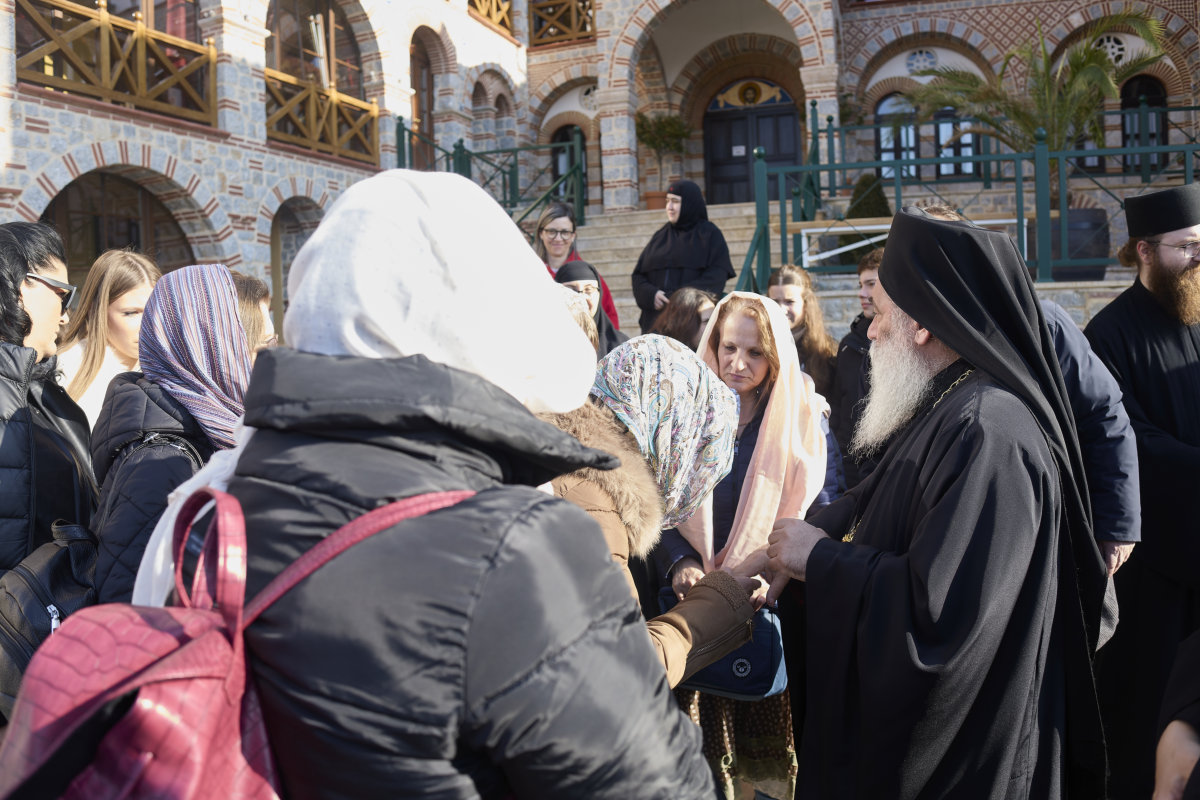
Yet this day in Rajchica will remain memorable for yet another historic event in the life of our sacred monastic community. With full solemnity, the new monastic residence was consecrated, completed after ten full years of construction through the untiring labor and dedication of our Jerondi and Abbot Parthenius, together with his brotherhood and sisterhood in Christ. Ten years of stone upon stone, prayer upon prayer, care upon care—and behold, today the majestic building stands beneath God’s heaven as a witness that faith and patience always bear fruit.
This residence was built under the donor’s protection of the pious Mrs. Elena Pandeva, who appears as the ktetor of this beautiful monastic house. Alongside her, of course, other friends and lovers of the holy place also helped: some by donating their own products, some with financial means, some with labor and with prayers.
The foundations of this residence were blessed in 2016 by the blessed-reposed Metropolitan Timotej, whose blessed memory remains among us. And behold, ten years later, the building has been completed and consecrated; and it is striking that this consecration comes exactly twenty-five years after the consecration of the first monastic residences in 2001. A quarter-century of growth, a quarter-century of building—not only of stones, but of human souls and of life in Christ.
The residence was built on land which Elder Parthenius, with great labor and perseverance, gradually acquired for the needs of the monastery. It contains workrooms for the sisterhood, guest rooms, an abbess’s office, balconies, and other chambers—everything necessary for the daily life and mission of the monastic community. The conceptual design of the building and its appearance belongs to Jerondi himself, who, in collaboration with architects, structural engineers, and experts, succeeded in bringing forth this beautiful monastic edifice, one that does not violate the lines of the ancient monastic spirit, but continues them with reverence and good taste.
And here, in conclusion, we cannot fail to note the providential harmony granted by God: on the day dedicated to Saint Gregory Palamas, the teacher of the uncreated light, a new monastic home is consecrated—a new space where the nuns will live, pray, and work. For monasticism is precisely this: living in the light. Not fleeing the world, but living in God’s light in the midst of the world. And the church and the monastic residences are the space where that light is welcomed, guarded, and shared.
May the great Giver of Gifts, the Lord God, bless the new residence and all who will live and labor in it, and preserve it sound and unharmed until the Second Coming of Christ. May He also bless Jerondi, whose vision and perseverance made this work possible. May He bless the brotherhood and the sisterhood as well, who with their own hands and prayers labored diligently in its building. And may He inscribe in the Book of Life the names of the pious Mrs. Elena Luka and of all the devoted benefactors who helped in the purchase of the land and the furnishing of the residence. Their generosity is forever engraved in the prayerful remembrance of our holy monastery. For stones are fragile, wood decays, walls crumble—but the prayer of grateful monks endures forever. And that is the greatest reward for every ktetor: not an inscription on a wall, but a name in prayer. Not a memorial plaque, but “Remember, O Lord,” every day, at every Liturgy, unto the end of the ages. Amen.