The fourth day. The body has already grown accustomed to hunger, but the soul – she is only now beginning to awaken and to blossom spiritually. For fasting has its hidden laws: the first days are struggle, and then, little by little, something opens within, something quiet and deep, like a spring in the midst of the desert. And precisely on this fourth day, when the bodily effort becomes lighter and the spiritual more inward, the Church turns our gaze toward the Apostles – those noetic stars whom Christ kindled in the firmament of the Church of God.
“O Word of God, Thou hast made Thy disciples as stars, enlightening the ends of the earth with their preaching,” chants the sessional hymn at Matins. “Illumine our hearts with the light of the virtues; purify us through the Fast; grant repentance and conversion unto Thy servants.” Stars, not ornamental, but guiding. As once the star led the Magi to Bethlehem, so the Apostles lead us to Christ, especially in these days of fasting, when the road is dark and the step uncertain.
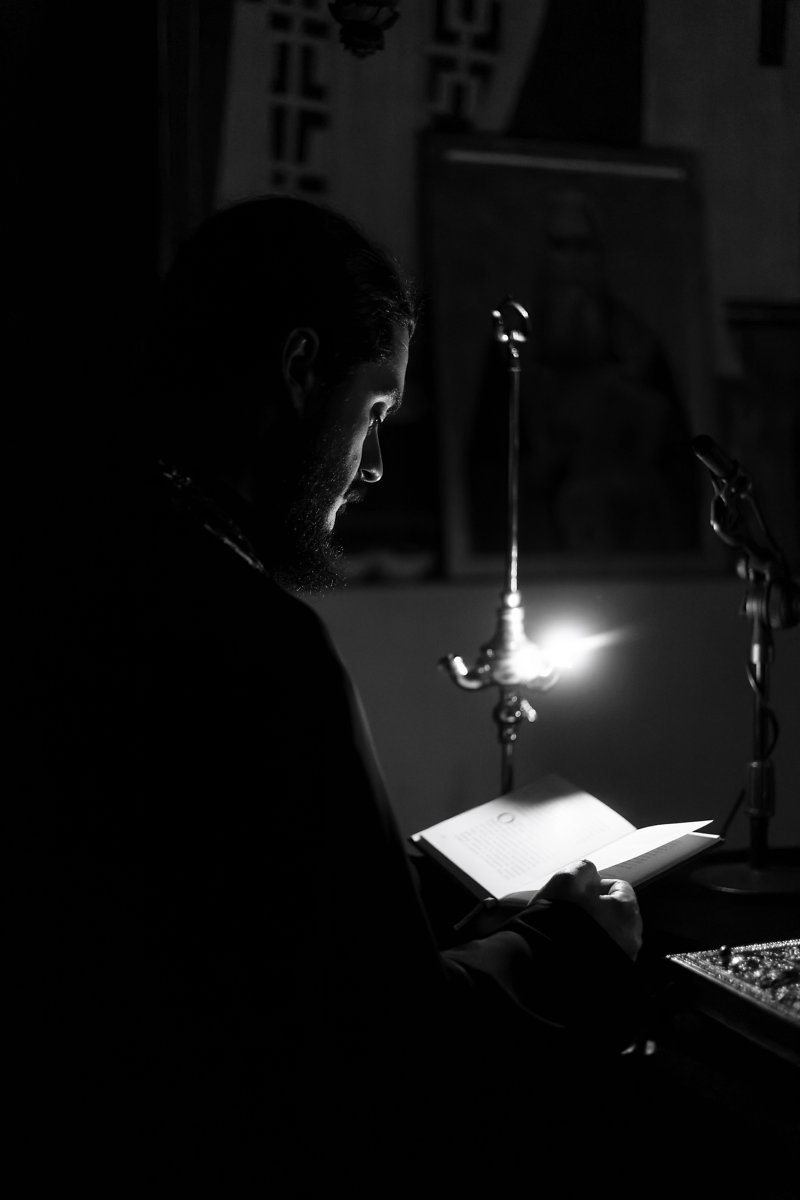
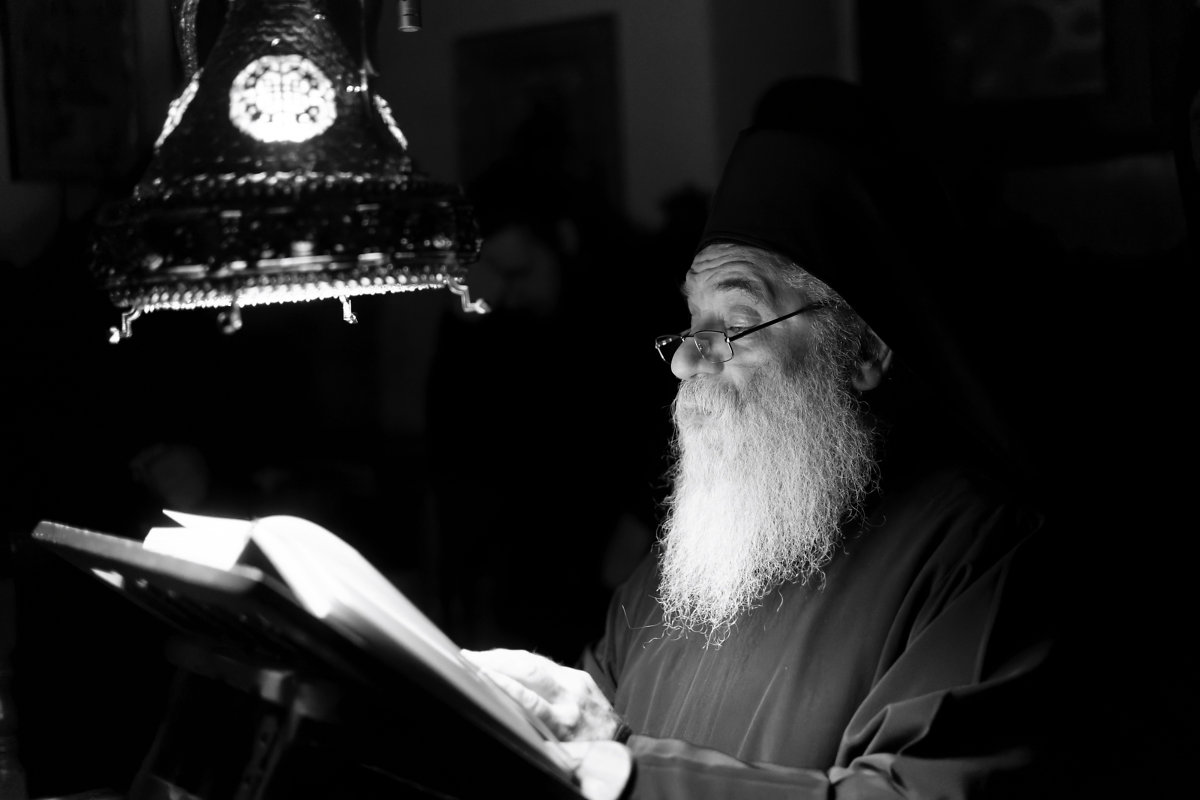
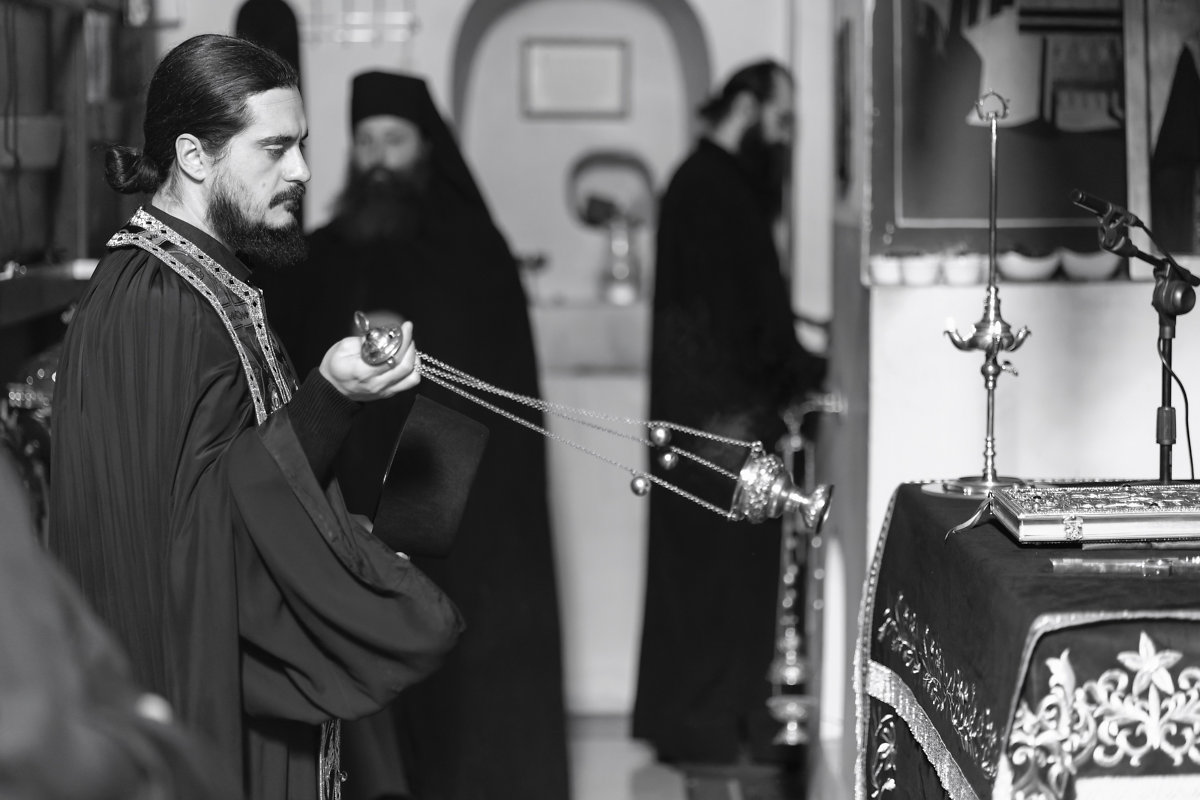
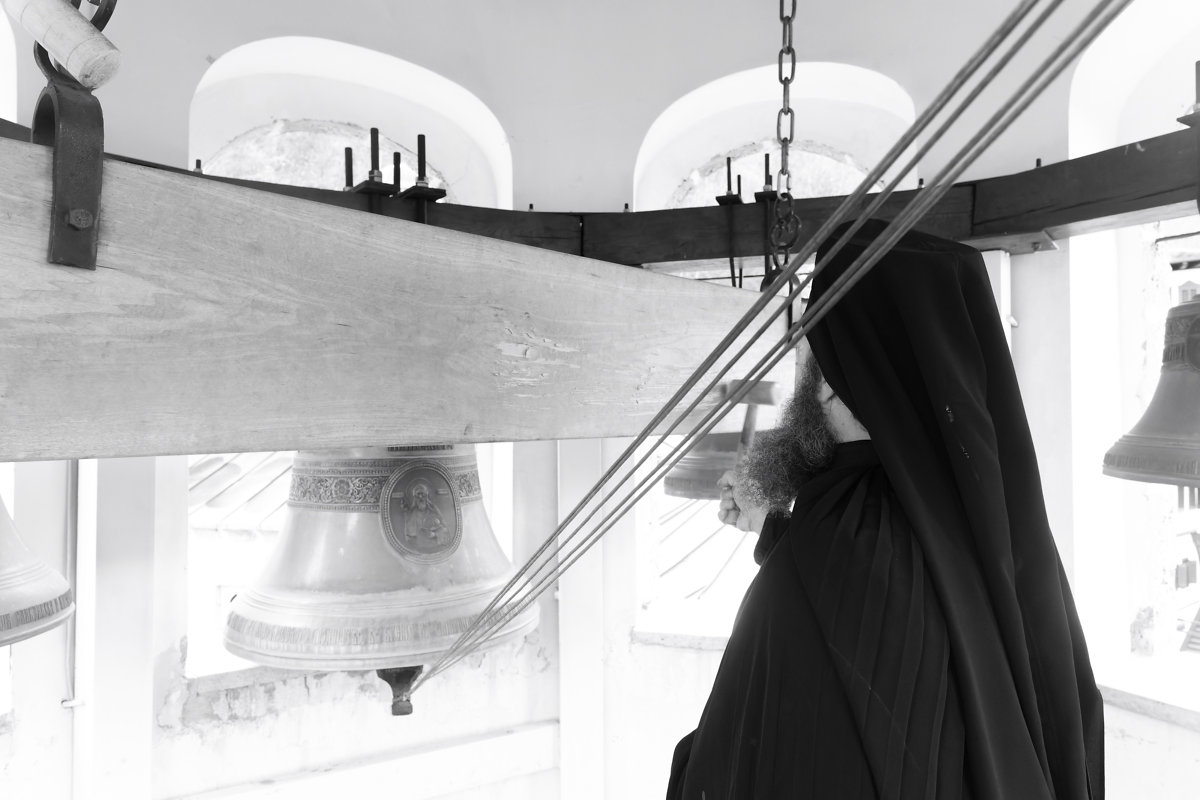
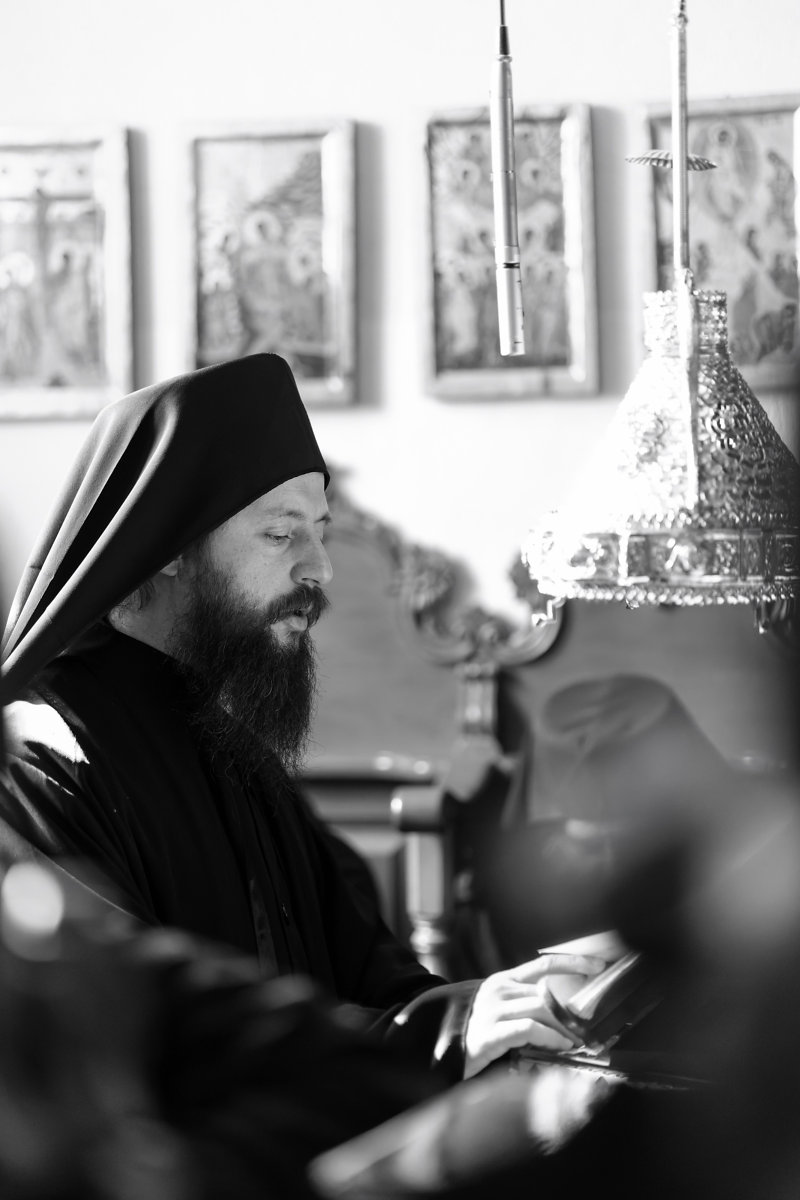
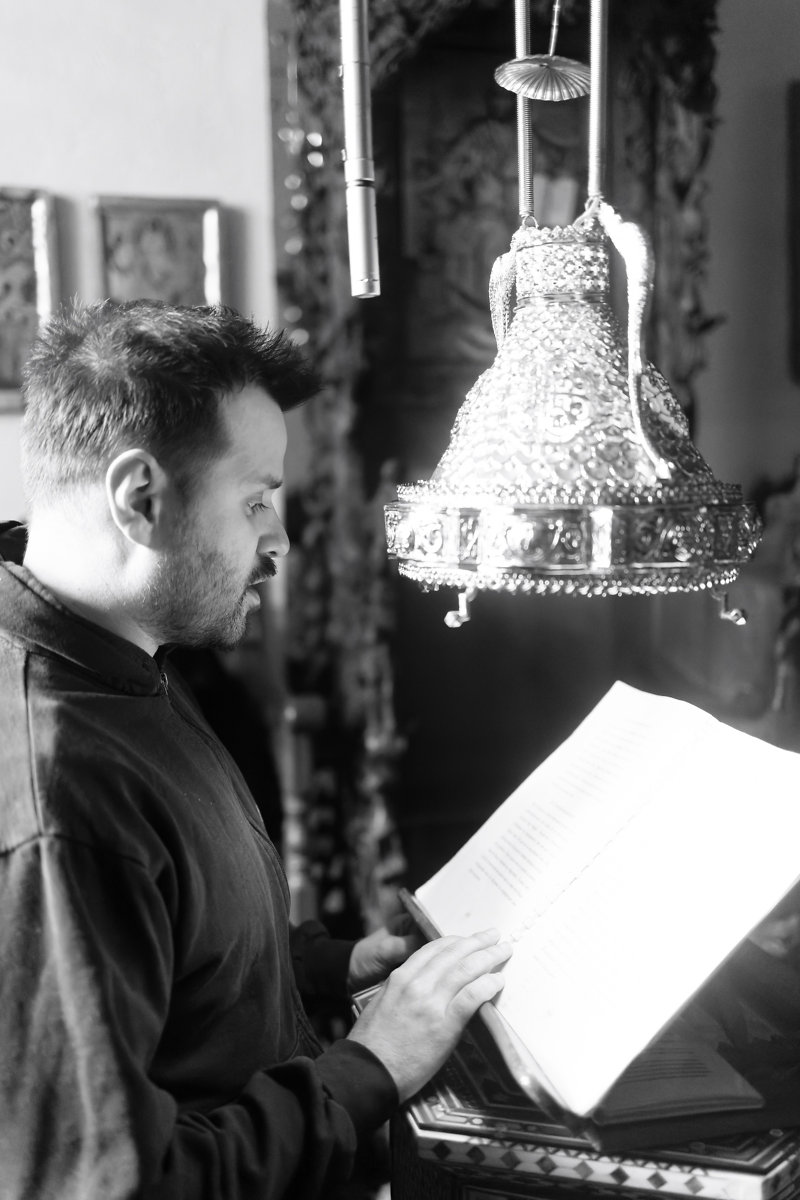
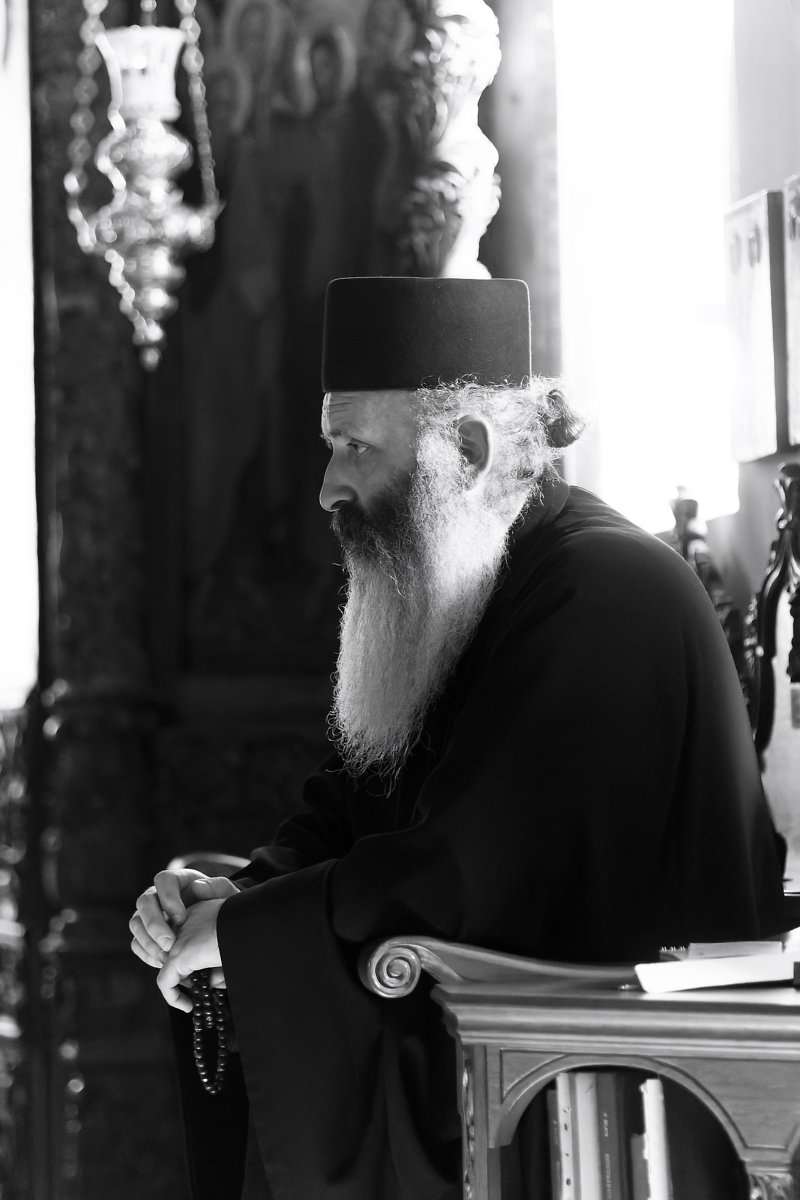
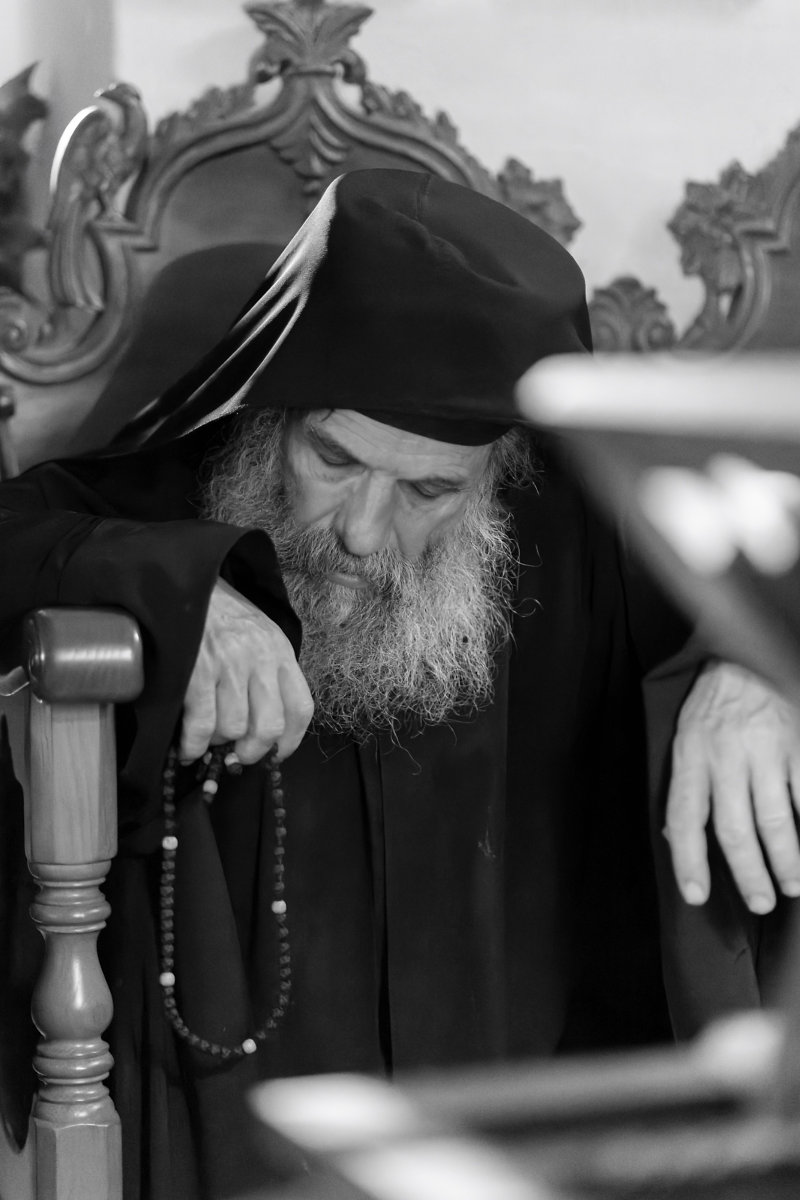
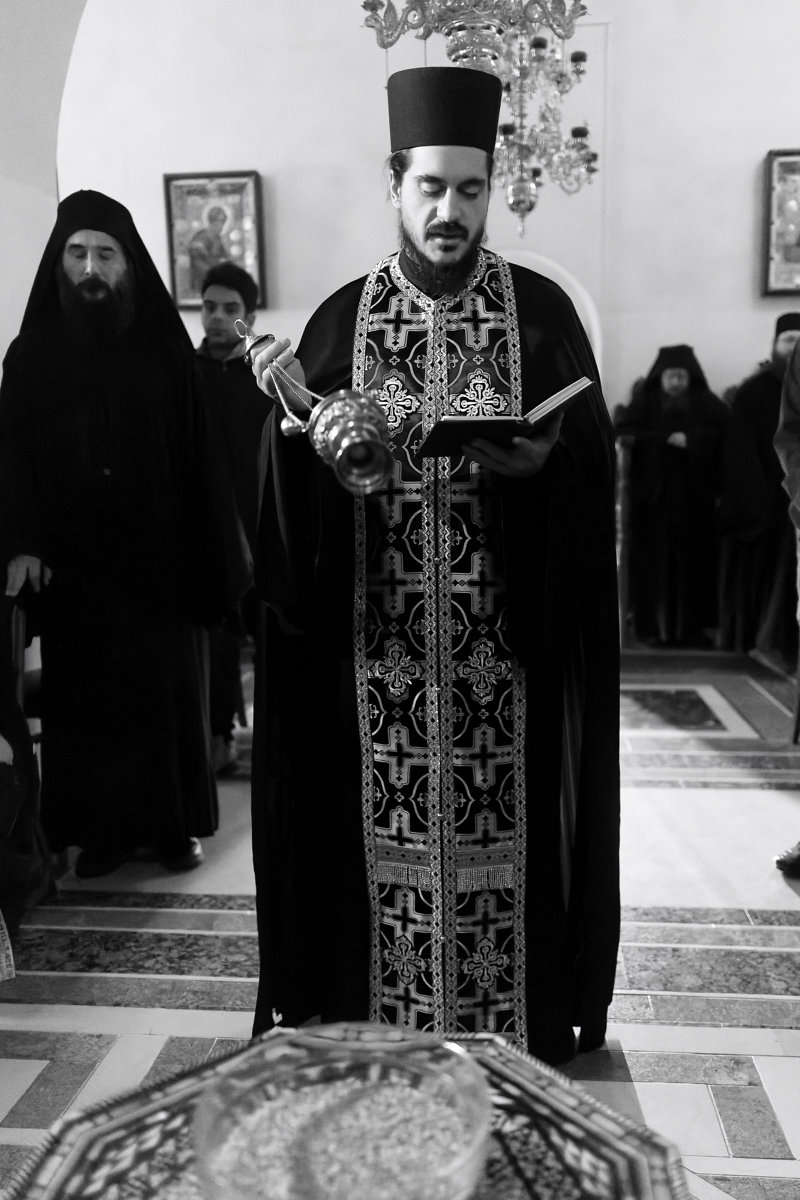
In Bigorski Monastery, the fourth day of Great Lent flows in the same rhythm of prayer and silence, yet with something different in the air – a sense of steadiness, endurance, and quiet joy that we are walking and not falling. The brethren guard silence, the hours pass between services and obediences, and the Canon at Matins fills the monastery walls with words flashing like lightning:
“Arise like lightning, O my soul, receiving the radiant beams of abstinence; flee from the darkness of sin, that through the divine Spirit the light of forgiveness may dawn upon thee.”
What a vision! Fasting is not darkening but illumination. It is not deprivation but reception. When hunger silences the clamorous demands of the body, the soul begins to see – and what it sees is light: the light of forgiveness, the light of dawn, the light of Christ who comes to us not as Judge, but as Morning after a long night.
In the hymnography of this day, the Apostles are more than historical figures of the Church. They are “the lyre of the Savior, played by the Spirit,” “the trumpets of the Spirit,” those who “prophetically drew the water of immortality from the fountain of the Savior, giving drink to the thirsty through the teachings of life.” And we, thirsty after four days of fasting, drink from that same water – through the services, through the readings, through the supplications, through the silence in which Holy Scripture resounds more clearly than at any other time of the year.
The Triodion again turns our gaze toward the Cross, which since Wednesday has remained ever-present in the Lenten hymnography. The stichera at Vespers reveal with striking force the mystery of the Cross and the Fast:
“Great are the wonders of the Cross! It firmly planted abstinence in the Church, and uprooted Adam’s lack of restraint in Paradise. One tree in Eden brought death to man, but another on Golgotha granted eternal life to the world.”
How magnificent this parallel! Two trees, two eatings, two outcomes. Adam ate and died. Christ “was affixed to the Tree like a vine” and filled the world with the wine of incorruption. And we, by fasting, pass from one tree to the other – from the tree of death to the Tree of Life.
Already on this fourth day, the hymnography shows us more clearly the end of the journey – Holy Pascha:
“Desiring to partake of the divine Pascha – not the Pascha of Egypt, but of Zion – let us renounce the drunkenness of sin through repentance! Let us gird our loins by mortifying the passions! Let us shod our feet with shoes that walk not in the way of deceit! Let us strengthen ourselves with the shield of faith!”
Pascha is already here, not as a date, but as a goal. And every day of fasting is a step toward it: the step of a warrior who arms himself not with a sword, but with faith; not with armor, but with repentance.
At the end of Matins, the Canon returns us to prayer in its simplest form – the prayer of one who is sinking:
“Cast into the abyss of sensual pleasures, I call upon the abyss of Thy tender mercies: O Helmsman, save me!”
The Helmsman is Christ Himself. And we, amid the storm of the Lenten voyage, are in His boat. The boat sails. And the Helmsman does not sleep.
“O Apostolic choir, guard those who sing your praises,” we pray in the katavasia, “and grant them to pass with contrite hearts through all the days of the light-bearing Fast.”
With contrite hearts and eyes fixed upon the stars. For the night of the Fast is not without light. The Apostles shine above us. And beyond them – the dawn of the Resurrection, which each day draws nearer.