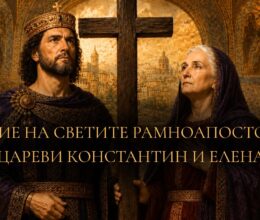
Today, the Queen of all cities lays down the crown of the earthly kingdom, offered to torment, the gift of Constantine is purified by fire, the City of the Mother of God, and from the hands of the Creator of ages, receives a radiant crown of eternal glory, the house of the saints and the beloved City.
(from the Service for the Fall of Constantinople)
In the sacred memory of the Church, the 29th of May is not merely the date of a historical event, nor simply the anniversary of the fall of a city, but a day of profound spiritual contemplation upon the mystery of suffering, faithfulness, and hope. For Constantinople, New Rome, the Queen of Cities, was not merely the capital of an empire, but the heart of a Christian civilization, an altar of the Orthodox Tradition, the seat of the Ecumenical Councils, a beacon of theology, art, and prayer. In its churches the Name of Christ was glorified with ineffable beauty; in its holy monasteries the ascetic struggle of the venerable saints came to maturity; in its palaces and streets unfolded the drama of a history that sought to transfigure the world by the power of the Gospel.

No other city, apart from holy Jerusalem, has borne within itself so deeply the seal of Christian history as Constantinople. If Jerusalem was the place of the Cross and the Resurrection, then Constantinople was the place where that saving truth received a radiant conciliar expression in the life of the Church and of the nations. From there the light of the Orthodox confession shone forth in every direction; from there the dogmatic definitions of the faith were shaped; from there spread the liturgical splendor that formed generations in the taste of the heavenly. Therefore, the remembrance of its fall is not merely sorrow for a lost empire, but a summons not to forget the fountain from which countless Christian peoples and cultures have been nourished.
The fall of Constantinople in 1453 marked the end of an earthly historical epoch, but not the end of its spiritual mission. The visible walls were conquered, yet the invisible foundations of its inheritance remained unshaken. Constantinople fell, but the idea of Constantinople did not fall; its light was not extinguished, nor was its influence upon the life of the Church brought to an end. For the spirit of Romiosyne—that grace-filled and transfigured union of faith, wisdom, worship, and culture—continued to live in all those peoples who drank from the Byzantine spiritual treasury. And today, when the world increasingly forgets its sacred sources, Christians must not forget New Rome, which for more than eleven centuries was the capital of Christendom and of a civilization shaped by the Cross and the Resurrection.
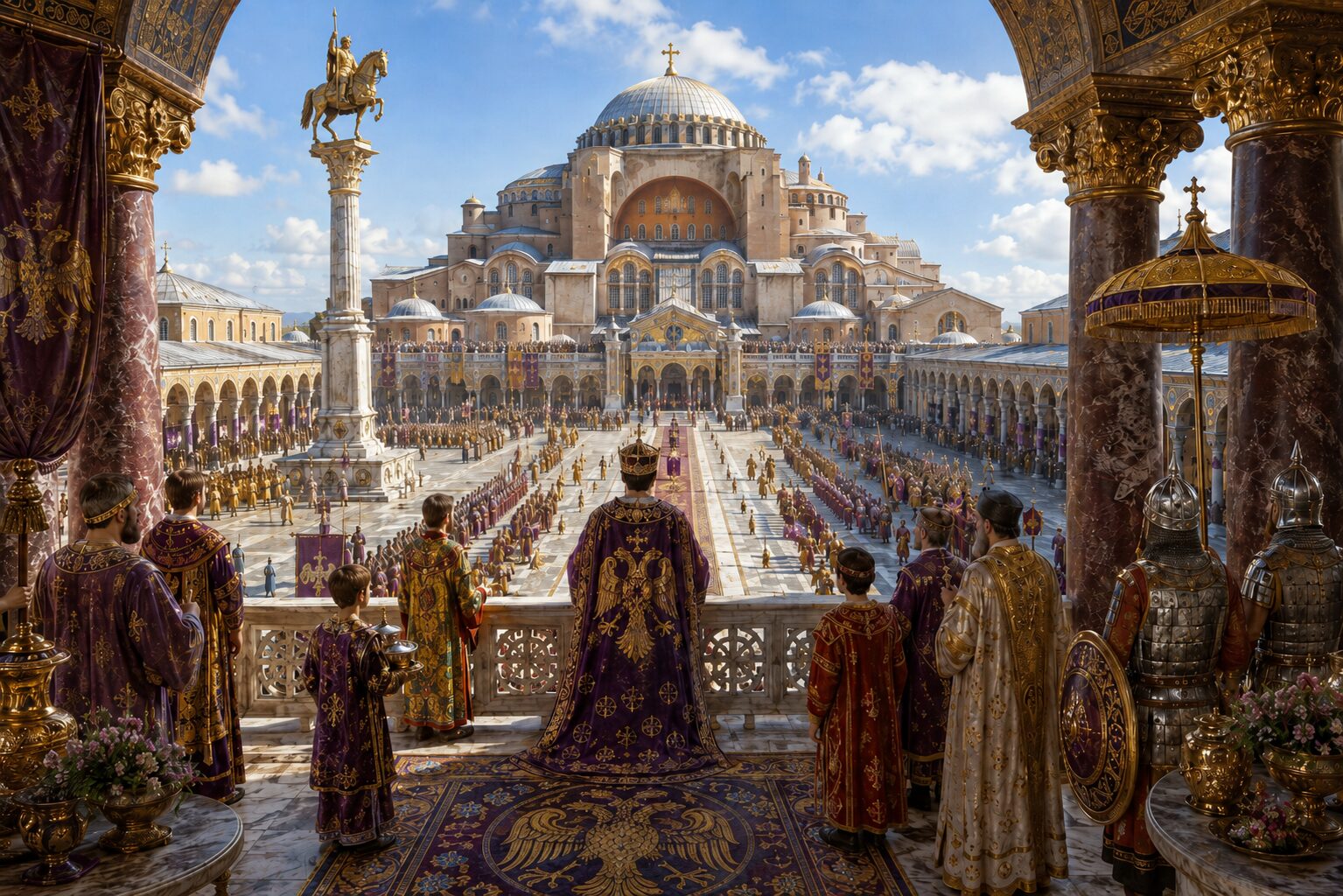
We Orthodox, in particular, are called with gratitude and reverence to preserve the memory of Constantinople, for it is not merely a historical capital; it is a living center of the conciliar consciousness of the Church. Today, through the luminous and humble witness of the First-Throned Ecumenical Patriarchate, Constantinople continues to be the Mother of Orthodoxy, the first-throned center which, with quiet yet unwavering strength, bears witness to the unbroken continuity of the apostolic and patristic Tradition. In her and through her, New Rome remains even today the spiritual axis of the Orthodox oikumene, reminding us that the true glory of the Church is not found in earthly dominion, but in faithfulness to Christ, in the unity of the faith, and in grace-filled service to all.
Therefore, as we commemorate today the fall of Constantinople, we do not surrender ourselves to historical hopelessness, but renew our responsibility toward the inheritance that has been handed down to us. We pray for the repose of all those who laid down their lives upon its walls, defending the holy things and the Orthodox faith; and we pray that we too may remain worthy children of that sacred Tradition, faithful to the Mother Church and to unity in the truth. For cities may be conquered, churches may be profaned, empires may disappear, but that which has been sealed by grace, by the blood of the martyrs, and by the tears of the saints remains eternal.
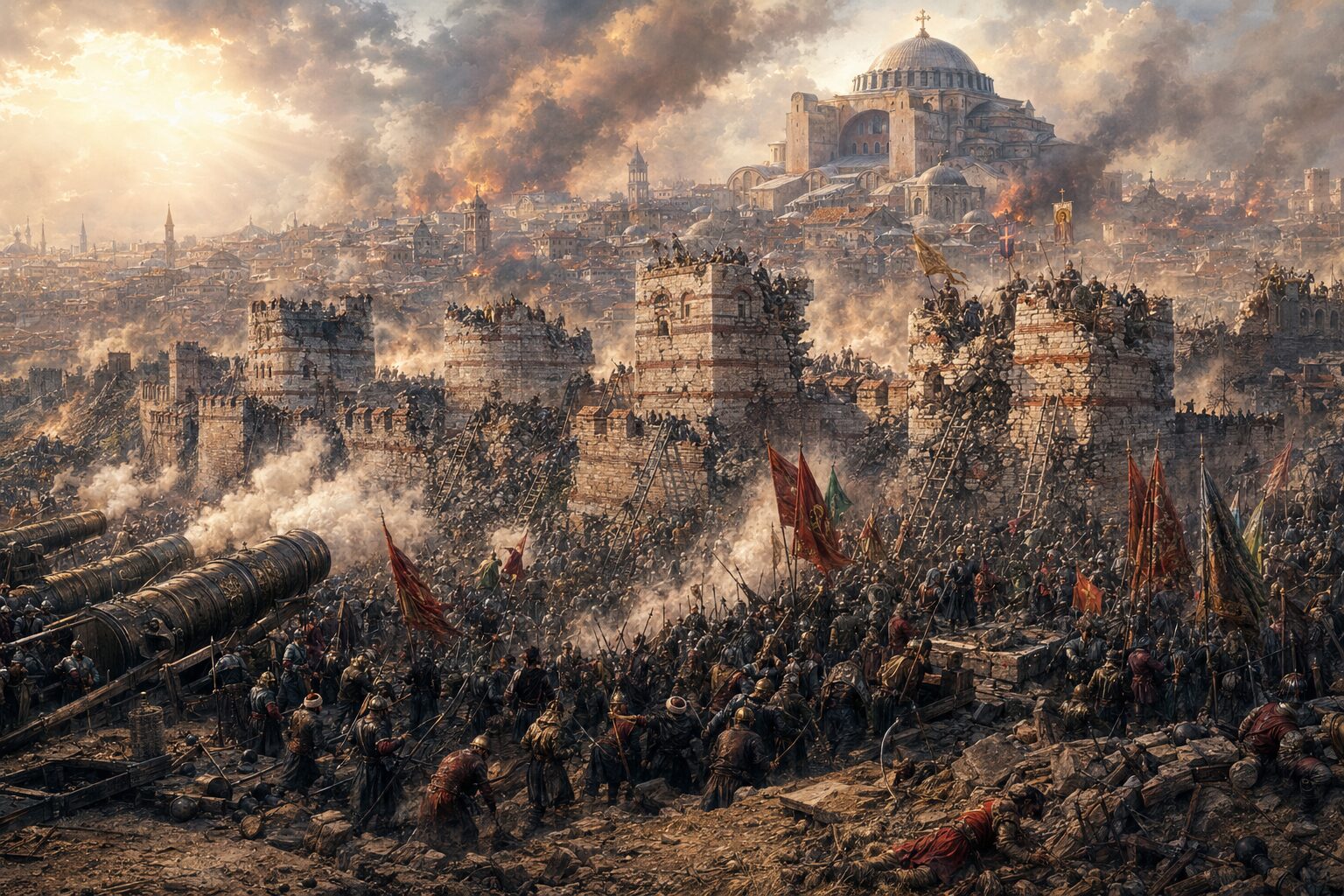
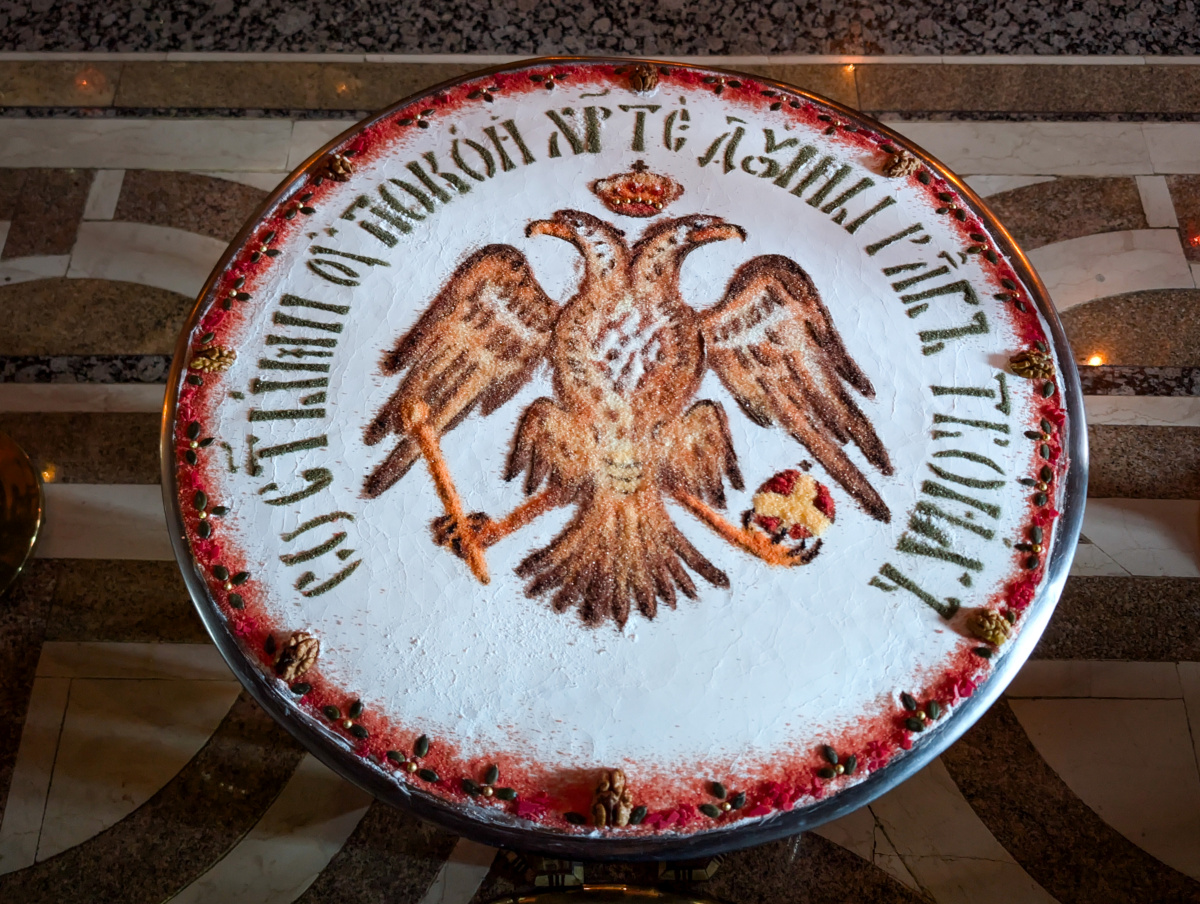
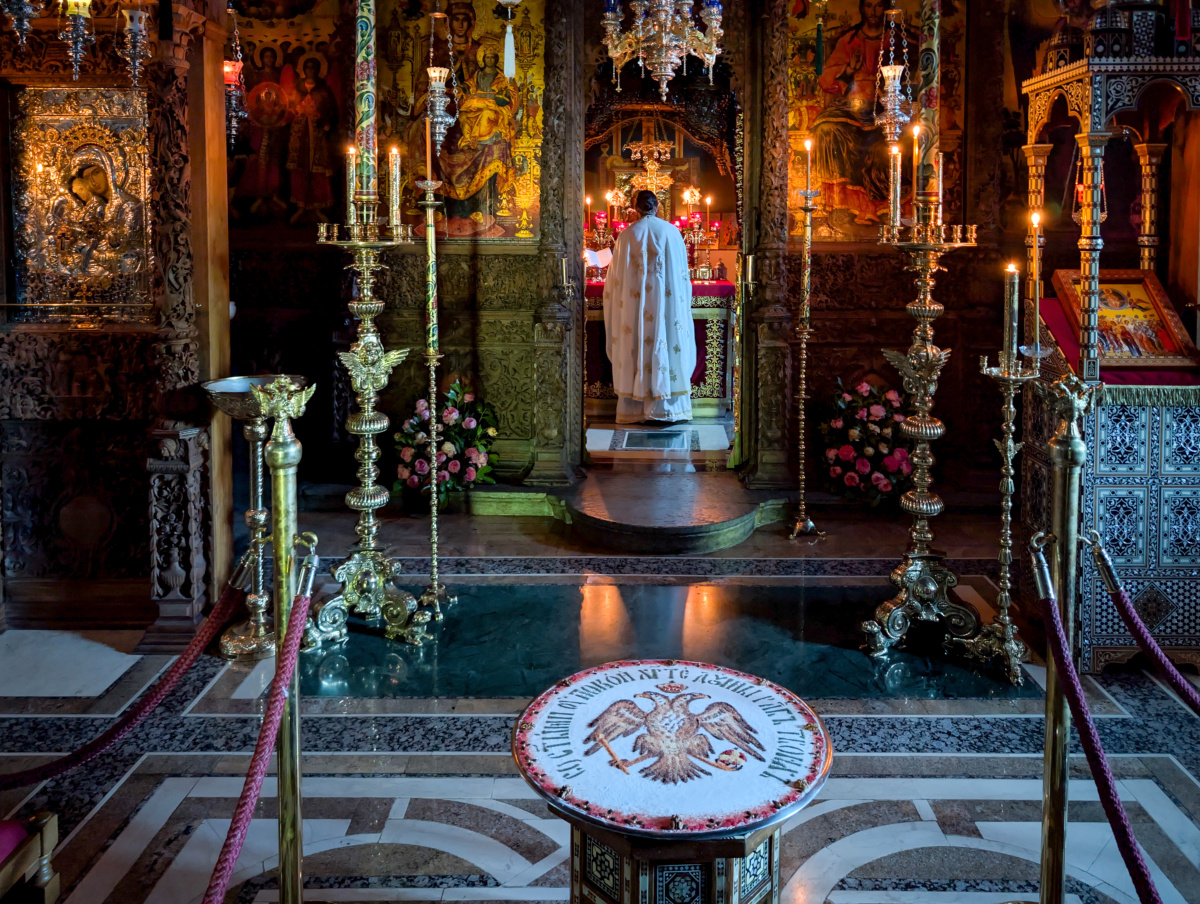
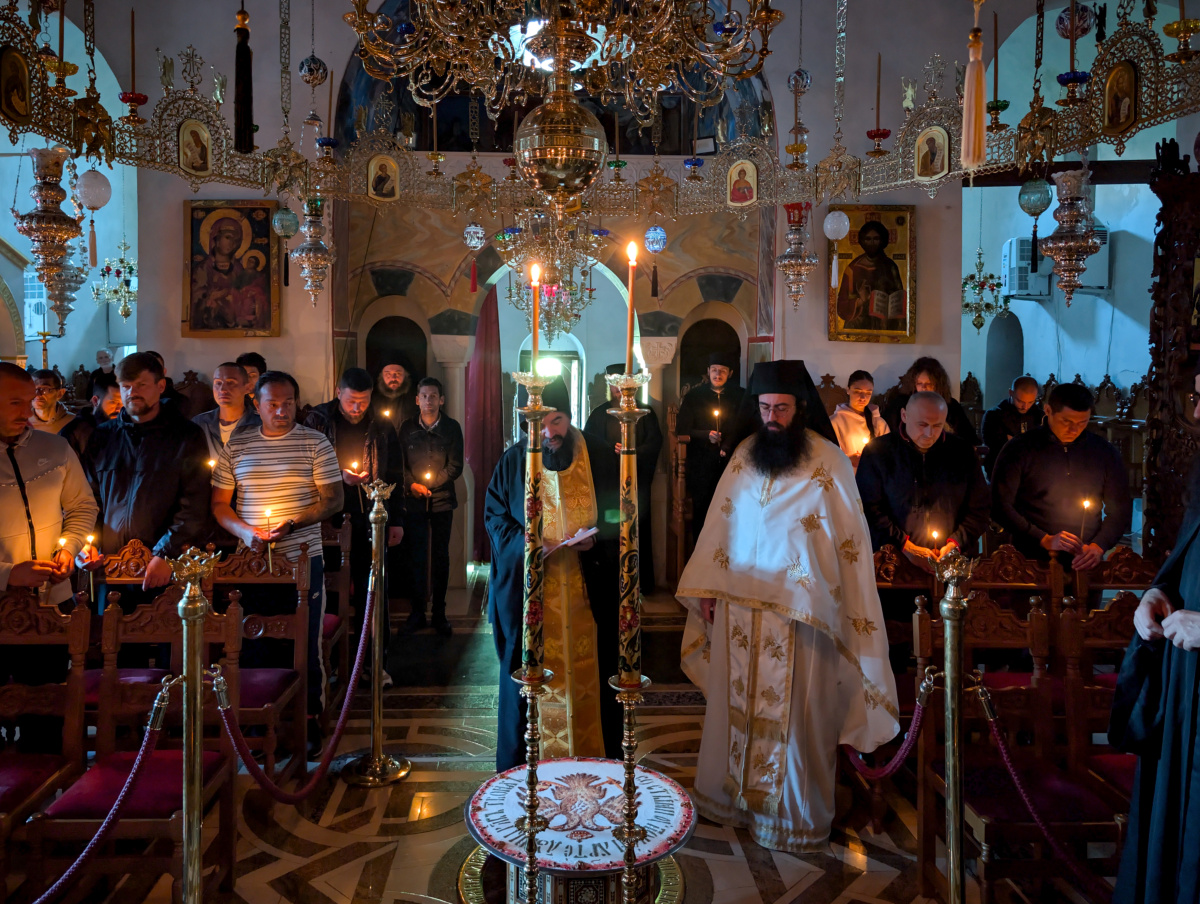
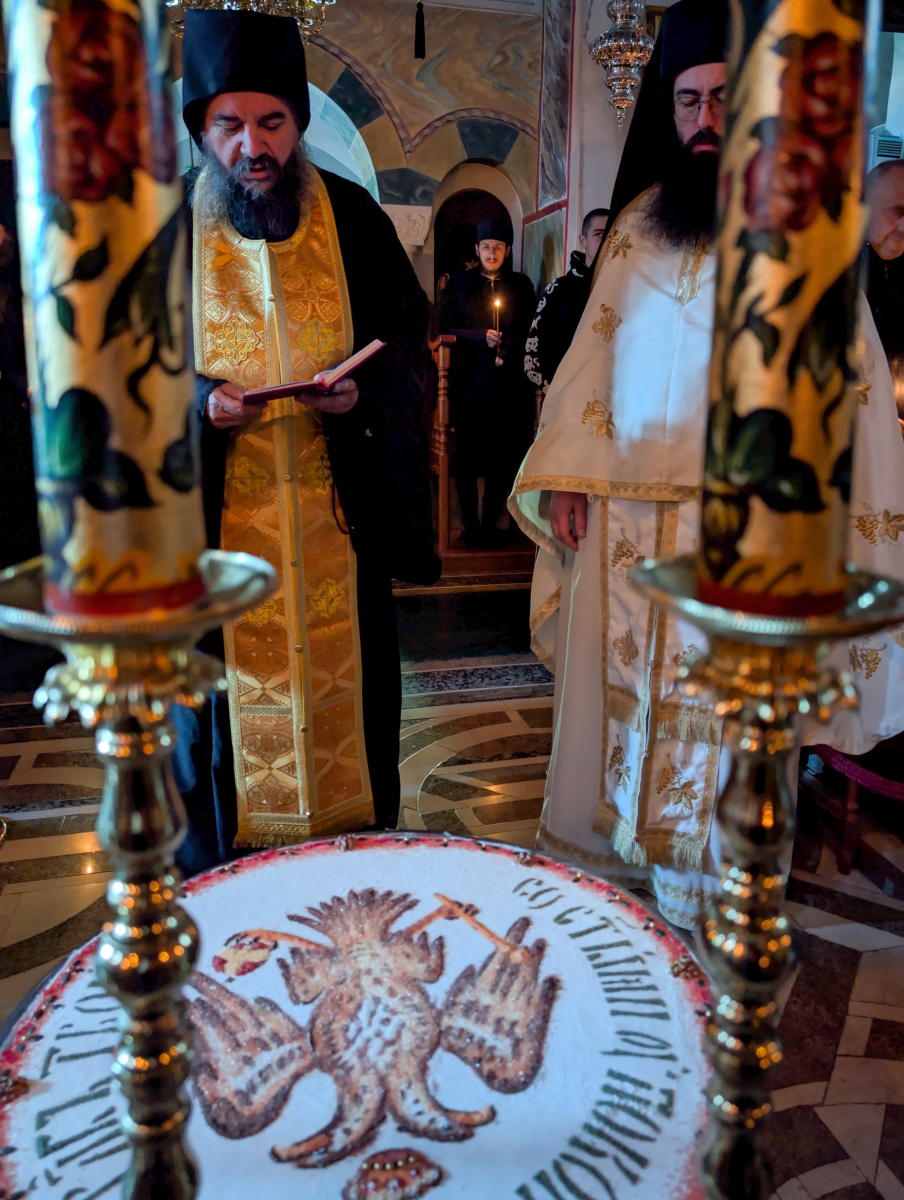
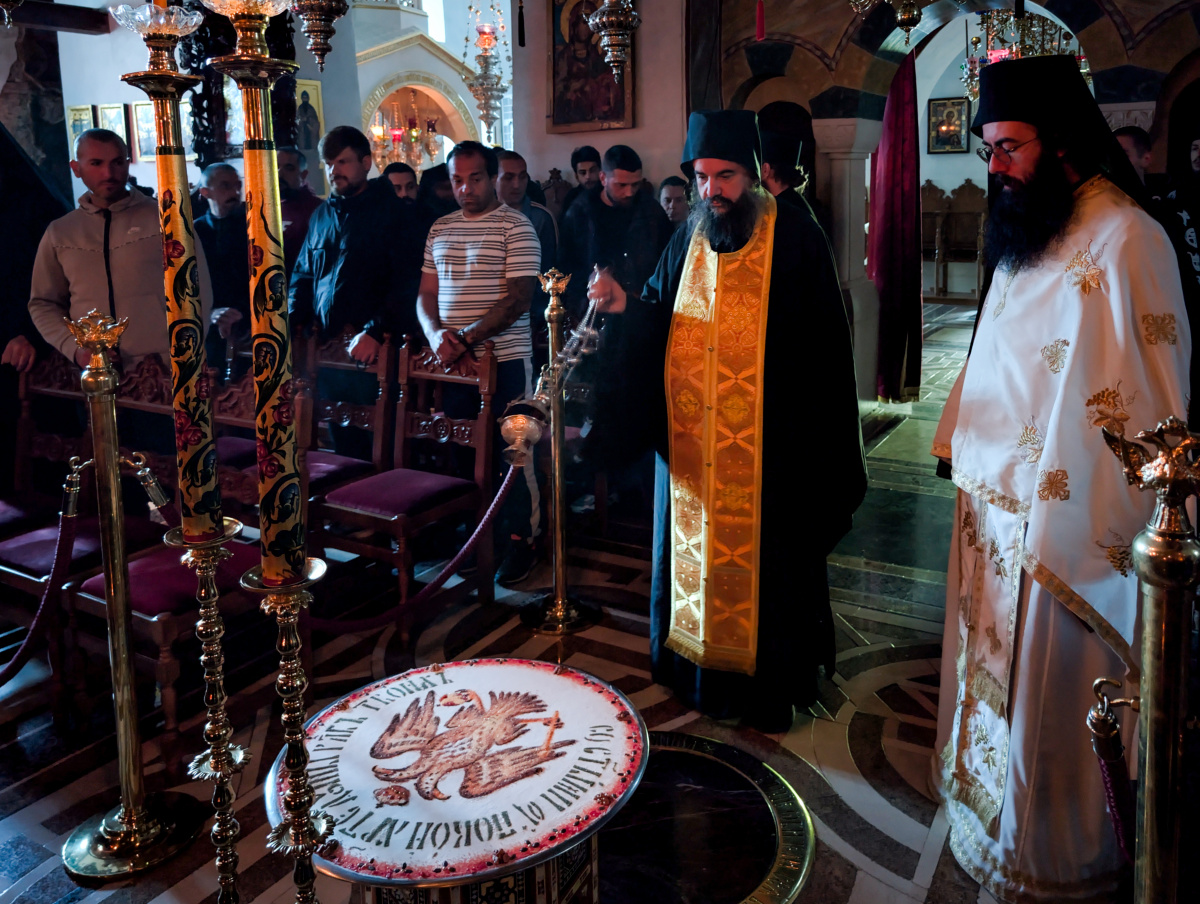
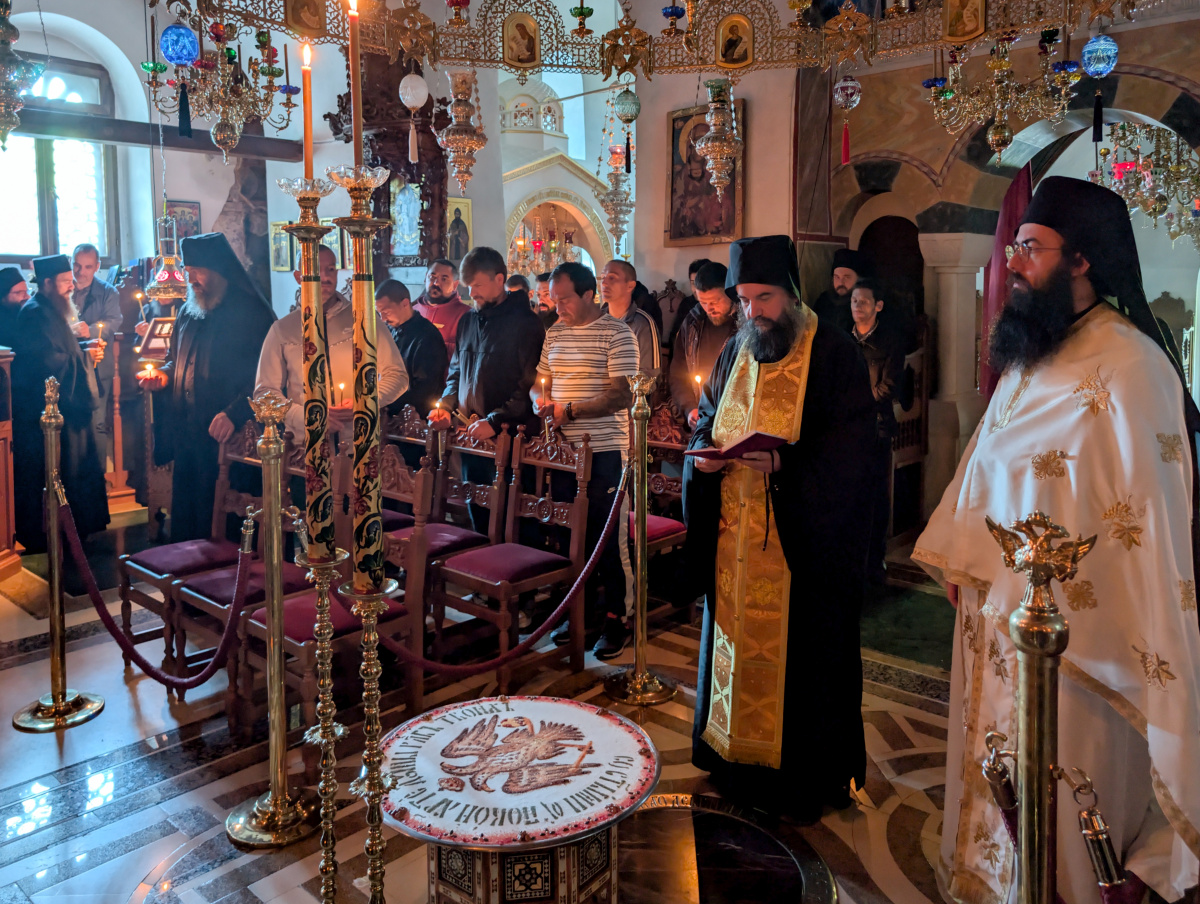
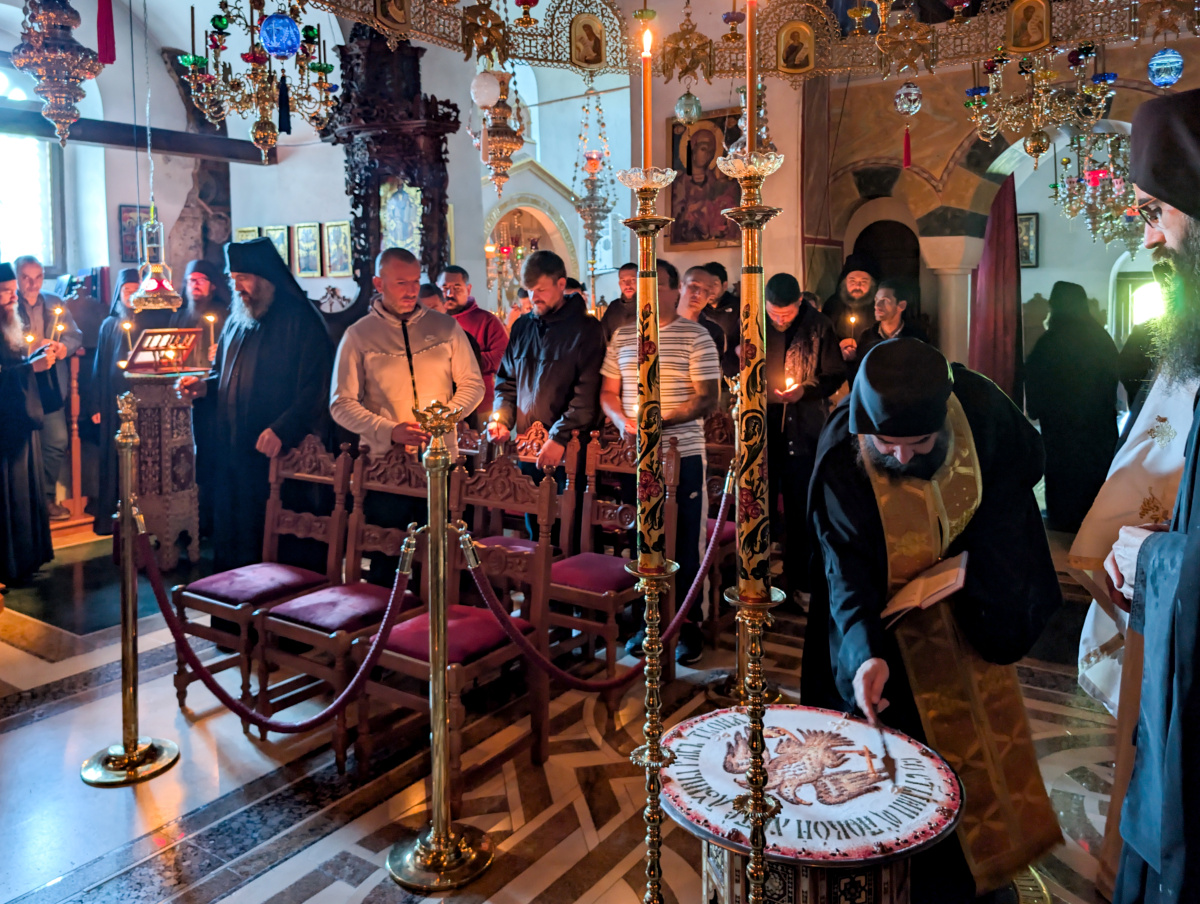
In this sacred and grateful memory lives also our Holy Bigorski Monastery. Each year, with the blessing of our beloved Elder, His Grace Bishop Partenij of Antania, the brotherhood prayerfully commemorates all those who fell upon the ramparts of Constantinople and of the Orthodox faith: the defenders of the holy things, of the Queen of Cities, and of the Tradition which belongs not only to the past, but also to the living conscience of the Church. In one of his spiritual reflections on New Rome, our Elder says, with particular pain, yet also with unwavering hope:
“Indeed, we Orthodox must never forget the city of Constantinople, the city of our Most Holy Lady Theotokos, the city of countless Saints, where the redemptive faith was affirmed and from which Orthodoxy shone forth towards many nations and regions. That Divine Providence arranged this centre of universal Orthodoxy and that God’s grace maintains and cares for it, is confirmed by the very fact that to this day, the Mother Church, the Ecumenical Patriarchate lives there. Faced with attempts for demeaning it and taking away its glorious seats, first and foremost the magnificent Hagia Sophia, it was finally, not without God’s knowledge and providence, moved to the district known as Phanar, from where it humbly continues to shine its light to all in spirit and truth. The Mother of God has not forgotten her imperial city; the Saints have not forgotten the city of the Ecumenical Councils, but even today protect their heritage in it and call us, their children, all Orthodox, to unite around the first Throne of the faith and civilization of ours. To honour and support it, thereby gaining the blessing from the heavenly city of Saints. Unity in the faith of the Gospel and in the tradition of the Fathers is one of the aspects of conciliarity, I would say – its quality, but also a condition. Only he who gathers, who strives to bring the estranged and separated back into Christ’s flock, only he who heals wounds according to the remedies prescribed by the Fathers of the Church – he is the one who builds, renews, and unites. He performs the works of light, which simultaneously reveal the works of darkness, standing opposite. Today, trying with my modest abilities to discern the events in the world and in the Church, I wonder – has the nature of the Christian changed, losing Christ? Have we lost empathy, the need for the common collective and the individual need of every brother when in suffering? Do we use the opportunity, when someone is burdened by the yoke of temptation, to fulfil some of our desires and ideas, which are passionate, power-loving, and vanity-like? However, Lord never allow us to be without hope, but calls us to endure to the end, for ours is to “stand firm, to stand with fear, to be attentive,” and He supplements weaknesses and establishes justice.”
May the memory of all the defenders of the Queen of Cities be eternal; and may the Lord grant us never to forget New Rome, its sacred mission, and its unceasing maternal presence in the life of Orthodoxy. Amen.
Below, should you wish to hear how the divine services in Hagia Sophia of Constantinople may have sounded, please click on the following link:
Audio document: What it might have sounded like to be inside Hagia Sophia 1,500 years ago.
3D animation of reconstructed Constantinople (click on the link)